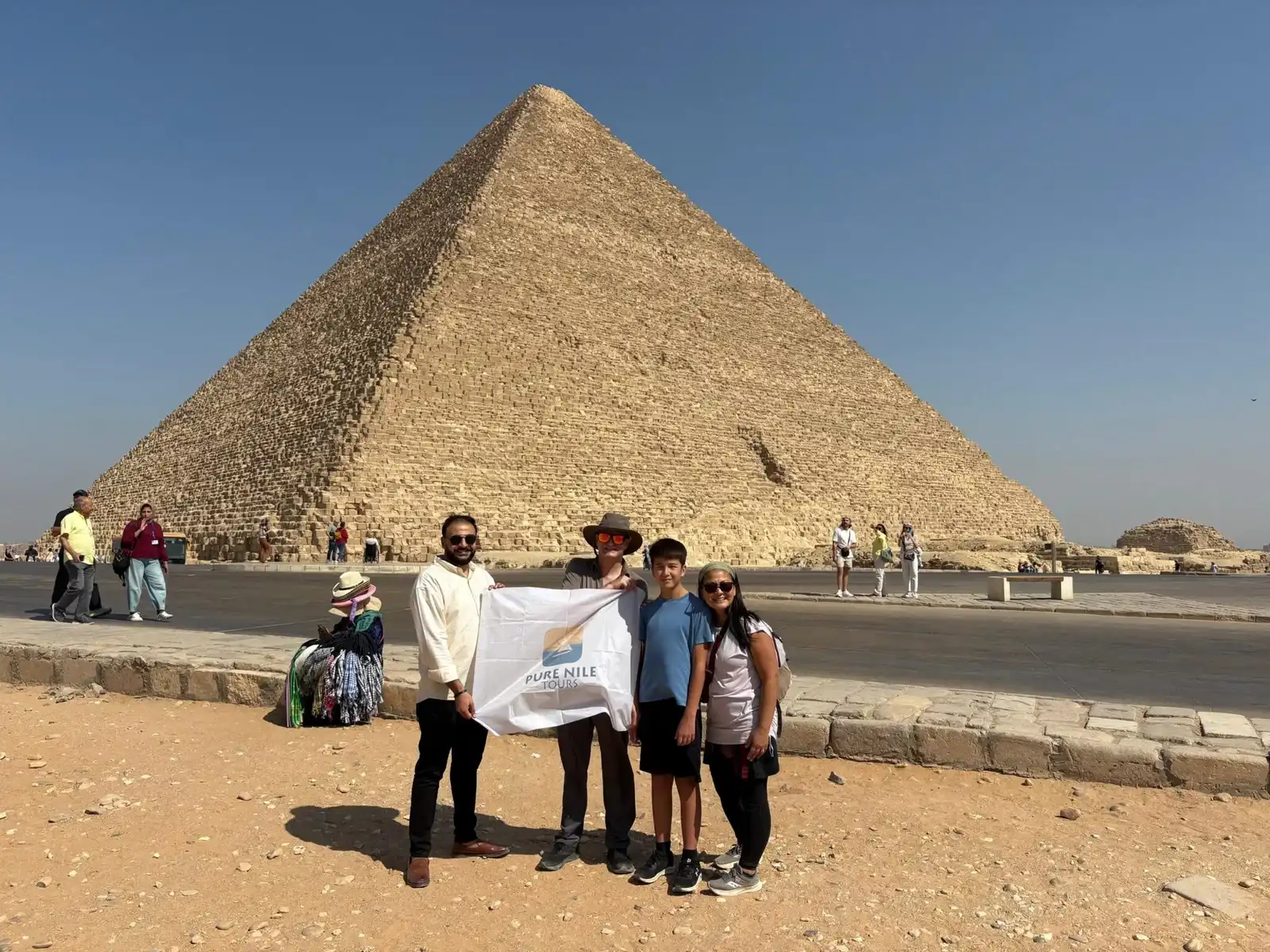
Egypt at a Glance (2026)
Egypt is easiest when it’s planned around the “tourist corridor”: Cairo & Giza → Luxor & Aswan → Red Sea (optional).
Quick, reassuring snapshot
- Ideal first trip length: 7–10 days (enough for Cairo/Giza + Luxor + Aswan or a Nile cruise)
- Best seasons (comfort + sightseeing): October to April (cooler days, especially for Cairo/Giza and Luxor)
- Daily budget ranges (per person, excluding international flights): see table below (prices vary by season and exchange rate)
- Key tourist bases (neighborhood-style):
- Cairo: Zamalek, Downtown, Garden City, Maadi, New Cairo
- Giza (for pyramid proximity): around Giza plateau access areas + convenient Cairo neighborhoods
- Luxor: East Bank (near main hotels/restaurants), West Bank (quieter, scenic)
- Aswan: Corniche/riverfront areas, near central Aswan
- Red Sea: resort zones in Hurghada, El Gouna, Makadi Bay, Sharm El Sheikh, Nabq Bay, Naama Bay, Marsa Alam
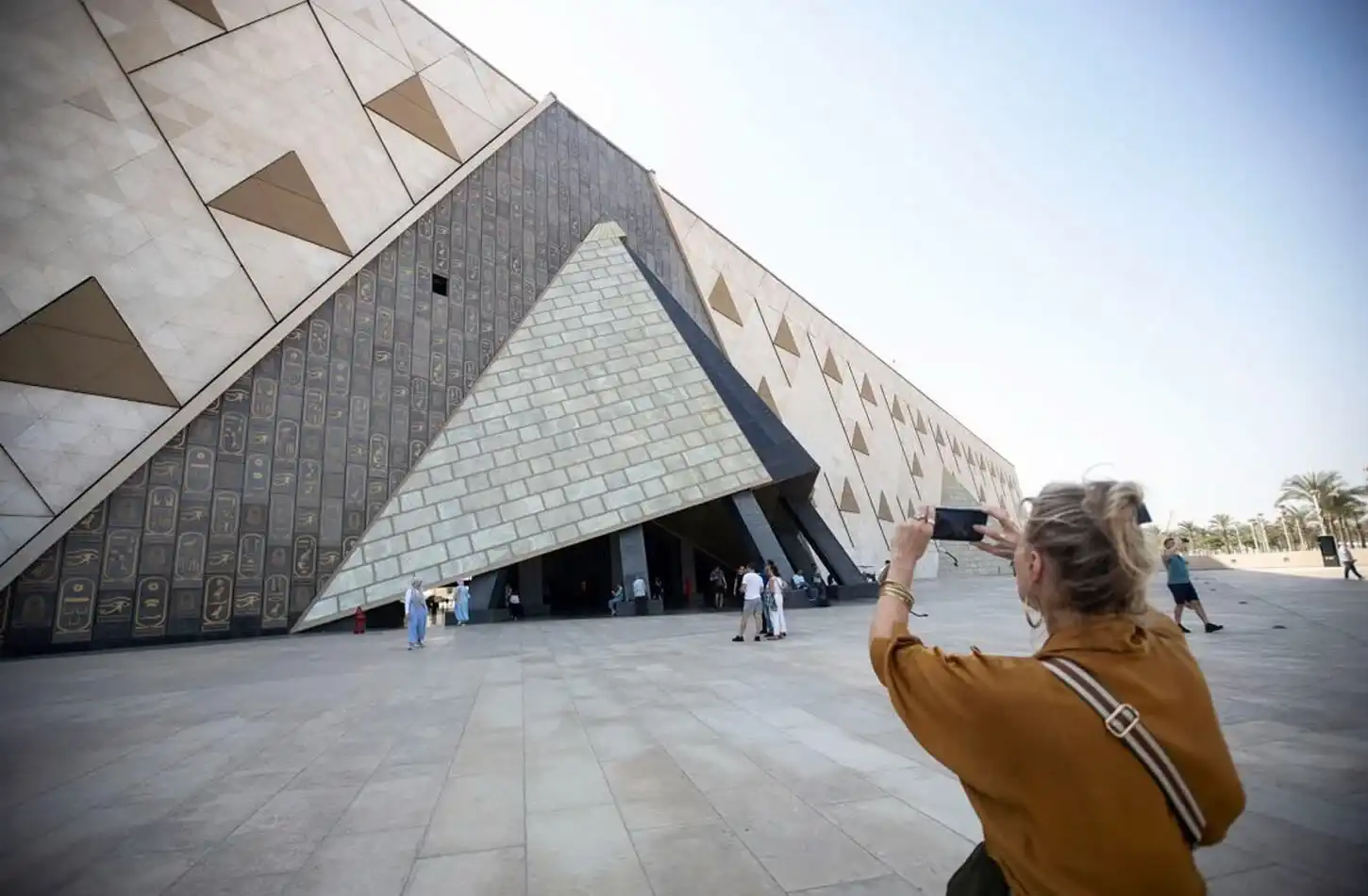
- Top highlights (first-timers): Pyramids of Giza, Egyptian Museum/Grand Egyptian Museum area, Karnak & Luxor Temple, Valley of the Kings, Philae Temple, a Nile cruise or felucca ride, Red Sea snorkeling/diving
| Travel style | Typical daily budget (USD, approx.) | What that usually covers |
|---|---|---|
| Budget | $40–$80 | Simple hotels/guesthouses, local meals, metro/Uber, shared tours |
| Mid-range | $90–$180 | Comfortable hotels, a few guided days, domestic flights or sleeper/train options, private transfers sometimes |
| Luxury | $220+ | Higher-end hotels/resorts, private guides/drivers, premium Nile cruise cabins |
These are general planning ranges. Costs can change quickly, and peak periods (winter holidays, spring) are higher.
Is Egypt Safe for Tourists in 2026?
Is Egypt safe for tourists in 2026? The short answer is yes — for most visitors, Egypt’s main tourist destinations are operating normally and are considered generally safe when you travel smartly and stay within the usual tourist areas. Millions of travelers keep choosing Egypt for city breaks, culture trips, Nile cruises, and beach holidays.
What travel advisories really mean for tourists
When people search “is it safe to travel to Egypt right now” or look up an Egypt travel advisory, the biggest confusion is this:
- Advisories often highlight specific regions (border zones, remote desert areas) that are not part of normal tourist itineraries.
- At the same time, they may say “be cautious” countrywide — language that is common for many destinations worldwide.
At the time of writing, the U.S. State Department lists Egypt as Level 2: Exercise Increased Caution, and also clearly identifies certain areas where it advises against travel (including Northern & Middle Sinai and certain border/desert areas).
The UK’s travel advice also notes that most visits are trouble-free and that approximately one million British people travel to Egypt each year, while still listing specific areas where the UK advises against travel or against non-essential travel.
Canada and Australia use similar structures: a general caution level plus regional advisories for areas tourists typically do not visit on standard trips.
What is the Egypt travel advisory level for 2026?
The U.S. State Department currently lists Egypt at Level 2: Exercise Increased Caution. Importantly, Level 2 is a general countrywide caution — it does not mean avoid Egypt. The same advisory separately identifies specific areas where it advises Do Not Travel, including Northern and Middle Sinai and certain border and desert zones. None of these flagged areas overlap with standard tourist itineraries.
The UK uses a similar structure: a general caution with specific regional warnings for areas tourists do not visit, while noting that around one million British people travel to Egypt each year with most visits trouble-free. Canada and Australia follow the same pattern. The practical takeaway is to read the regional section of your government’s advisory, not just the headline level — the two can tell very different stories.
Is it safe to travel to Egypt right now given the security situation?
Yes — at the time of writing, Egypt’s main tourist areas are operating normally and continue to welcome millions of international visitors. The key distinction most travelers miss is that travel advisories address Egypt as a whole country, including border zones and remote desert areas that tourists never visit on a standard itinerary.
The standard tourist circuit — Cairo, Giza, Luxor, Aswan, and the Red Sea resorts — sits well away from any sensitive areas flagged in official advisories. The “security situation” most advisories reference relates specifically to areas near the Gaza border in northern Sinai and certain stretches of the western and southern desert borders — none of which appear on any normal tourist route. If you are planning a classic Egypt trip, the practical answer is yes, it is safe to travel to Egypt right now, provided you follow your government’s guidance and stay within the standard tourist route.
Why tourist areas feel structured
Egypt has a long tourism history and a very organized travel system:
- Major sites have controlled entrances, ticketing, and visible security presence.
- Red Sea resort areas are designed for tourism (hotels, transfers, excursions, airport links).
- Many visitors use guides for a smoother experience — especially in Cairo/Giza and Luxor.
This structure is a big reason why first-time visitors often say Egypt feels “busy, but managed” in the places tourists actually go.
Is Egypt Affected by Conflict in the Middle East?
This is one of the most searched concerns, and it deserves a clear, calm explanation.
Is Egypt safe because of the Middle East conflict?
Egypt is part of the Middle East region geographically and politically, but Egypt’s main tourist destinations are not located in active conflict zones. The classic tourist route — Cairo/Giza, Luxor, Aswan, and the Red Sea resorts — sits well away from border areas where conditions can be more sensitive.
Is Egypt affected by the war in the Middle East?
Indirectly, sometimes — mostly through headlines, traveler anxiety, and occasional flight routing changes across the region. But that does not automatically mean tourist areas inside Egypt are unsafe or closed.
The most practical way to think about this is “distance + routing“:
- Border regions (for example, near Gaza/Israel or certain stretches near Libya/Sudan) can have tighter controls and may be subject to sudden restrictions.
- Tourist cities (Cairo, Luxor, Aswan) and Red Sea resorts are on the standard tourism track and generally operate normally.
Canada’s travel advice, for example, explicitly links regional tensions to the possibility that the security situation in neighboring Sinai could change suddenly, which is why advisories often separate Sinai/border guidance from the rest of Egypt.
Is Egypt safe from terrorism or political unrest in 2026?
Egypt’s tourist areas have not experienced significant terrorism-related incidents in recent years, and the country’s security presence at major sites and in resort zones is visible and routine. Political demonstrations occasionally occur in Egypt but are typically not in tourist areas, and authorities generally move quickly to manage public gatherings.
The areas flagged in travel advisories for elevated risk — primarily northern Sinai and some border regions — are kept separate in all major government advisories from the tourist route because they represent a genuinely different security environment. Most visitors to Cairo, Luxor, Aswan, and the Red Sea complete their trips without encountering any security incidents. The practical advice: follow your government’s guidance, register your trip with your embassy if your country offers this service, and stay aware of local news in the days around your trip.
Flights and airspace: what travelers should know
Worry about “are flights to Egypt safe” is understandable — especially when regional news is loud.
At the time of writing, official U.S. Embassy messaging states that Egyptian airspace remains open and commercial airports are operational, while also noting travelers could see changes or cancellations depending on nearby airspace restrictions and airline decisions.
The calm, practical takeaway:
- Yes, Egypt is reachable by air in normal circumstances.
- Always check your airline (and your departure airport) for real-time route changes.
- Keep a little flexibility in your schedule — especially if you are connecting through hubs in the wider region.
Which Parts of Egypt Are Popular and Safe for Tourists?
Tourists overwhelmingly concentrate in a handful of regions that have strong tourism infrastructure.
Here is a practical overview of the most common places visitors go — and what “normal” tourism looks like in each.
| Destination | Why tourists go | General safety feel for tourists | Best for |
|---|---|---|---|
| Cairo | Museums, bazaars, day trips, city energy | Big-city rules: busy areas are fine; use smart transport | Culture + first impressions |
| Giza | Pyramids + Sphinx | Very tourist-focused; expect vendors | Bucket-list landmarks |
| Luxor | Temples + Valley of the Kings | Tourism is central to the city’s rhythm | Ancient Egypt deep dive |
| Aswan | Nile scenery, temples, calm vibe | Often feels slower-paced than Cairo | Relaxed culture + river |
| Hurghada | Beach resorts + diving/snorkeling | Resort zones are structured and tourism-oriented | Families + beach time |
| Sharm El Sheikh | Resorts + diving, Sinai scenery | Resort areas have visible security routines | Couples + resort stays |
| Marsa Alam | Quieter Red Sea, reefs | More remote, very resort-based | Diving + “switch off” |
| Nile Cruises | Convenient way to link Luxor–Aswan sites | Controlled experience with guided shore visits | Easy logistics + comfort |
The simplest “safe tourist route” for first-timers
If your main question is “is Egypt safe for first time visitors?”, the easiest plan is:
- Cairo + Giza (3–4 days)
- Fly to Luxor (1 hour) and either:
- Cruise to Aswan (3–4 nights), or
- Base in Luxor/Aswan and day tour
- Optional: 3–5 nights in a Red Sea resort (Hurghada, Sharm, or Marsa Alam)
This route keeps you in areas built for tourism, with the most reliable transport and services.
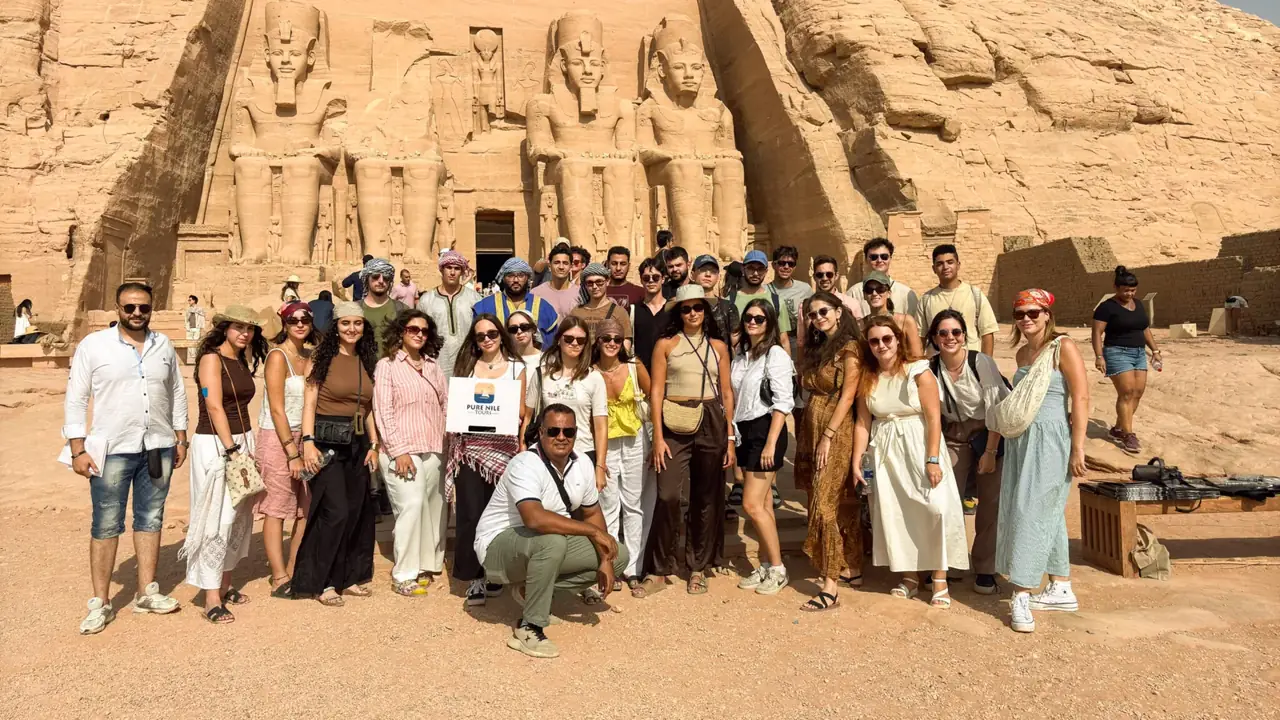
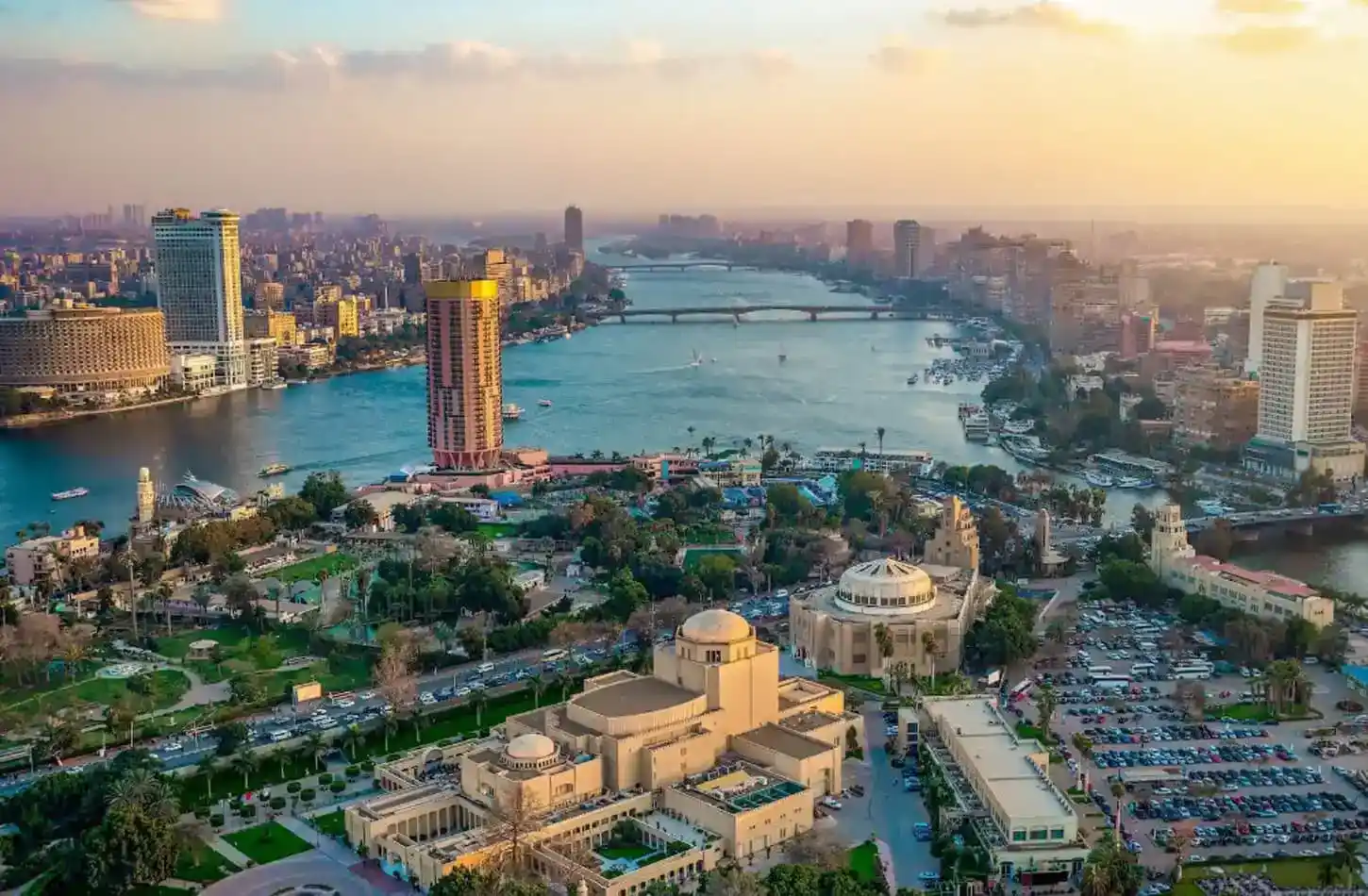
Is Cairo Safe for Tourists?
Yes — Cairo is generally safe for tourists who stay in well-known areas, use reliable transportation, and approach the city like any other large capital.
Cairo is busy, crowded, and full of normal big-city movement. That can feel intense at first, but it also means tourist zones are active and well-serviced.
Where tourists typically spend time (and why it matters)
Most visitors spend their time in:
- Central areas (Downtown, Tahrir Square vicinity)
- Zamalek (an island neighborhood known for cafes, embassies, galleries)
- Islamic Cairo (historic mosques, lanes, markets)
- New Cairo/Heliopolis (more modern, depending on your hotel and plans)
Choosing a good base matters because it reduces friction: shorter drives, easier pickup points for tours, and less time negotiating transport.
Is Cairo safe to visit compared to other major cities?
By global standards, Cairo is a manageable destination for tourists who follow standard big-city habits. It does not rank among the world’s highest-crime cities for tourists. The challenges in Cairo are mostly logistical — traffic, crowds, aggressive selling in some areas — rather than genuine safety threats.
Neighborhoods like Zamalek, Garden City, and Maadi are consistently described by expats and frequent visitors as comfortable and calm. The historic areas (Islamic Cairo, Khan el-Khalili) are busy and require normal crowd awareness. Using Uber or Careem for transport, booking a guide for the first pyramid day, and choosing a hotel in a central, well-reviewed neighborhood solves most of the friction.
Is Uber safe in Cairo?
For many travelers, Uber (and similar ride-hailing apps) is one of the easiest ways to get around Cairo safely and comfortably:
- The route is tracked in-app
- Payment can be cash or card (depending on settings)
- You avoid long bargaining conversations
Practical tip: confirm the license plate and driver name before getting in, and sit in the back seat if that feels more comfortable — simple habits used worldwide.
Are taxis safe in Egypt?
Taxis are widely used, but the “smooth trip” version is:
- Use hotel-arranged taxis or a recommended driver
- If you hail one on the street, agree on the price before you get in (or ask for the meter if available)
- Keep small bills to avoid “no change” problems
This is less about danger and more about avoiding the most common travel annoyance: price negotiation.
Is it safe to walk around at night in Egypt?
In Egypt’s main tourist areas, evening and night movement is generally fine — with the same common-sense habits you would apply in any large city. In Cairo, areas like Zamalek, Downtown near restaurants and cafes, and hotel neighborhoods are active and well-lit in the evenings. Luxor’s Corniche along the Nile is a popular evening walk. Aswan’s riverfront is calm and pleasant after dark.
In Red Sea resorts, the resort zones themselves are entirely self-contained — hotel areas, beach restaurants, and resort streets are designed for evening use. The consistent advice from experienced travelers: use ride-hailing apps (Uber/Careem) rather than hailing random taxis at night, avoid walking alone in unfamiliar residential areas after midnight, and stick to streets and venues that are clearly active. This is standard big-city logic rather than Egypt-specific concern.
A calm checklist for Cairo
- Keep valuables close in crowds (phone, wallet)
- Avoid photographing security or police locations
- Plan airport transfers in advance if arriving late
- For evening outings, stick to lively streets and known venues
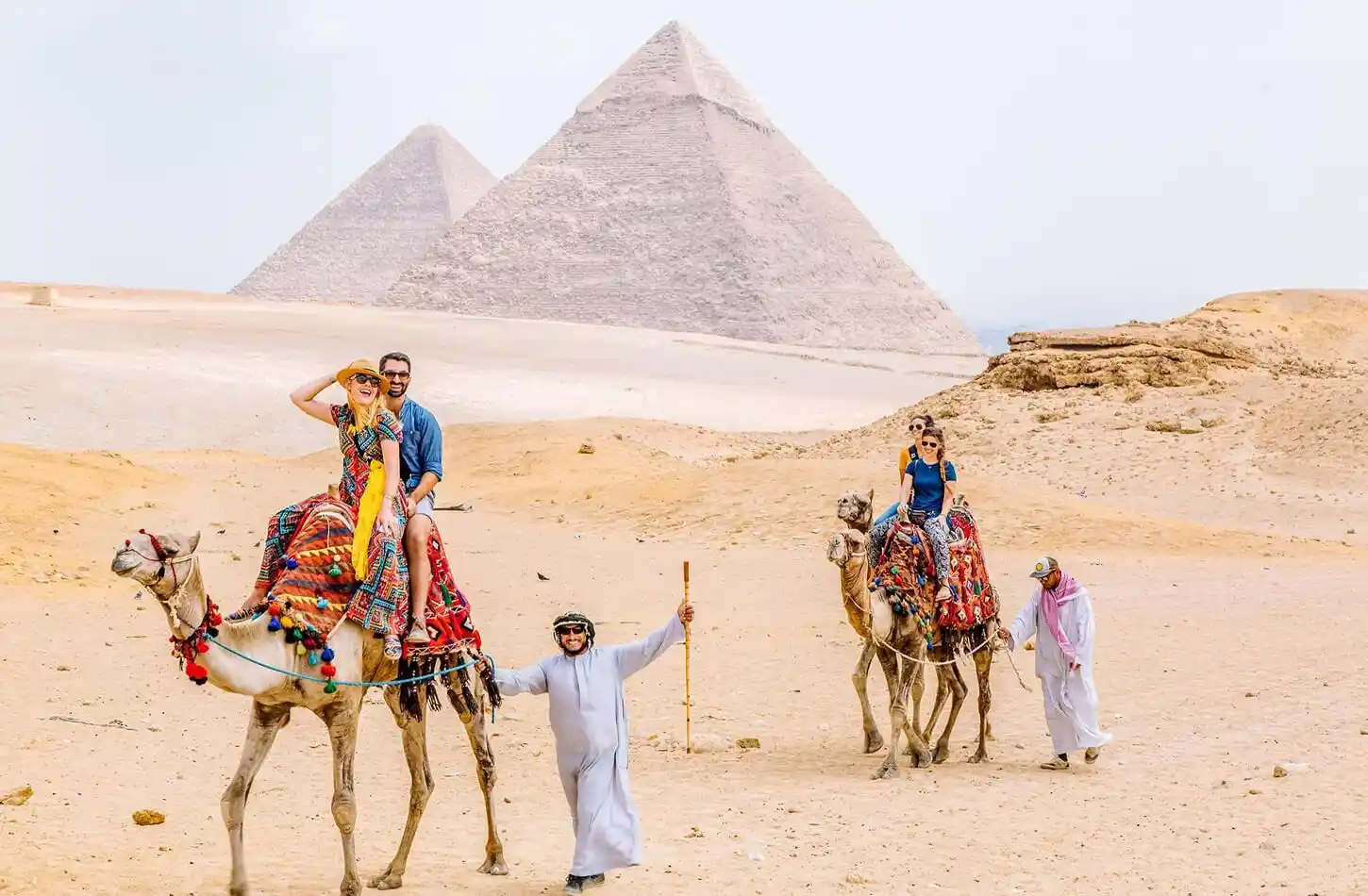
Is Giza Safe Around the Pyramids?
Yes — Giza is a highly touristed area, and visiting the pyramids is a normal, everyday activity for guides, drivers, and visitors.
What surprises some travelers is not safety — it’s how persistent some vendors can be around major landmarks.
What to expect at the pyramids (so it feels easier)
- You will see tourism staff, police, and large numbers of visitors.
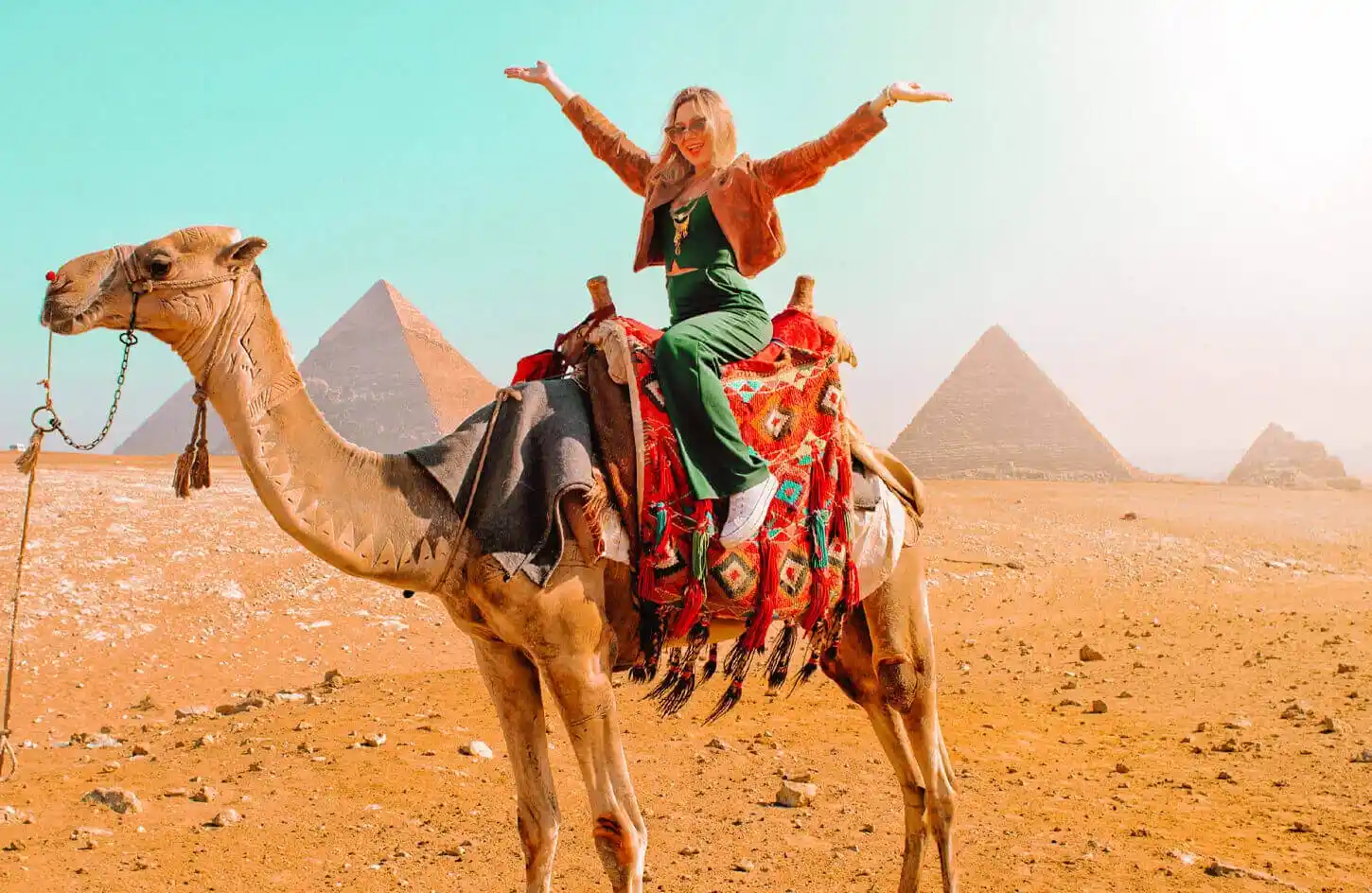
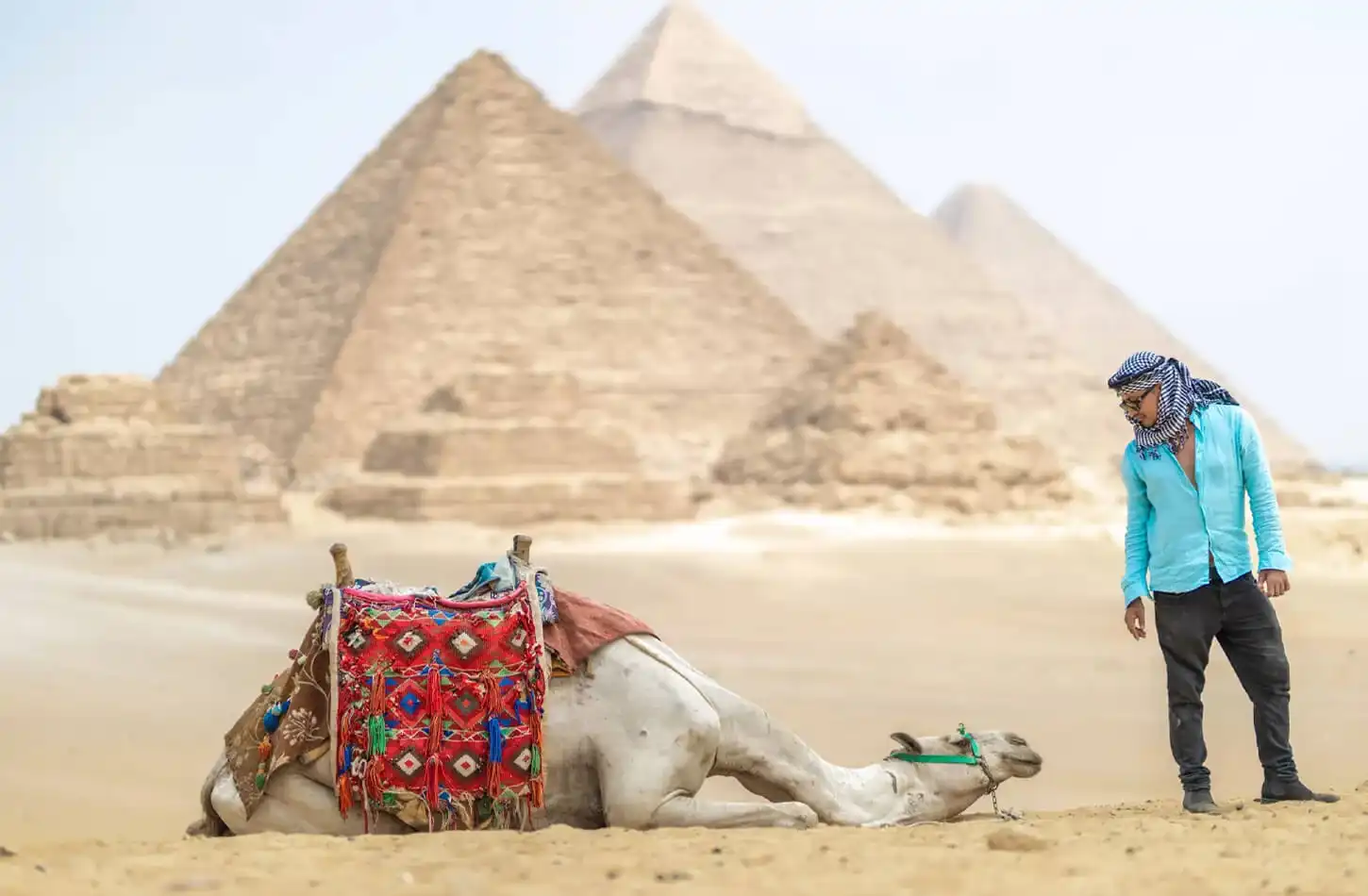
- You may be offered camel rides, horse rides, “special access,” or “help” taking photos.
The simplest approach:
- If you are not interested, a polite “no thank you” and walking on is enough.
- If you are interested in a ride, agree on price and timing clearly before you start.
- Consider a licensed guide or a reputable tour for a low-stress first visit.
This is a “classic world wonder” situation: famous sites attract both genuine services and hustle. Planning reduces the noise.
Are Luxor and Aswan Safe for Cultural Travel?
Yes — Luxor and Aswan are among Egypt’s most tourism-centered destinations, and they are core stops on classic Egypt itineraries.
These cities are designed around sightseeing:
- Early mornings at temples and tombs
- Midday breaks (heat management)
- Evenings along the Nile, markets, and hotel dining
Why Luxor and Aswan often feel easier than Cairo
- Smaller cities = less traffic intensity
- Tourism is the main business, especially in the temple zones
- Day touring is very structured (drivers, guides, set routes)
Is a Nile cruise safe in Egypt?
For many visitors, a Nile cruise is one of the most comfortable and logistically “easy” ways to travel between Luxor and Aswan:
- You sleep in one place and do guided shore visits
- Transport to sites is organized
- The onboard environment is controlled, with staff and security routines
The practical advice is simple:
- Book with a reputable operator (good reviews, clear itinerary)
- Follow your guide’s timing at sites
- Use normal precautions with valuables (like any hotel)
Are Hurghada, Sharm El Sheikh and Red Sea Resorts Safe?
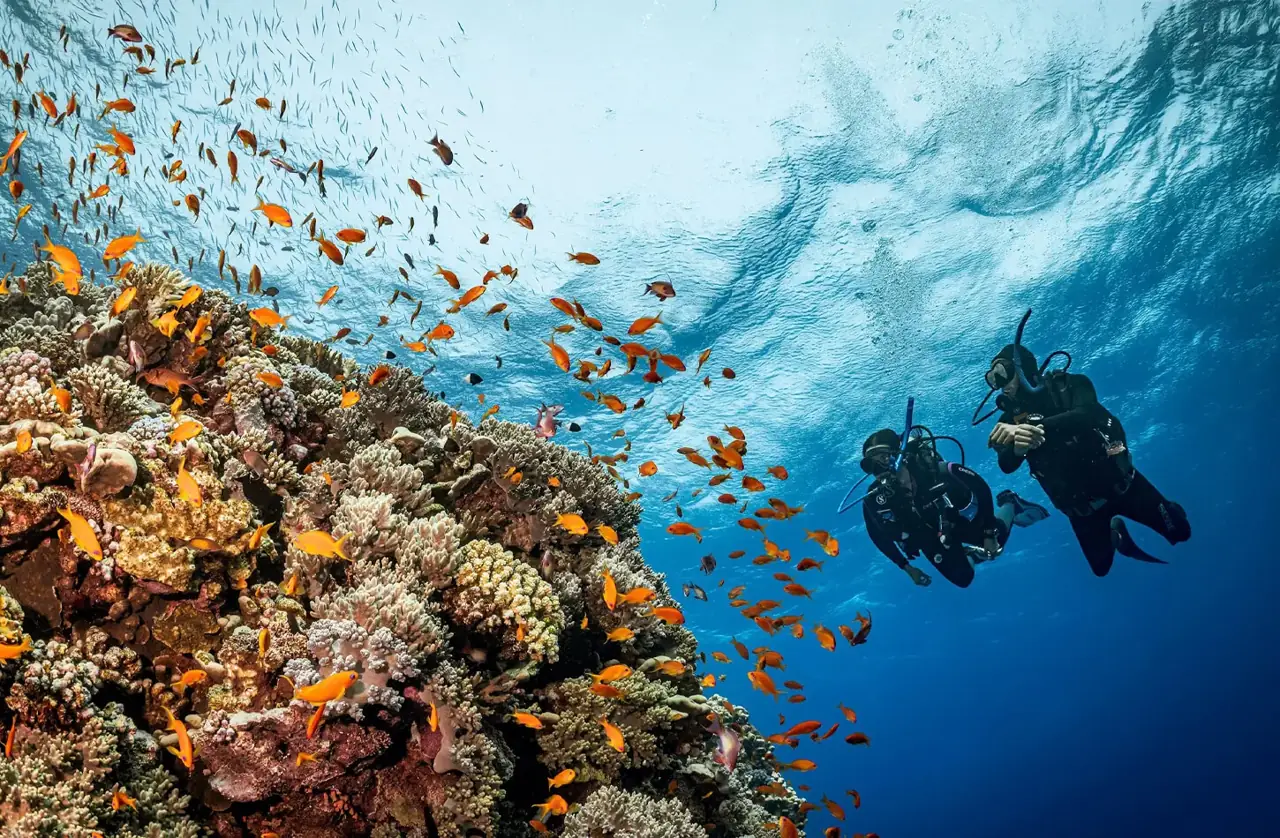
Yes — Egypt’s Red Sea resorts are popular precisely because they operate as organized tourism zones focused on relaxation and water activities.
If you are looking for the lowest-friction part of Egypt, many travelers choose:
- Hurghada and nearby resort areas (El Gouna, Makadi Bay, Soma Bay)
- Sharm El Sheikh (Naama Bay, Nabq Bay)
- Marsa Alam (quieter, more remote resort style)
The UK’s travel advice specifically notes that travel to Red Sea tourist areas in the southern Sinai is generally low risk, and that security forces carry out routine checks at airports and on roads to protect resort tourism infrastructure (including resort towns such as Sharm El Sheikh, Hurghada, and Marsa Alam).
Is Sharm El Sheikh safe for tourists in 2026?
Yes — Sharm El Sheikh remains one of Egypt’s most visited resort destinations, and tourism operations there are running normally. The resort zones (Naama Bay, Nabq Bay) are designed entirely around international tourism, with visible security routines and well-established hotel and transfer infrastructure.
The UK’s travel advice specifically describes Red Sea tourist areas in the southern Sinai, including Sharm El Sheikh, as generally low risk, noting that security forces carry out routine checks on roads and at airports to protect tourism infrastructure. The most important practical note: advisories do flag northern and middle Sinai as areas to avoid — but Sharm El Sheikh sits at the southern tip of the Sinai Peninsula and is treated separately in all major government advisories. For most resort visitors flying directly into Sharm El Sheikh airport and staying within the resort zone, day-to-day experience is calm and structured.
Is Hurghada safe for tourists in 2026?
Yes — Hurghada is one of Egypt’s most established beach resort destinations and continues to welcome large numbers of European, British, and international visitors each year. The resort areas (Hurghada proper, El Gouna, Makadi Bay, Soma Bay) operate as organized tourism zones with hotel security, structured excursions, and regular airport transfers.
The UK’s travel advice notes that security forces carry out routine checks on roads to Red Sea resort areas including Hurghada as part of standard tourism protection measures. For families and couples looking for the most friction-free part of Egypt, Hurghada is consistently among the top choices — a beach base with optional day trips to cultural sites or desert adventures.
What “safe and easy” looks like in practice at the Red Sea
- Pre-arranged transfers (hotel or reputable provider)
- Resort-based excursions (snorkeling, diving, desert trips) with clear pickup times
- Staying in the resort zone at night unless you have a planned outing
A note on water activities (comfort, not fear)
Red Sea trips often include boats, diving, snorkeling, and semi-adventure activities. As anywhere, the smoothest experience comes from:
- Using licensed operators
- Checking equipment and safety briefings
- Not pushing beyond your comfort level in sea conditions
This is standard travel logic for beaches worldwide.
Is Egypt Safe for Solo Female Travelers?
Yes — many women travel in Egypt solo or semi-solo (day tours + independent evenings), and the trip can be enjoyable and empowering with a few practical strategies.
The honest reality is that Egypt can be conservative in social norms, especially outside resort settings. That does not mean you cannot travel confidently — it simply means you will have a better time if you plan for comfort.
Practical tips that make solo travel feel easy
- Choose your base carefully: well-known neighborhoods and hotels with good front-desk support
- Use ride-hailing apps (or hotel-arranged cars), especially at night
- Book a guide for key days (pyramids day, Luxor West Bank day) to reduce hassle
- Dress for comfort and local norms: light layers that cover shoulders and knees often reduce unwanted attention and help you feel more relaxed
- Set boundaries early: a calm “no thank you” and continuing to walk works well
- Avoid isolated walking late at night in unfamiliar areas — big-city logic, not Egypt-specific fear
Is Egypt safe for solo travelers (men and women)?
Solo travel in Egypt is entirely possible and done successfully by many travelers each year. For solo men, Egypt is generally straightforward — the main adjustments are transport habits (ride-hailing over random taxis, pre-arranged drivers for day trips) and the usual awareness in crowded areas.
For solo women, the trip works best with a few additional layers of planning: choosing well-located hotels in good neighborhoods, booking a local guide for the bigger sightseeing days (pyramids, Luxor West Bank), using ride-hailing apps especially at night, and wearing light layers that cover shoulders and knees in non-resort settings. Egypt can be socially conservative outside resort zones, and some women experience unwanted attention — this is real but manageable with the right planning. Many solo female travelers describe their Egypt trip as challenging, memorable, and ultimately very rewarding. The most effective approach combines independent time (evenings, Nile views, markets) with organized daytime touring.
Solo female travelers: a positive way to plan
- Independent evenings (restaurants, Nile views, safe neighborhoods)
- Organized daytime touring (guide + driver)
- Resort time at the end (Red Sea) for full relaxation
This planning style answers both questions at once: “is Egypt safe for solo female travellers” and “how do you make the trip smooth?”
Is Egypt Safe for Families and First-Time Visitors?
Yes — Egypt can be a fantastic family destination and a strong choice for first-time visitors, especially when your itinerary is simple and your transport is pre-arranged.
Why Egypt works well for families
- Resorts (Hurghada, Sharm, Marsa Alam) are set up for families: pools, beaches, kids’ clubs, and easy dining
- Cairo and Giza offer “wow” moments children remember for life (pyramids, museums)
- Nile cruises can be a comfortable “one hotel that moves” option
A family-friendly planning template
- 3–4 nights Cairo/Giza (with a guide for pyramid day)
- Fly to Luxor, then either:
- 3–4 night Nile cruise, or
- 2–3 nights Luxor + 2 nights Aswan
- 4–6 nights Red Sea resort (optional)
For first-timers, this format reduces stress because logistics are predictable.
Is There a Risk of Scams or Petty Crime Targeting Tourists?
The most common challenges tourists report in Egypt are not violent crime but rather persistent selling, unsolicited “help,” and occasional overcharging — particularly around major sites like the Pyramids of Giza and Khan el-Khalili bazaar in Cairo. Petty theft (pickpocketing) is possible in crowded areas, as in any major tourist destination worldwide.
The practical tools that make Egypt feel smooth: use a licensed guide for major sightseeing days, which significantly reduces vendor pressure; agree on taxi prices before you get in or use ride-hailing apps; keep valuables in a secure inner pocket or bag in crowds; and politely but clearly decline unsolicited offers. Violent crime targeting tourists is rare. Most travelers who have a frustrating experience point to something that felt pushy or confusing rather than genuinely unsafe — and advance planning largely removes those friction points.
Transportation and Getting Around Safely in Egypt
This section answers the practical questions travelers actually worry about: airports, flights, taxis, Uber, and long distances.
Are flights to Egypt safe? Is Egypt’s airspace open?
At the time of writing, U.S. Embassy messaging states that Egyptian airspace remains open and commercial airports are operational, while noting that flight disruptions can happen depending on regional conditions and airline decisions.
So the realistic planning advice is:
- Book flights with reasonable connection times
- Prefer flexible fares if your schedule is tight
- Check airline travel alerts in the days before departure
Is Cairo Airport operating normally?
Cairo International Airport is Egypt’s main hub, and it publishes standard airport information, including arrivals and departures, through its official site. If you are concerned close to departure, check:
- Your airline’s app (best real-time updates)
- The airport’s live arrivals/departures page
- Any official notices from your government travel advice pages
The easiest transport choices inside Egypt
- Between Cairo and Luxor/Aswan: domestic flight is usually the simplest (time-saving and comfortable)
- Within Cairo: ride-hailing apps or pre-arranged drivers
- Luxor/Aswan touring: driver + guide (high comfort, low hassle)
- Red Sea resorts: hotel transfers or reputable private transfers
| Transport option | Best for | Smooth-trip safety/comfort notes |
|---|---|---|
| Ride-hailing (Uber/Careem) | Cairo city trips | Tracked rides + fewer price debates |
| Hotel-arranged car/driver | Airport pickup, day trips | Ideal for late arrivals and full-day touring |
| Taxis | Short trips | Agree price in advance; keep small cash |
| Domestic flights | Cairo–Luxor/Aswan, Cairo–Red Sea | Fastest; keep ID handy at airports |
| Organized tours | First-timers | Most predictable logistics |
Health, Comfort, and Travel Preparation
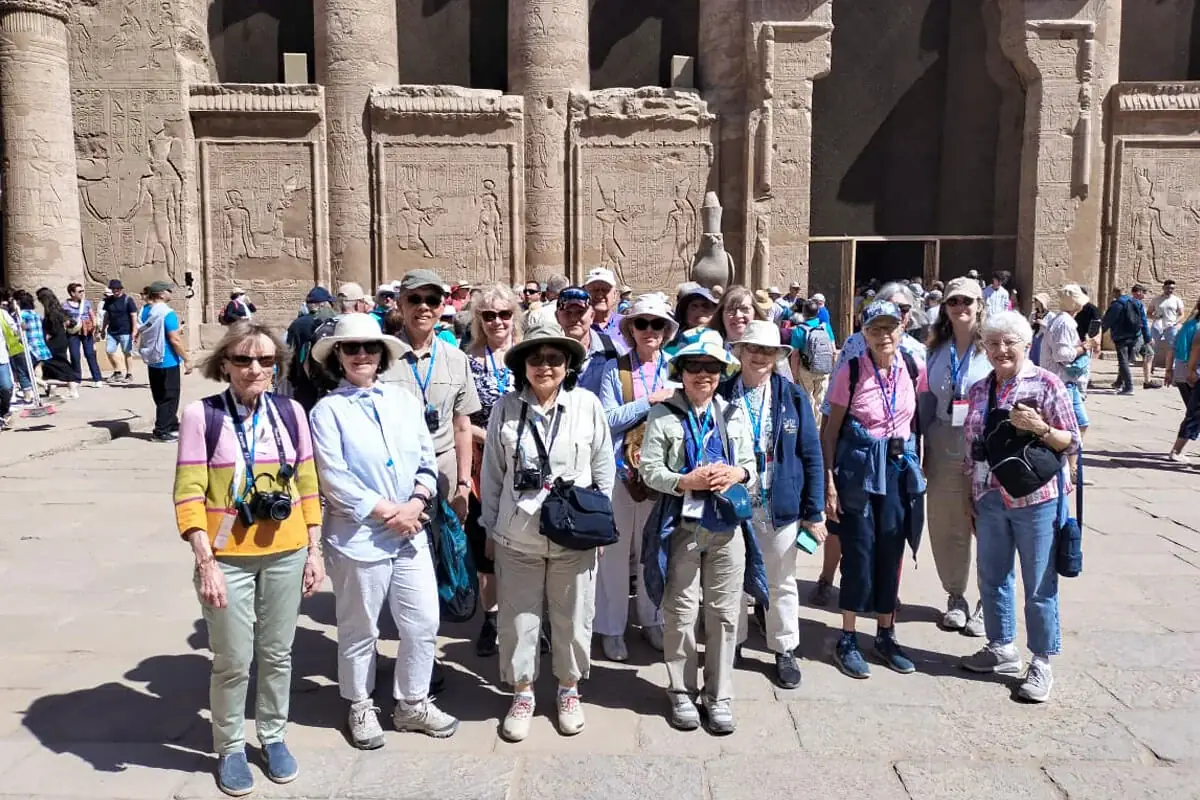
This is not about fear — it’s about enjoying the trip.
What vaccinations or health precautions do I need for Egypt in 2026?
Egypt does not require any specific vaccinations for entry, but health authorities generally recommend that travelers are up to date on routine vaccines (MMR, tetanus, hepatitis A and B). The CDC and equivalent bodies in the UK and Australia may also recommend typhoid, particularly if you plan to eat outside major hotels or explore more rural areas.
Malaria is not a significant risk in Egypt’s main tourist zones, though some advisories mention a very low risk in certain agricultural areas — check with your own health authority or travel clinic for the most current guidance. The practical health habits most travelers find useful: drink only sealed bottled water, be selective with street food in the first few days, apply sun protection consistently (Egypt’s sun is intense, especially in Luxor and Aswan), and carry basic travel medications (rehydration salts, antidiarrheal, pain relief). Travel insurance that covers medical care is strongly recommended for any Egypt trip.
Climate preparation
Egypt’s heat can be intense, especially in late spring and summer, and especially in Luxor/Aswan. A comfortable rhythm is:
- Start early (sunrise to late morning)
- Take a midday break
- Go out again in late afternoon/evening
Pack:
- Sun protection (hat, sunglasses, sunscreen)
- Light breathable clothing
- A refillable bottle and electrolytes if you are prone to dehydration
Hydration and food basics
Many travelers do fine with a simple approach:
- Use sealed bottled water for drinking
- Be selective with street food until your stomach adjusts
- Choose busy restaurants (fresh turnover)
Travel insurance for Egypt
Travel insurance is strongly recommended for any international trip, especially when your itinerary includes:
- Domestic flights
- Nile cruises
- Boat trips, snorkeling, or diving
- Long day tours
Look for coverage that includes:
- Medical care
- Trip interruption/cancellation
- Adventure activities if you plan to dive/snorkel extensively
Do I Need a Visa to Visit Egypt in 2026?
Most nationalities can obtain an Egyptian visa on arrival at major airports (Cairo, Hurghada, Sharm El Sheikh) or apply in advance through Egypt’s official e-Visa portal at visa2egypt.gov.eg. The e-Visa process is the most straightforward option — it takes a few days to process and removes the need to queue on arrival.
Citizens of some countries (including several Gulf states and some African nations) may enter visa-free — check the official portal for your nationality. The visa-on-arrival option is available to citizens of most Western countries and costs approximately USD 25. It is always advisable to use the official government portal or your country’s consulate to verify current requirements before travel, as visa policies can change.
Practical Travel Tips for Visiting Egypt
These tips are designed to help you feel confident — not cautious.
Money and payments
- Cash is useful for small purchases, tipping, and taxis.
- Cards are common in hotels and many restaurants, but not everywhere.
- Keep small bills for smoother everyday payments.
Tipping (a normal part of travel in Egypt)
Tipping is common in tourism settings (guides, drivers, hotel staff). The easiest method:
- Tip small amounts regularly rather than one large amount
- Ask your guide what is typical for the day — this avoids awkward guessing
Shopping and vendor interactions
- Expect friendly selling near major sights.
- If you want to browse, browse. If you do not, a polite “no thank you” and walking on is enough.
- Avoid pulling out large amounts of cash in busy areas.
Tourist police and emergency numbers
It is useful to save local numbers in your phone. At the time of writing, U.S. Embassy emergency contact information lists common Egyptian emergency numbers such as Police (122), Ambulance (123), Fire (180), and Tourist Police (126).
(Numbers and procedures can change — confirm locally with your hotel or guide.)
| Service | Number (commonly listed) |
|---|---|
| Police | 122 |
| Ambulance | 123 |
| Fire | 180 |
| Tourist Police | 126 |
Cultural etiquette (easy wins)
- Dress modestly for mosques and religious sites (covered shoulders/knees; women may need a headscarf in some places)
- Ask before taking close-up photos of people
- Avoid photographing security checkpoints or police
These habits are not “special restrictions” — they are simply respectful travel behavior.
Why Millions of Tourists Continue Visiting Egypt Every Year
Egypt’s tourism story is not theory — it shows up in real visitor numbers and continued investment in tourism infrastructure.
- Egypt recorded 15.7 million visitors in 2024, according to official figures reported by major outlets.
- It also recorded nearly 19 million tourists in 2025, according to official figures cited from the Ministry of Tourism and Antiquities.
- The UK also notes roughly one million British people travel to Egypt each year, with most visits trouble-free.
People keep coming because Egypt offers something rare:
- World-class ancient sites that genuinely live up to expectations
- A complete travel mix (cities, culture, desert landscapes, beaches)
- Strong hospitality culture in tourist areas
- Itineraries that can be as simple or as ambitious as you want
Final Verdict — Is Egypt Safe?
Is Egypt safe? For most international travelers who stick to Egypt’s main tourist destinations and use common-sense planning, yes — Egypt is generally safe for tourists, including in Cairo, Giza, Luxor, Aswan, and the Red Sea resort areas.
The most confidence-building way to travel is also the most practical:
- Follow official travel advice for your nationality
- Avoid the small number of regions that advisories clearly flag
- Use reliable transport and organized touring when it makes the trip smoother
Egypt is not a “no-risk” destination — no country is. But it is a well-established, heavily visited tourism country where the core tourist circuit operates normally and welcomes visitors every day.
Frequently Asked Questions
Is Egypt safe for tourists in 2026?
At the time of writing, Egypt’s major tourist destinations are open and operating normally, and millions of visitors continue to travel to Egypt each year. The safest approach is to follow your government’s advice and stay on the standard tourist route (Cairo/Giza, Luxor/Aswan, Red Sea).
What is the Egypt travel advisory level for 2026?
The U.S. State Department lists Egypt at Level 2: Exercise Increased Caution. This is a general countrywide caution — not a warning to avoid Egypt. The advisory separately flags specific areas (northern and middle Sinai, certain border zones) that are not on normal tourist itineraries. The UK, Canada, and Australia use the same structure: a base caution level plus regional exceptions.
Is it safe to travel to Egypt right now given the security situation?
Yes — at the time of writing, Egypt’s main tourist areas are operating normally. The “security situation” in advisories refers to areas near the Gaza border in northern Sinai and certain desert border zones — none of which are on the standard tourist route. Cairo, Luxor, Aswan, and the Red Sea resorts sit well away from any flagged areas.
Is it safe to travel to Egypt if there are regional tensions?
Often yes — because the main tourist areas are not located in active conflict zones. At the time of writing, Canada’s travel advice highlights that Sinai conditions could change suddenly due to nearby events, which is why many advisories separate border/Sinai guidance from the rest of Egypt. Standard tourist cities and Red Sea resorts are treated differently.
Is Sharm El Sheikh safe for tourists in 2026?
Yes — Sharm El Sheikh sits at the southern tip of the Sinai Peninsula and is treated separately from northern Sinai in all major government advisories. The UK’s travel advice describes Red Sea tourist areas including Sharm El Sheikh as generally low risk. Tourism operations are running normally, and the resort zones (Naama Bay, Nabq Bay) are designed entirely around international visitors.
Is Hurghada safe for tourists in 2026?
Yes — Hurghada is one of Egypt’s most established beach resort destinations and continues to welcome large numbers of international visitors. The resort areas (El Gouna, Makadi Bay, Soma Bay) operate as organized tourism zones with hotel security and structured excursions. For families and couples looking for the most friction-free part of Egypt, Hurghada is consistently among the top choices.
Is it safe to walk around at night in Egypt?
In tourist areas, yes — with the same habits you’d use in any large city. Cairo’s Zamalek and Downtown restaurant areas are active at night. Luxor’s Corniche and Aswan’s riverfront are pleasant evening spots. In Red Sea resorts, hotel and beach areas are designed for evening use. The consistent advice: use Uber/Careem rather than hailing random taxis at night, and avoid isolated unfamiliar streets after midnight.
Is Egypt safe from terrorism or political unrest?
Egypt’s tourist areas have not experienced significant terrorism-related incidents in recent years. Security presence at major sites and resort zones is visible and routine. Areas flagged in advisories for elevated risk (primarily northern Sinai and some border regions) are kept separate from the tourist route in all major government guidance.
Is there a risk of scams or petty crime targeting tourists?
The most common issues are persistent selling, unsolicited “help,” and occasional overcharging — not violent crime. Petty theft is possible in crowds, as in any tourist destination. A licensed guide for major sightseeing days significantly reduces vendor pressure. Agree on taxi prices in advance or use ride-hailing apps. Violent crime targeting tourists is rare.
What does the Egypt travel advisory mean in real life?
An Egypt travel advisory usually combines a general caution level and a clear list of regions where your government advises against travel. For example, the U.S. advisory lists Level 2 overall and then specifies areas to avoid (Northern & Middle Sinai, certain border zones). This is why it’s important to read the regional section, not just the headline level.
Is Cairo safe for tourists?
Yes — Cairo is generally safe for tourists who stay in well-known areas, use reliable transport (ride-hailing or hotel drivers), and keep standard big-city awareness. Cairo is busy and can feel intense, but tourist zones are active and well-serviced. Zamalek, Garden City, and Maadi are consistently described as comfortable neighborhoods.
Is Giza safe for tourists around the pyramids?
Yes. Giza is one of the most visited places in the country, and tourism operations are well established. The most common challenge is persistent selling. A guide or a pre-booked tour can make the day calmer and more enjoyable.
Is Luxor safe? Is Aswan safe?
Yes — Luxor and Aswan are core cultural tourism cities built around temple visits, Nile scenery, and structured touring days. Plan early starts, take midday heat breaks, and use a driver/guide for West Bank touring for the smoothest experience.
Is Marsa Alam safe?
Generally yes, especially within resort zones. Marsa Alam is quieter and more remote than Hurghada, so it often feels relaxed. Because it’s more spread out, pre-arranged transfers and excursions are the easiest choice.
Is a Nile cruise safe in Egypt?
For many travelers, yes — Nile cruises are one of the most controlled, organized ways to travel between Luxor and Aswan. Choose a reputable cruise, follow shore-excursion guidance, and treat it like any hotel environment (basic care with valuables).
Are flights to Egypt safe? Is Egypt’s airspace open?
At the time of writing, U.S. Embassy messaging states that Egyptian airspace remains open and commercial airports are operational, while flight disruptions may occur depending on regional conditions and airline routing. Always check your airline for real-time updates close to departure.
Is Cairo Airport operating normally?
Cairo International Airport provides standard airport services and publishes arrivals and departures through its official site. For the most reliable timing, use your airline’s app and allow extra buffer time for security and traffic to the airport.
What vaccinations or health precautions do I need for Egypt?
Egypt does not require specific vaccinations for entry, but health authorities recommend routine vaccines (MMR, tetanus, hepatitis A and B) and potentially typhoid. Drink only sealed bottled water, apply sun protection consistently, and carry basic travel medications. Travel insurance with medical coverage is strongly recommended.
Do I need a visa to visit Egypt in 2026?
Most nationalities can get a visa on arrival or apply in advance via Egypt’s official e-Visa portal (visa2egypt.gov.eg). The e-Visa costs approximately USD 25 and avoids airport queues. Some nationalities enter visa-free — check the official portal for your specific country before travel.
Is Egypt safe for solo female travellers?
Yes, many women travel successfully in Egypt. The most comfortable trips usually include smart bases (good neighborhoods/hotels), ride-hailing or hotel drivers at night, guided touring for major sightseeing days, and clothing choices that fit local norms for comfort. Many solo female travelers describe Egypt as challenging, memorable, and ultimately very rewarding.
Is Egypt safe for families?
Yes — Egypt is family-friendly, especially in the Red Sea resort areas and on a well-planned Cairo/Luxor itinerary. For younger children, keep touring days shorter and prioritize comfort (shade, water, midday breaks). Resorts in Hurghada and Sharm El Sheikh have pools, beaches, and kids’ clubs designed for families.
Is Egypt safe for American tourists and British tourists?
Americans and Britons visit Egypt in large numbers, and major government advisories focus heavily on regional guidance rather than warning against all tourism. At the time of writing, the U.S. lists Egypt as Level 2 overall, and the UK notes around one million British visitors each year with most visits trouble-free.
What are the best “smooth trip” safety tips for Egypt?
Plan transport: airport pickup + a guide for key days. Use ride-hailing in Cairo where possible. Keep small cash and agree taxi prices in advance. Stay on the tourist route — don’t freelance into remote border or desert zones. Dress for comfort and cultural norms at religious sites. Check official travel advice close to departure, as things can change.
External Links
- U.S. State Department – Egypt Travel Advisory (official advisory level + regional guidance)
- UK FCDO – Egypt travel advice (official UK safety guidance)
- UK FCDO – Egypt regional risks (specific regions where advice differs)
- Government of Canada – Egypt travel advice (risk levels + regional advisories)
- Australia Smartraveller – Egypt (official Australian guidance)
- Egypt e-Visa Portal (official e-visa application)
- Cairo International Airport (official airport info + contact)
- CDC Traveler’s Health – Egypt (health preparation and vaccines)
- UNESCO – Ancient Thebes with its Necropolis (authoritative site overview)
- Ministry of Tourism and Antiquities (Egypt) (official ministry portal)