⚠️ Safety Notice — Egypt
The UK Foreign, Commonwealth & Development Office, the US State Department, and other governments maintain active travel advisories for Egypt. Most advise against travel near border regions (Sinai peninsula excluding Sharm El-Sheikh, and areas close to the Libyan and Sudanese borders). Luxor, Aswan, Cairo, and the main tourist corridor carry a lower advisory level, but travellers should remain vigilant. At the time of writing, the main eclipse-viewing cities are considered accessible for tourists — details can change, so always check your government’s official travel advisory before booking. UK FCDO Egypt travel advice | US State Department Egypt advisory
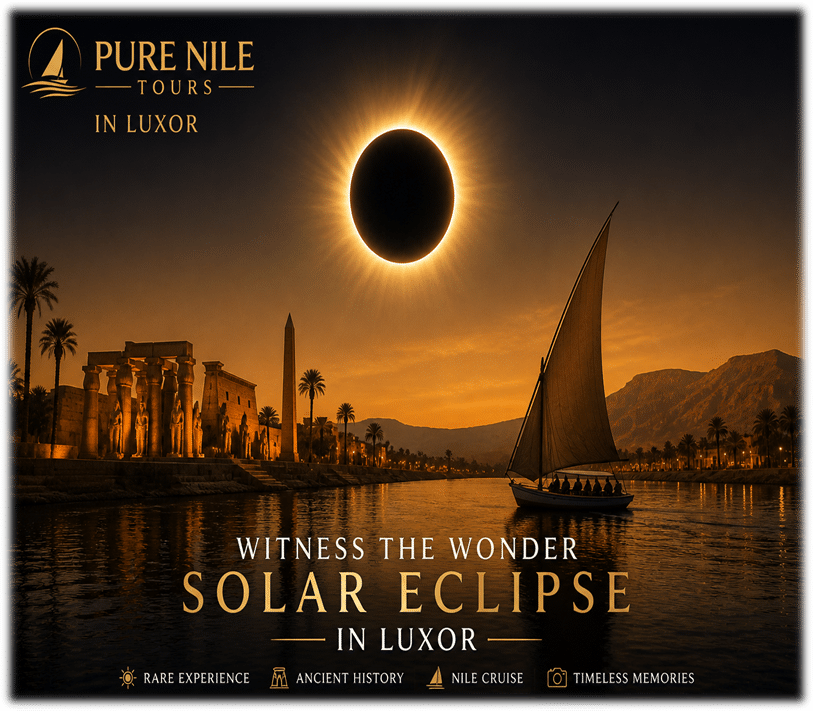
On August 2, 2027, the moon’s shadow will sweep across the Nile Valley and plunge Luxor into midday darkness for approximately 6 minutes and 22 seconds. The eclipse reaches a maximum duration of about 6 minutes 23 seconds elsewhere along the central line in Egypt, and no later total solar eclipse is expected to exceed that global maximum until 2114. Ancient Egyptians built entire temple complexes to track the sun, aligned pylons to solstice sunrises, and worshipped Ra as the cosmic force sustaining all life. In 2027, that same sky above those same temples goes dark at noon. No other eclipse destination combines long totality, clear desert conditions and the weight of 5,000 years of solar mythology in quite the same way.
This is the definitive guide to the Solar Eclipse Egypt 2027 — where to watch it, how to plan your trip, and how to book before it sells out.
🌑 Ready to book the eclipse of the century?
Pure Nile Tours has built a dedicated Solar Eclipse Egypt Tour 2027 — private Egyptologist guide, prime viewing position at Karnak, Nile cruise accommodation, and full Cairo–Luxor–Aswan itinerary. Places are extremely limited.
Egypt at a Glance for Eclipse Visitors
- Eclipse date: Monday, August 2, 2027
- Totality at Luxor: approximately 13:02–13:08 local time (EEST, UTC+3); maximum at 13:05
- Duration of totality at Luxor: approximately 6 minutes 22 seconds
- Path width over Egypt: ~160 miles (258 km)
- Clear-sky probability at Luxor in August: ~80% (Sky & Telescope historical data)
- Best base: Luxor and other verified locations inside the path of totality; Aswan city will see a deep partial eclipse
- Recommended trip length: 9–12 days combining Cairo, Luxor & Aswan; minimum 5 days for eclipse only
- Top 5 highlights: Total eclipse over Karnak, Valley of the Kings, Nile cruise, Abu Simbel, Grand Egyptian Museum
| Budget level | Approx. daily spend (USD) | What it covers |
|---|---|---|
| Budget | $50–$80 | Guesthouses, local restaurants, shared transport |
| Mid-range | $100–$180 | 3–4-star hotels, private transfers, guided tours |
| Luxury | $250–$600+ | 5-star hotels or cruise cabins, private Egyptologist guides |
Exchange rates fluctuate — verify current rates before travel.
Critical booking warning for 2027: Eclipse surge pricing is already visible across Upper Egypt. Rooms that normally cost $80/night are being marketed at $200–$400+ for eclipse week. Budget at least 2–3× your normal accommodation expectations between July 28 and August 5, 2027. Book immediately — many properties require full prepayment and are reporting sell-outs as of mid-2026.
What Is the Solar Eclipse Egypt 2027? (Eclipse of the Century Explained)
A total solar eclipse occurs when the moon passes directly between Earth and the sun, completely blocking the solar disc. The result: several minutes of sudden midday darkness, the appearance of the sun’s corona (its outer atmosphere, normally invisible), the emergence of bright planets in what was a blue sky seconds earlier, and a temperature drop of around 5°C.
The August 2, 2027 eclipse belongs to Saros series 136, the most productive series for long-duration eclipses. It is the second longest total solar eclipse of the 21st century. The 2027 maximum falls over northeastern Egypt’s New Valley Governorate, just southeast of Luxor, making it the longest-duration total eclipse on easily accessible land since 1991 — and until 2114. That is why eclipse chasers worldwide are calling it the “eclipse of the century.”
What makes the 2027 event physically special:
- Earth will be near aphelion (farthest from the sun), so the sun appears slightly smaller in the sky
- The moon will be near perigee (closest to Earth), so the moon appears slightly larger
- These two factors together maximise the totality duration — physics conspiring in our favour
The path of totality enters Egyptian territory from Libya, crosses the Western Desert and the Nile Valley near Luxor, then continues southeast toward the Red Sea and Saudi Arabia. The total phase is visible only from locations inside the central path; Aswan city lies outside it and will experience a deep partial eclipse.
| Stat | Value |
|---|---|
| Eclipse date | Monday, August 2, 2027 |
| Partial eclipse begins (Luxor) | ~11:40 local time (EEST) |
| Totality begins | ~13:02 local time |
| Maximum eclipse | 13:05 local time — sun 82° above horizon |
| Totality ends | ~13:08 local time |
| Partial eclipse ends | ~14:26 local time |
| Duration of totality at Luxor | ~6 min 22 sec |
| Clear-sky probability (August, Luxor) | ~80% |
| Path width over Egypt | ~160 miles (258 km) |
| Next comparable eclipse on land | 2114 |
The sun at 82° above the horizon during totality — nearly directly overhead — is unusual for European or North American eclipses and means zero horizon obstructions for photographers.
Where to Watch the Solar Eclipse Egypt 2027 — Best Viewing Locations
Luxor: Best Overall Location for the 2027 Eclipse
Luxor sits close to the centre of the path of totality and receives approximately 6 minutes 22 seconds of totality. Moving toward the edge of the path shortens the total phase substantially. Luxor’s typically dry August climate makes it one of the most practical established viewing bases in Egypt, although weather can never be guaranteed.
But statistics alone don’t explain Luxor’s pull. The ancient Egyptians were sophisticated solar astronomers. The Great Hypostyle Hall at Karnak — which took over 1,300 years to complete across multiple pharaohs — encodes solar alignments in its architecture. The Valley of the Kings was the burial ground of pharaohs who believed their souls would journey with Ra across the sky. Watching the solar disc vanish above these very sites carries a resonance that no viewing platform in Spain or the Canary Islands can replicate.
Karnak Temple Complex
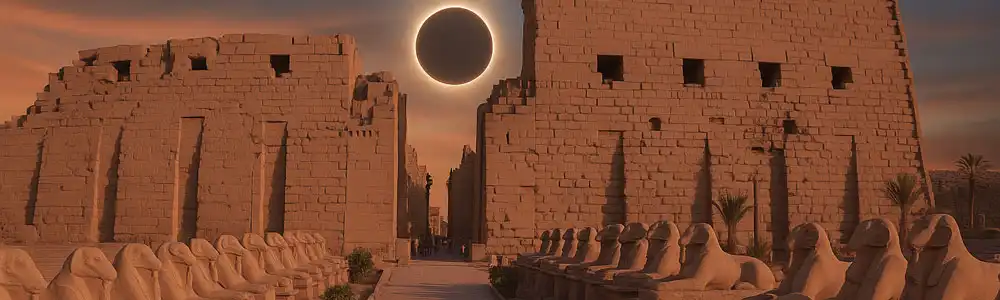
The most logistically sound major-site viewing location. The open courts of the Great Hypostyle Hall are vast enough to accommodate thousands without dangerous crowding; views are unobstructed skyward. The solar alignment of the complex gives the eclipse added mythological charge — Karnak was built for Amun-Ra, the sun god. Several international astronomy tour groups have already reserved sections of the outer precincts. Our dedicated Solar Eclipse Egypt Tour 2027 includes a prime reserved viewing position within the Karnak complex with an expert Egyptologist on hand.
Valley of the Kings (West Bank)
The necropolis where pharaohs were buried in lavishly painted rock-cut tombs. The limestone cliffs provide shade in morning hours; the eclipse will darken the sky above those cliffs from noon onward. Arrive on the west bank at least two hours before totality — transport across the Nile on eclipse day will be severely congested. The astronomical ceiling paintings in the Tomb of Seti I make the location especially resonant for eclipse day.
Luxor Hotel Rooftops Along the Nile
The most comfortable option for families with young children or those with mobility limitations. Many riverside hotels are marketing eclipse-viewing packages with reserved rooftop spots; several are already sold out. A west bank rooftop — totality over the Nile with the east bank temple pylons silhouetted behind — is one of the most dramatic views available.
Aboard a Nile Cruise Ship
The choice of many experienced eclipse chasers. A moored or slow-sailing cruise ship gives an unobstructed 360° sky view from the sun deck, immediate access to cooling interiors, and eliminates all transport anxiety on eclipse day. The Dahabiya Nile Sailing Cruise from Luxor to Aswan is a premium option that positions you beautifully along the centre of the totality path. For mid-luxury bundled accommodation and on-water experience, the Le Fayan Luxury Nile Cruise between Luxor and Aswan is a strong option.
Dendera Temple (~60 km north of Luxor)
One of Egypt’s most intact temple complexes, dedicated to Hathor, goddess of love and music. Its ceilings carry some of the finest astronomical paintings in the ancient world — a complete zodiac and depictions of the sky gods. Within the path of totality with similarly excellent clear-sky odds.
Aswan: A Deep Partial Eclipse, Not Totality
Aswan city lies just outside the path of totality. It will experience a very deep partial eclipse, reaching a magnitude of about 0.996 near 13:08 local time, but the sun will not be completely covered. Aswan remains an excellent pre- or post-eclipse destination for Philae Temple, Nubian scenery and Abu Simbel, but travellers who want to experience totality must be at a verified location inside the central path before eclipse day. The 3 Day Luxor and Aswan With Abu Simbel package can be combined with a separate totality plan in Luxor.
Hurghada and the Red Sea Coast
Parts of the Red Sea coast lie within the path of totality, but the eclipse type and duration vary by exact location. Temperatures are generally lower than in Luxor, sea breezes can make the heat more manageable, and tourist infrastructure is extensive. Verify the coordinates of any viewing site before booking.
White Desert: A Purpose-Built Eclipse Camp
Travellers who prefer an open desert setting instead of a Nile cruise can explore White Desert solar eclipse tours for 2027. The dedicated experience includes pickup from Cairo, transfers through Bahariya Oasis, local 4×4 transportation and a fully serviced eclipse camp whose final viewing location will be verified inside the path of totality.
Siwa Oasis (Darkest Skies in Egypt)
For experienced travellers comfortable with remote desert conditions. The eco-lodge at Siwa operates without electricity, giving the darkest possible skies and very few crowds. Road access from Cairo is approximately 8 hours; August desert heat is severe. For those willing to plan carefully, Siwa offers a uniquely atmospheric eclipse experience unlike anything in the crowded Luxor corridor.
Cairo — Partial Eclipse Only
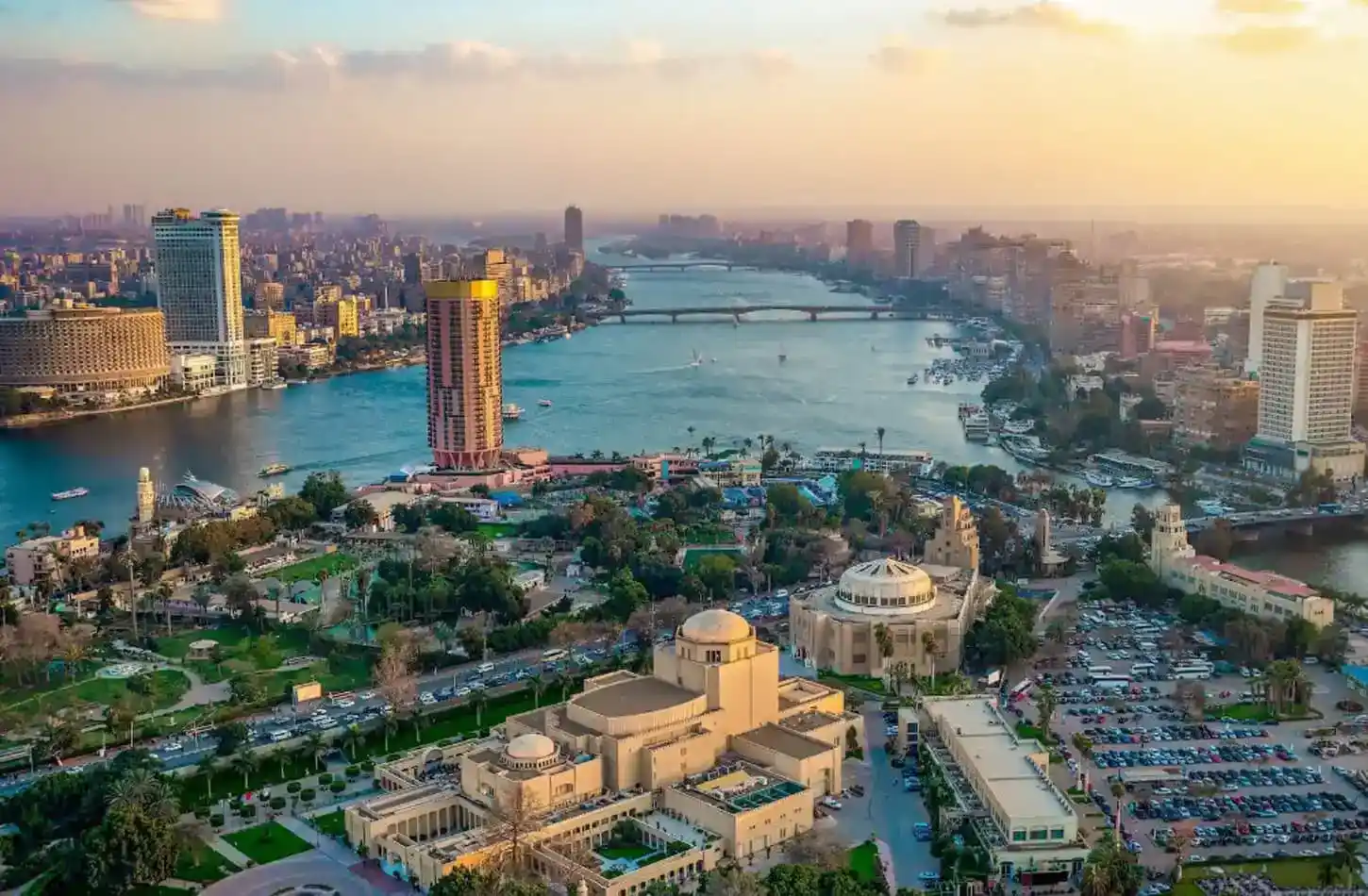
Cairo sits outside the path of totality. It will experience only a partial eclipse — the sun roughly 75–80% covered. Cairo is worth visiting before or after the eclipse, but do not stay there on August 2 expecting a totality experience. Fly or take the overnight train to Luxor.
Our Solar Eclipse Egypt Tour 2027 — What’s Included
Pure Nile Tours has designed a dedicated Solar Eclipse Egypt Tour 2027 specifically around the August 2 event. Here is what sets it apart from generic Egypt packages:
- ✅ Prime reserved viewing position at Karnak Temple complex — not general public access
- ✅ Private Egyptologist guide throughout — connects the eclipse to Ra mythology and Karnak’s solar alignments in real time
- ✅ ISO 12312-2 certified eclipse glasses included — sourced and verified before travel
- ✅ Full Cairo–Luxor–Aswan itinerary — Grand Egyptian Museum, Valley of the Kings, Abu Simbel, Nile cruise segment
- ✅ Pre-arranged eclipse day logistics — no scrambling for transport on August 2 morning
- ✅ Small group sizes — not a bus tour; personal experience guaranteed
- ✅ Astronomy commentary on eclipse science and Saros cycle 136
Availability is extremely limited — this tour will sell out. View the full itinerary and book your place →
The Path of Totality Through Egypt
The moon’s shadow enters Egyptian territory from Libya and travels southeast across the Western Desert, the Nile Valley near Luxor and the Eastern Desert before continuing toward Saudi Arabia. The path is approximately 258 km wide near greatest eclipse, but totality is visible only inside its northern and southern limits. Aswan city is outside the totality path and will see a deep partial eclipse.
The shadow moves at roughly 1.2 km per second at ground level. The transition from full sun to full darkness and back takes just over 6 minutes. That transition is unlike a sunset — the light dims sharply in the final 30 seconds, the horizon glows orange in a 360° ring as if sunrise and sunset are happening simultaneously, and then full darkness snaps into place within a second or two.
What you will see during totality:
- ✅ The solar corona — the sun’s outer atmosphere — as a white pearlescent halo extending several solar diameters. No photograph fully captures its texture.
- ✅ Venus clearly visible to the naked eye near the darkened sun; Jupiter and possibly Mercury also visible
- ✅ Faint stars from Orion’s belt area visible overhead
- ✅ A measurable 3–5°C temperature drop within 2 minutes of totality onset
- ✅ Abrupt changes in animal behaviour — birds return to roost, insects go silent, then chaos as totality ends
- ✅ The collective silence — then eruption — of thousands of people at Karnak or the Valley of the Kings
How to Plan Your Solar Eclipse Egypt 2027 Trip
Minimum Viable Trip: 5 Days
Arrive Luxor two days before August 2, explore the temples, rest, watch the eclipse on day 3, use days 4–5 for the west bank. Fly back from Luxor directly. This works but leaves no room for Cairo or Aswan.
Recommended Trip: 9–12 Days
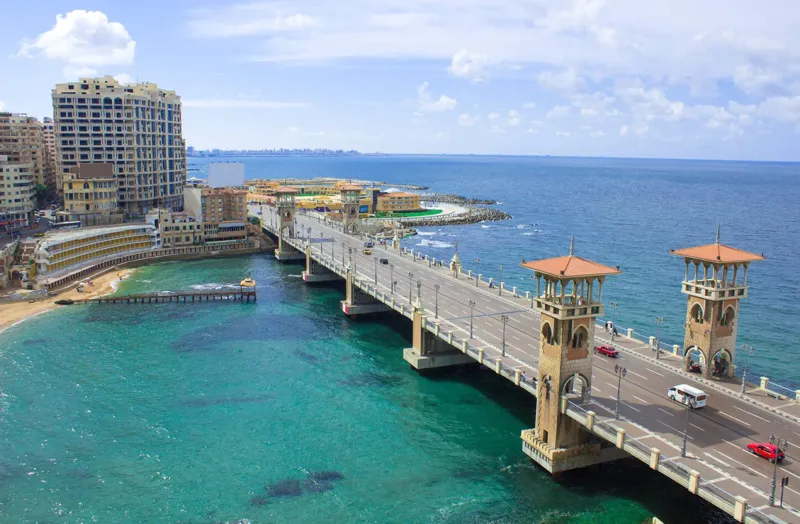
This allows 2–3 days in Cairo (Giza Pyramids, Grand Egyptian Museum, Khan El-Khalili), a flight to Luxor or Aswan, 3–4 days for Luxor east and west banks, a Nile cruise segment, and 2 days in Aswan with Abu Simbel. The 8 Days Cairo and Nile Cruise with Abu Simbel tour covers this itinerary logistically — talk to us about aligning your dates with eclipse week. For a 10-day fully packaged option, the 10 Day Cairo, Nile Cruise, Alexandria & Abu Simbel Tour can be adapted for eclipse week positioning.
Critical Planning Rules
- ✅ Do not plan to travel on August 2. Roads, airports, and public transport in Luxor and Aswan will be overwhelmed. Be at your viewing location the night before.
- ✅ Book accommodation for July 29 – August 4 at minimum, regardless of when your wider trip starts.
- ✅ Domestic flights (Cairo–Luxor, Cairo–Aswan) for late July and early August 2027 are filling fast. Reserve alongside accommodation — treat them with equal urgency.
- ✅ Eclipse-specific tour packages (accommodation + viewing spots + glasses + commentary) are strongly recommended for first-time eclipse visitors.
Where to Stay for the 2027 Eclipse
Luxor East Bank
The main tourist district. Running along the Nile’s eastern shore, it places you within walking distance of Luxor Temple and easy taxi distance of Karnak. Greatest density of hotels at all price levels. Expect noise, congestion, and elevated prices from late July onward.
Luxor West Bank
Quieter, closer to the Valley of the Kings, with boutique guesthouses and rooftop terraces that look back across the Nile toward the Luxor and Karnak pylons. For eclipse day, the west bank rooftop view — totality over the Nile with the east bank silhouetted behind — is one of the most dramatic available without a paid tour group.
Aboard a Nile Cruise Ship
The most self-contained option: you sleep, eat, and view the eclipse from the same vessel. Cruise ships specifically marketed for the eclipse are being positioned at prime Nile locations for August 2. The Le Fayan Luxury Nile Cruise is a strong mid-luxury option for travellers who want their eclipse accommodation and on-water experience bundled together.
Aswan Hotels
A less frenetic option before or after eclipse day. The Old Cataract Hotel is the famous colonial choice, while modern riverside resorts on Elephantine Island provide panoramic Nile views. Aswan city will see a deep partial eclipse rather than totality, so guests seeking the total phase must travel to a verified location inside the central path in advance.
Booking guidance:
- As of mid-2026, several boutique Luxor properties are already fully sold out for eclipse week with waitlists
- Budget travellers hoping to find walk-in rooms in Luxor on August 1–2 will be disappointed
- If booking independently, prioritise properties with confirmed rooftop access or direct Nile frontage
Eclipse Viewing Safety — Eye Protection Rules
Looking directly at a partially eclipsed sun — at any phase except totality — causes permanent retinal damage. Solar radiation at the intensities involved destroys photoreceptors without any sensation of pain, meaning damage occurs before you feel any discomfort. The rules below follow NASA eclipse safety guidelines.
What you must use:
- ISO 12312-2 certified eclipse glasses for all partial-phase viewing. Regular sunglasses are not safe — they transmit thousands of times more radiation than is acceptable.
- Solar filters attached to the front element of any camera lens, telescope, or binoculars. Wearing eclipse glasses while looking through an optical device does not protect you.
What is safe without glasses:
- The period of totality only — the corona is safe to view with the naked eye
- The moment any sliver of the solar disc reappears (the “diamond ring” effect) — eclipse glasses go back on immediately
Practical tips for Egypt:
- Bring at least 3 pairs of ISO 12312-2 glasses per person — the August heat creates risk of damage or loss
- If buying glasses in Egypt rather than bringing from home, verify the ISO certification stamp before use
- A pinhole projector is a safe indirect method requiring no glasses — useful backup for children
- Solar filter must go on the front, sun-facing end of any telescope or binocular — never on the eyepiece
Minute-by-Minute Eclipse Day Guide — August 2, 2027, Luxor
By 10:30, be at your viewing location with water, shade if possible, eclipse glasses, and camera equipment set up.
11:40 — Partial eclipse begins. Invisible without glasses; the sun looks normal to the naked eye. A small bite appears at the disc edge through your glasses.
12:30–13:00 — The partial phase deepens. Light levels fall, shadows sharpen and the temperature may begin to drop. Keep eclipse glasses on whenever looking toward the sun.
13:00–13:02 — The final minutes before totality. Shadow bands may become visible on pale surfaces, the horizon brightens in every direction and the remaining solar crescent becomes extremely thin.
Approximately 13:02 — TOTALITY BEGINS. Only after the bright solar surface is completely covered may you remove eclipse glasses. The corona appears as a structured white halo, the sky darkens and bright planets may become visible. Take time to look without a camera.
13:05 — Maximum eclipse. The sun is approximately 82° above the horizon. This is the midpoint of Luxor’s total phase.
Approximately 13:08 — TOTALITY ENDS. Put eclipse glasses back on immediately as soon as any bright part of the sun reappears.
13:08–14:26 — The partial eclipse continues as daylight returns. Keep eye protection on for direct solar viewing, hydrate and seek shade.
August Weather in Egypt — Managing 40°C Heat
| Location | Typical daytime high (August) | Typical overnight low |
|---|---|---|
| Luxor | 40–42°C (104–108°F) | 25–27°C (77–81°F) |
| Aswan | 41–43°C (106–109°F) | 26–28°C (79–82°F) |
| Hurghada | 35–38°C (95–100°F) | 26–28°C (79–82°F) |
| Cairo | 34–37°C (93–99°F) | 23–25°C (73–77°F) |
Humidity in Luxor and Aswan is below 15% most days — intense but dry heat. Shade and air conditioning make a dramatic difference.
Practical heat management:
- Start any temple visit no later than 06:30. Karnak at dawn — before eclipse-day crowds — is worth the early alarm.
- Eclipse day is the unavoidable exception: plan to be outdoors 10:30–13:30. Carry a minimum of 3 litres of water per person, electrolyte tablets, SPF 50+ sunscreen, a wide-brim hat, and a portable battery fan.
- Wear loose, light-coloured linen. Synthetic fabrics become intolerable above 38°C.
- Many organised eclipse tours include shaded canopy areas and chilled water specifically because the timing is unforgiving.
Getting To and Around Luxor for the Eclipse
By air: Luxor International Airport (LXR) has regular EgyptAir connections from Cairo (~1 hour, $60–$120 one-way in advance). For eclipse week, treat Luxor flights as perishable as accommodation — book now.
By overnight train: The Cairo–Luxor sleeper (Egyptian National Railways, ~10 hours) departs Cairo Ramses Station nightly; a sleeper cabin costs approximately $40–$80. For eclipse week this train will be extremely sought-after — book months ahead through the Egyptian National Railways website or local agents.
By Nile cruise: A cruise departing Aswan or Luxor positions you in the right corridor and eliminates separate accommodation. Journey between the two cities typically takes 3–5 days covering Edfu, Kom Ombo, and Esna temples.
Getting around Luxor itself:
- Private taxis or minivans: EGP 100–300 per trip within Luxor; pre-negotiate fares
- Local Nile ferry: EGP 5–10 per trip between east and west banks
- Horse carriages (calèches): atmospheric but slow — avoid entirely on eclipse day
- Eclipse day specifically: arrange all transport the evening before. For full guidance on navigating Egypt’s transport network, this overview of public transportation in Egypt covers the key routes and practicalities.
Budget and Costs for an Eclipse Trip to Egypt
An Egypt eclipse trip costs significantly more than a standard Egypt trip — that is the 2027 market reality. Here is what to expect:
| Item | Approx. cost |
|---|---|
| Karnak Temple entrance | ~$12 per person |
| Valley of the Kings (3 tombs) | ~$12 per person |
| Tutankhamun’s tomb (extra) | +$20 per person |
| Abu Simbel (flight from Aswan + entrance) | ~$130–$180 per person |
| Hot-air balloon over Luxor (1 hour) | ~$80–$120 per person |
| ISO eclipse glasses | $5–$20 per pair |
| Private guided day tour (per group) | $50–$120 |
| Organised eclipse tour package (8–10 days) | $2,500–$6,000+ per person |
| International flights (Europe/North America, economy) | ~$600–$1,400 |
All prices approximate and subject to change. Exchange rates fluctuate.
For budget travellers, these Egypt budget travel tips cover how to reduce daily spend without sacrificing the key experiences.
Combining the Eclipse with an Egypt Itinerary
Cairo (Days 1–2)
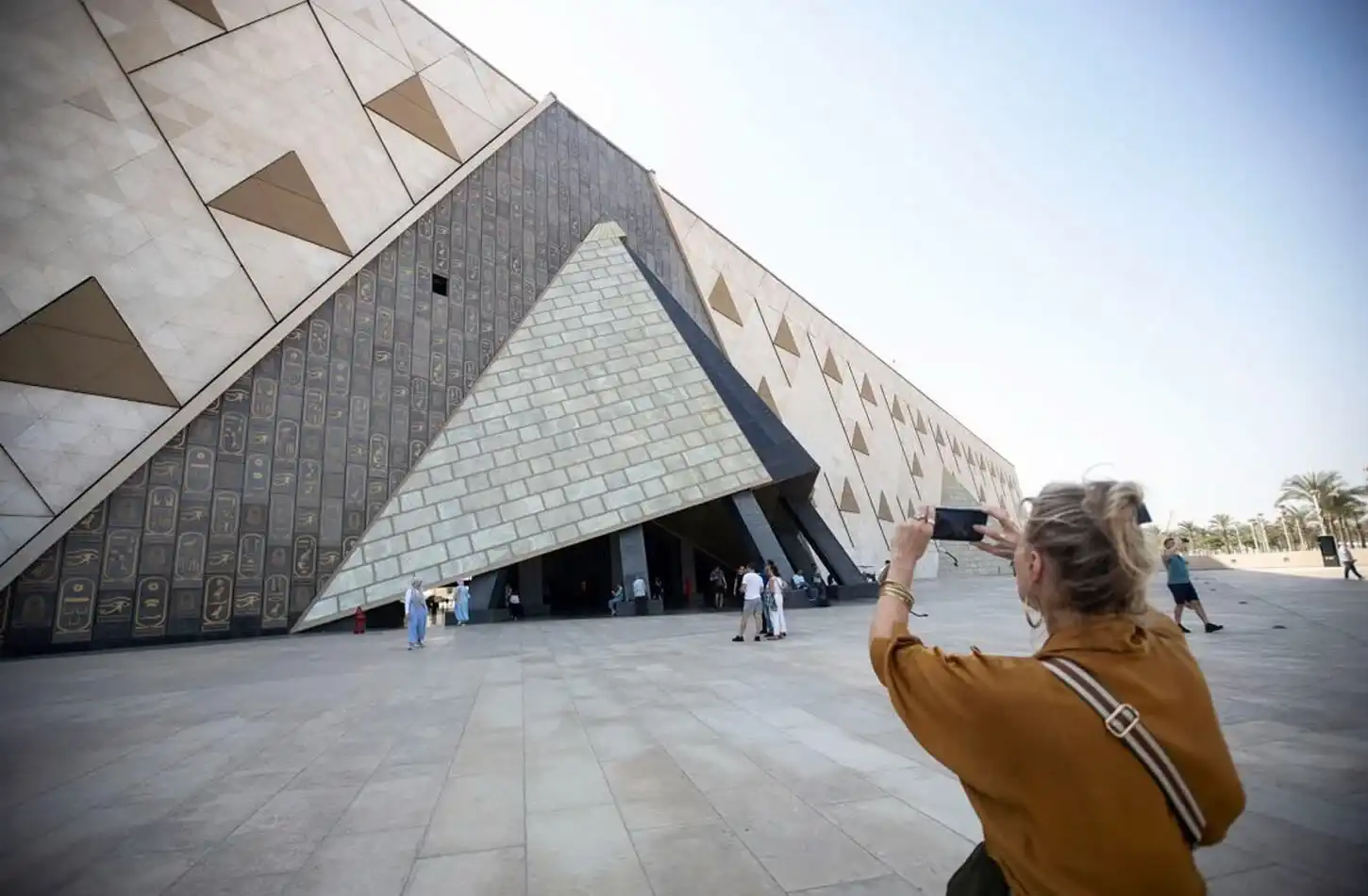
The Grand Egyptian Museum at Giza opened fully in 2025 and houses over 100,000 artefacts, including the complete Tutankhamun collection and solar mythology rooms (solar barques, the Aten-worshipping Amarna collection, astronomical ceilings). Spend a minimum of half a day; the Pyramids of Giza are a 10-minute walk from the GEM entrance. Khan El-Khalili bazaar in Islamic Cairo occupies an evening well.
Luxor (Days 3–6)
- Day 3: Arrive Luxor; East Bank — Karnak Temple (arrive 06:30), Luxor Temple at night (floodlit). Reconnoitre your eclipse position.
- Day 4: West Bank — Valley of the Kings (3 tombs; Ramesses VI and Seti I have the most spectacular astronomical ceilings), Hatshepsut Temple, Colossi of Memnon
- Day 5: Rest; hot-air balloon at dawn if pre-booked; optional Dendera day trip; charge all devices
- Day 6: Eclipse Day — position by 10:30, totality approximately 13:02–13:08, celebration dinner
Aswan + Abu Simbel (Days 7–9)
Fly or cruise south. Philae Temple island, the Unfinished Obelisk, and the Aswan High Dam occupy one full day. Abu Simbel — the four colossal statues of Ramesses II hewn from a sandstone cliff, aligned so sunlight penetrates 60 metres into the sanctuary twice yearly — requires either an early-morning road convoy (~3.5 hours each way) or a 45-minute flight. For the Aswan-to-Luxor cruise segment, the 3 Nights Nile Cruise from Aswan to Luxor covers the key Upper Egypt corridor.
Optional Red Sea Extension (Days 10–12)
Hurghada is a 45-minute flight from Luxor. After eclipse week and temple-visiting in 40°C heat, two days at a Red Sea resort with snorkelling provides genuine recovery. The Red Sea is also within the path of totality — sea-surface eclipse views are striking if you extend your stay.
Packing for Egypt’s Solar Eclipse August 2027
Eclipse-specific essentials:
- ISO 12312-2 eclipse glasses — bring 3 pairs per person minimum; lightweight and cheap insurance against scratches or loss
- Solar camera filter matched to your lens diameter — purchase before travel (availability in Luxor during eclipse week is uncertain)
- Portable power bank — minimum 20,000 mAh; charging opportunities on eclipse day will be limited
- Wide-angle lens if photographing the corona against a temple backdrop
- Portable tripod for camera stability during the 6-minute totality window
Heat management:
- Loose linen or cotton shirts and trousers in light colours
- Wide-brim sun hat (not a cap — full brim matters)
- SPF 50+ sunscreen; re-apply every 90 minutes outdoors
- Electrolyte tablets or sachets for water bottles on eclipse day
- Compact battery-powered personal fan
General Egypt packing:
- Universal travel adapter (Type C and Type F plugs; 220V)
- Modest clothing for temple visits: covered shoulders and knees required at all religious sites
- Comfortable closed-toe walking shoes — temple floors are uneven and often sand-covered
- Physical photocopy of passport and visa
For a comprehensive Egypt-specific checklist, this guide to packing essentials for an Egypt trip covers clothing, medicines, and electronics in detail.
Egypt Practicalities for Eclipse Visitors
Visa: Most nationalities — including US, UK, EU, Canadian, and Australian passport holders — can obtain an e-visa online at visa2egypt.gov.eg (approximately $25 USD, 30-day single entry). Visa on arrival at Cairo Airport is also available at the same price. For a full breakdown by nationality, this overview of Egypt visa requirements covers the process step by step.
Currency: Egypt uses the Egyptian Pound (EGP). ATMs are widely available; avoid airport ATMs (worst rates) — withdraw from bank ATMs in city centres. Carry some small-denomination USD or EUR as backup. Exchange rates fluctuate — verify before travel.
Tipping (baksheesh): An embedded part of Egyptian service culture — not optional. Budget EGP 20–50 for small services; EGP 200–400 per person for a guided day tour; $10–$15 per passenger per day on well-run Nile cruise ships (pooled).
SIM card: Buy at Cairo International Airport on arrival — Vodafone, Orange, and WE all have kiosks. A 30-day 20–30 GB data bundle costs approximately EGP 200–400 (~$4–$8). Registration requires your passport.
Opening hours: Most temples open 06:00–17:00 in summer. Expect disrupted schedules across Egypt on August 2 due to eclipse crowds. For current and region-specific safety advice before booking, consult this safety guide for tourists in Egypt alongside your government’s official advisory.
Sample 10-Day Egypt Eclipse Itinerary
| Day | Location | Highlights |
|---|---|---|
| 1 | Arrive Cairo | Transfer, rest, acclimatise |
| 2 | Cairo | Giza Plateau by 07:00, Grand Egyptian Museum (3–4 hrs), Khan El-Khalili evening |
| 3 | Fly Cairo → Luxor | Luxor Temple (night, floodlit). Reconnoitre eclipse position. |
| 4 | Luxor West Bank | Valley of the Kings (06:00 depart), Hatshepsut Temple, Colossi of Memnon; back for A/C by 12:00 |
| 5 | Luxor East Bank | Karnak at 06:30, hot-air balloon if booked, afternoon rest, charge all devices |
| 6 | 🌑 Eclipse Day | At viewing position by 10:30. Totality approximately 13:02–13:08. Celebration dinner. |
| 7 | Luxor → Aswan | Begin Nile cruise south, or fly (45 min). Aswan Corniche, felucca ride. |
| 8 | Aswan | Philae Temple island (motorboat), Unfinished Obelisk, Aswan High Dam |
| 9 | Abu Simbel | Early flight or road convoy. Colossal temples of Ramesses II & Nefertari. Return Aswan. |
| 10 | Fly home / Red Sea | Aswan–Cairo connection, or extend to Hurghada (45 min flight) for Red Sea recovery |
Frequently Asked Questions — Solar Eclipse Egypt 2027
How long is the solar eclipse in Egypt 2027?
The total solar eclipse duration in Luxor on August 2, 2027 is approximately 6 minutes and 22 seconds. The full local event, including both partial phases, lasts about 2 hours 46 minutes, from approximately 11:40 to 14:26, with maximum eclipse near 13:05. Aswan city and Cairo will see partial eclipses rather than totality; conditions along the Red Sea coast depend on the exact viewing coordinates.
Where is the best place in Egypt to watch the 2027 solar eclipse?
Luxor is one of the strongest established bases for watching the 2027 total solar eclipse in Egypt. It lies close to the centre of the totality path and receives about 6 minutes 22 seconds of totality. Travellers seeking a more remote setting can consider a verified Western Desert viewing location, including a dedicated White Desert eclipse experience. Always confirm the exact coordinates and access plan before booking.
Is the 2027 solar eclipse visible from Cairo?
No — Cairo is outside the path of totality and will see only a partial eclipse. To experience totality, travel to a verified viewing location inside the central path, such as Luxor or the confirmed Western Desert camp location, before August 2. Aswan city is also outside the totality path.
When should I book hotels and flights for the 2027 eclipse in Egypt?
Book immediately. As of mid-2026, multiple Luxor boutique properties are fully sold out for eclipse week. Hotels priced at $80/night normally are marketing eclipse-week rooms at $200–$400+. Domestic flights Cairo–Luxor and Cairo–Aswan for late July and early August 2027 are already filling. Treat accommodation and flights with identical urgency — both are perishable for this specific week.
Is Egypt safe for tourists in 2027?
Egypt’s main tourist corridor — Cairo, Luxor, Aswan, and the Red Sea resorts — has an active tourist police presence and receives millions of international visitors annually. Petty theft and tourist scams are common; violent crime targeting tourists is rare. Avoid regions near the Egyptian–Libyan border, north Sinai, and areas close to the Sudanese border. For current advice, consult our Egypt safety guide for tourists alongside your government’s official advisory before booking.
Do I need a visa to visit Egypt for the eclipse?
Most international visitors need a visa. An e-visa is available via the Egyptian government portal at visa2egypt.gov.eg for approximately $25 USD (30 days single entry). Visa on arrival at Cairo Airport is also available for the same cost and nationalities. Your passport must have at least 6 months’ validity remaining. Verify your specific citizenship’s requirements before booking — policies can change.
Are regular sunglasses safe for viewing the solar eclipse?
No — regular sunglasses are not safe for solar eclipse viewing at any stage. Only ISO 12312-2 certified eclipse glasses are acceptable for viewing any phase except totality itself. During the ~6 minutes of totality in Luxor, when the solar disc is completely blocked, glasses come off — the corona is safe to view directly. The instant any part of the bright disc reappears, glasses go back on immediately. Bring at least 3 pairs per person.
Can I photograph the 2027 eclipse at Karnak or the Valley of the Kings?
Yes — standard camera equipment is permitted at both sites for personal use. Attach an ISO 12312-2 solar filter to the front of your camera lens during all partial phases; remove it only during totality. A tripod is strongly recommended — the 6-minute window passes fast. The sun at 82° elevation during maximum eclipse means pointing almost directly upward; plan and practice your composition beforehand. Our Solar Eclipse Egypt Tour 2027 includes specific photography briefings for the Karnak position.
How hot is Egypt in August — is it manageable?
August in Luxor and Aswan averages 40–42°C (104–108°F) during the day. Humidity is below 15%, so it is dry heat — uncomfortable but manageable if you control timing and hydration. Start sightseeing by 06:30 and return to air conditioning by 11:00. Eclipse day is the unavoidable exception: plan to be outdoors from 10:30 through 13:30. Carry 3+ litres of water, electrolyte tablets, SPF 50+, and a wide-brim hat. Hurghada and the Red Sea coast run 5–7°C cooler if the heat is a serious concern.
What does an eclipse tour package to Egypt cost in 2027?
Budget approximately $100–$180 per person per day for a mid-range independent trip, excluding international flights. An organised eclipse tour package — including accommodation, guided viewing, and domestic transport — typically costs $2,500–$6,000+ per person for 8–10 days depending on accommodation level. Eclipse-specific packages at premium properties start higher. On top of tour costs, add international airfares (roughly $600–$1,400 from Europe or North America, economy class). Book early — late bookings command significant premiums in 2027.
What is the best itinerary if I only have 7 days for the 2027 eclipse in Egypt?
Seven days is workable: fly into Cairo for one full day at Giza and the Grand Egyptian Museum; take an evening flight or overnight train to Luxor; spend 2 full days on Luxor’s east and west banks; watch the eclipse on day 4; fly or cruise to Aswan for Philae Temple and the riverfront; fly home from Aswan or return to Cairo. Omit Abu Simbel if time is tight — it requires a full day from Aswan. For a ready-made 7-day framework, this Egypt 7-day itinerary overview gives a structured starting point.