Queen Nefertiti
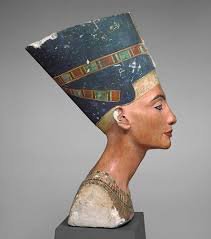
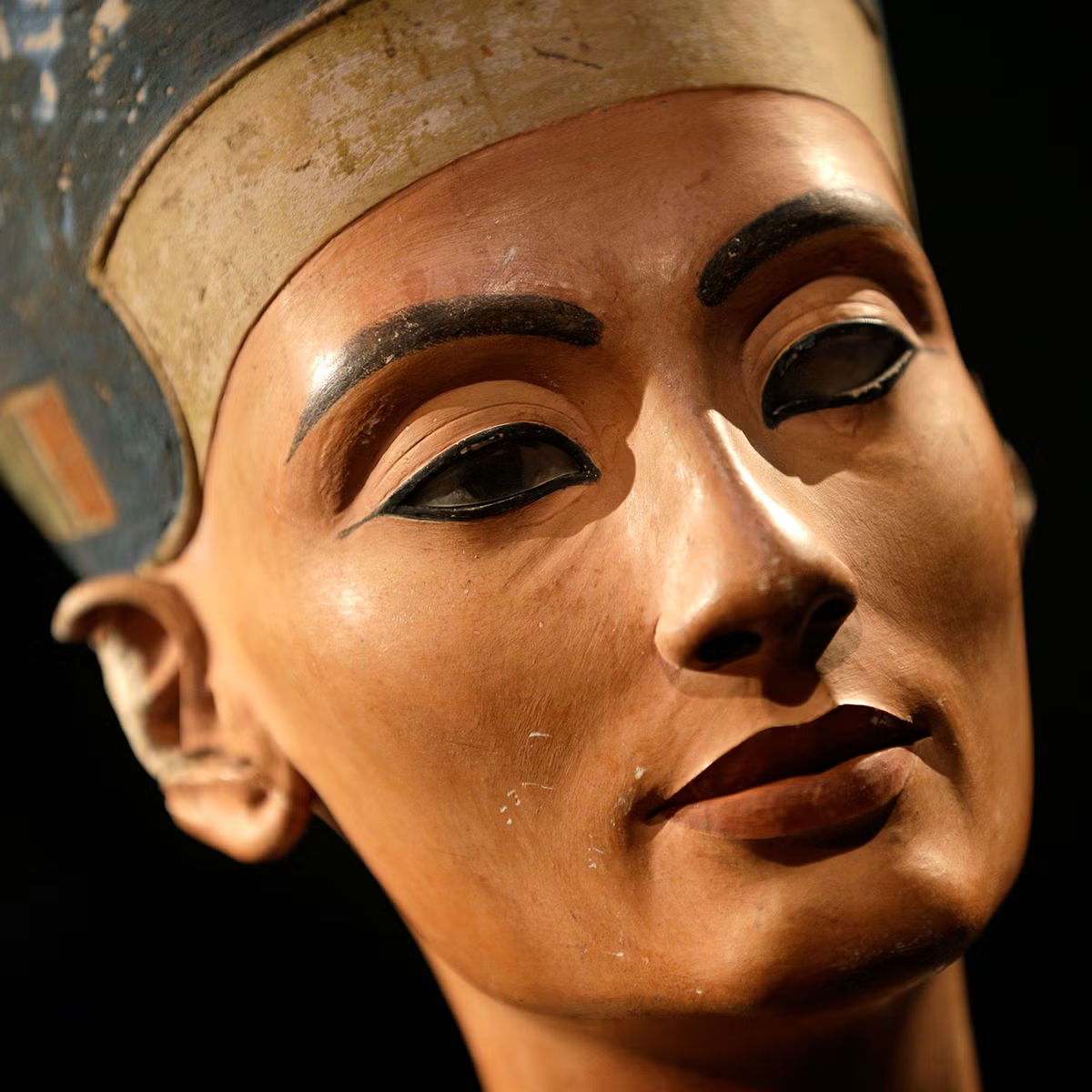
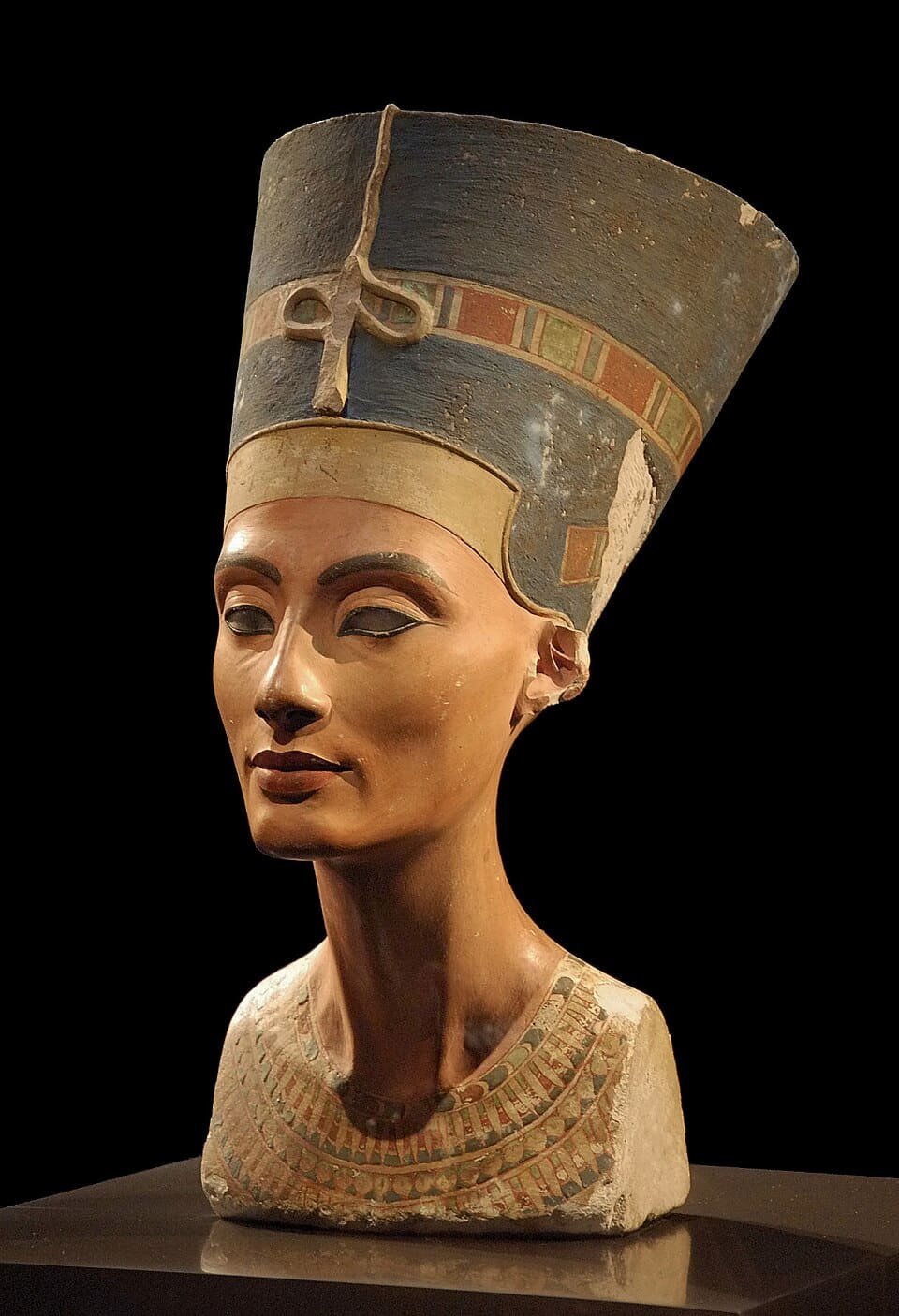
Of all the figures from ancient Egypt, none captures the modern imagination quite like Queen Nefertiti. Her name means “the beautiful one has come forth” in ancient Egyptian, and for over three thousand years, that beauty has defined her legacy. The famous painted limestone bust that bears her likeness — housed today in Berlin’s Neues Museum — is one of the most recognized and reproduced images in the history of art.
But Nefertiti was far more than a beautiful face. She was one of the most powerful women in ancient Egyptian history, co-ruling with her husband Pharaoh Akhenaten during one of the most radical and controversial episodes in Egypt’s 3,000-year history. And she vanished from the historical record at the height of her power, leaving behind one of Egyptology’s most enduring mysteries.
This complete guide explores everything we know — and everything we do not — about Queen Nefertiti: her origins, her role in the Amarna Revolution, the extraordinary bust that immortalized her, and the ongoing debate about her final years and burial.
Who Was Queen Nefertiti?
Nefertiti (c. 1370–1330 BCE) was the Great Royal Wife — the chief queen — of Pharaoh Akhenaten (reigned c. 1353–1336 BCE), who ruled Egypt during the 18th Dynasty of the New Kingdom. She appears alongside her husband in more royal monuments and inscriptions than almost any other Egyptian queen in history, and some Egyptologists believe she effectively ruled Egypt as co-pharaoh — or even as pharaoh in her own right after Akhenaten’s death.
Her origins are disputed. Some scholars believe she was Egyptian, possibly the daughter of the courtier Ay (who later became pharaoh himself). Others have proposed a foreign origin — perhaps a Mitanni princess from what is now Syria or Turkey, sent to Egypt as part of a diplomatic marriage alliance. The evidence for both theories is intriguing but ultimately inconclusive.
What is not in dispute is her extraordinary prominence during her husband’s reign. In the art and inscriptions of the Amarna period, Nefertiti appears in roles traditionally reserved for pharaohs alone: smiting enemies, performing religious rituals, and riding in a chariot. No Egyptian queen before or after her appears in these roles with such frequency or such apparent authority.
The Amarna Revolution: The World Nefertiti Shaped
Akhenaten’s Religious Transformation
When Amenhotep IV came to power around 1353 BCE, Egypt was a civilization built on religious plurality — a pantheon of hundreds of gods, served by a powerful priesthood, centered on the great temples of Amun at Karnak in Thebes (see our Karnak Temple guide).
Within the first few years of his reign, Amenhotep IV launched one of the most radical transformations in ancient history. He declared there was only one true god: Aten, the physical disc of the sun. All other gods were abolished, their temples closed, their priests stripped of power. He changed his own name from Amenhotep to Akhenaten (“Effective Spirit of Aten”). He abandoned Thebes and built an entirely new capital city from scratch in the desert of Middle Egypt: Akhetaten (modern Amarna).
This was not merely a change in religious belief. It was a political revolution that destroyed the economic power of the traditional priesthood, relocated the royal court, restructured Egyptian art dramatically, and fundamentally challenged the cosmological framework that had underpinned Egyptian civilization for a thousand years.
Nefertiti’s Role in the Revolution
Nefertiti was not a passive participant. She was an active co-architect of the Amarna period, appearing in scenes of Aten worship with equal prominence to Akhenaten. Some reliefs show her performing acts of kingship entirely independently — without Akhenaten present — which is extraordinary in Egyptian royal iconography.
The most famous image of Nefertiti from Amarna shows her wearing the iconic blue flat-topped crown (the kheperesh), a form of headgear associated with military and kingly power that had been almost exclusively male. Her wearing of this crown has been interpreted by many scholars as a deliberate statement of co-regency.
The Famous Bust of Nefertiti
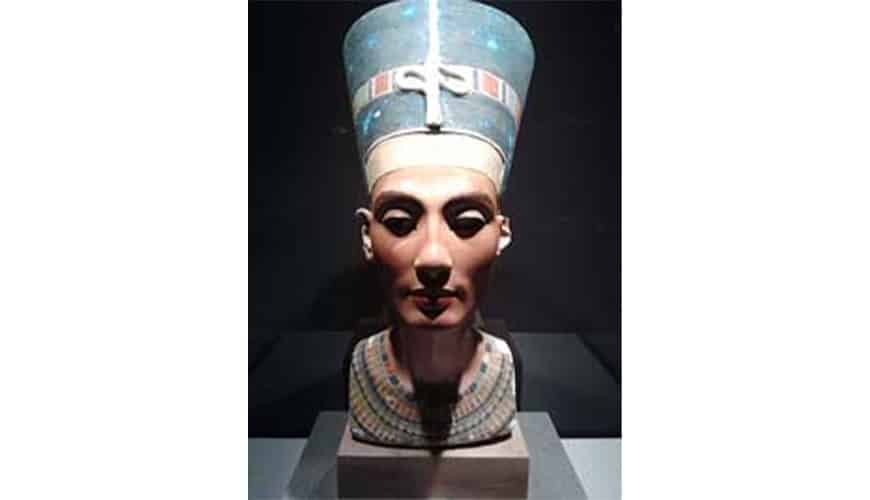
The painted limestone bust of Nefertiti, created around 1345 BCE by the royal sculptor Thutmose, is one of the most celebrated works of art from the ancient world. It was discovered on December 6, 1912, during a German archaeological expedition led by Ludwig Borchardt, in the remains of Thutmose’s workshop in Amarna.
The bust is 48 centimeters tall and weighs 20 kilograms. Its core is limestone, covered in layers of gypsum plaster modeled and painted with extraordinary precision. The face is asymmetrical in subtle ways — the right eye is inlaid with quartz and painted, while the left eye socket is empty. This asymmetry, combined with the naturalistic modeling of the face, gives the bust an uncanny sense of life.
Borchardt’s excavation diary entry reads: “Suddenly we had in our hands the most alive Egyptian artwork. You cannot describe it with words. You must see it.”
The bust was transported to Germany as part of the division of finds. It entered the public collections of the Egyptian Museum Berlin, where it went on display in 1924 and caused an immediate international sensation.
The Ongoing Return Debate
For decades, Egyptian authorities — most vocally the archaeologist Zahi Hawass — have demanded the return of the bust to Egypt, arguing it was removed under a fraudulent customs declaration that misrepresented its significance. Germany has consistently refused, and the Nefertiti bust remains the centerpiece of the Neues Museum in Berlin, where it receives millions of visitors annually.
The Mystery of Nefertiti’s Disappearance
Around year 12 of Akhenaten’s reign, Nefertiti disappears from the historical record. She simply stops appearing in monuments and inscriptions — and no explanation is given.
Theory 1: She Died
The simplest explanation is that Nefertiti died around 1340 BCE, perhaps from the plague ravaging the ancient Near East at the time.
Theory 2: She Fell from Favor
Some scholars propose that Nefertiti fell out of political favor — perhaps due to religious disagreements with Akhenaten, or because of the growing influence of a secondary wife, Kiya.
Theory 3: She Became Pharaoh
The most dramatic — and increasingly supported — theory is that Nefertiti adopted a male name and male royal iconography to rule as pharaoh in her own right.
The mysterious pharaoh known as Neferneferuaten (“Beautiful is the Beauty of Aten”), who ruled briefly after Akhenaten, is now widely believed by Egyptologists to have been Nefertiti ruling under a new throne name. If correct, Nefertiti was not merely a queen but a pharaoh — one of only a handful of women to have held absolute power in ancient Egypt.
Nefertiti and Tutankhamun: The Family Connection
Tutankhamun is generally believed to have been the son of Akhenaten, making him either Nefertiti’s son or stepson. In 2015, the British Egyptologist Nicholas Reeves proposed a controversial theory that Nefertiti’s tomb lies behind a hidden doorway in the burial chamber of Tutankhamun’s tomb (KV62) in the Valley of the Kings. Radar scans appeared to suggest concealed chambers. Subsequent investigations have been inconclusive.
The search for Nefertiti’s tomb continues. If it is ever found intact, it would rank alongside the discovery of Tutankhamun’s tomb as the greatest archaeological find of the modern era.
How to See Nefertiti-Related Sites in Egypt
Amarna (Tell el-Amarna), Middle Egypt
The ruins of Akhetaten — the city Akhenaten and Nefertiti built — survive at modern Amarna, about 300 km north of Luxor. The site includes the boundary stelae, the tombs of Amarna nobles with unique period decoration, and the remains of the royal palace.
The Egyptian Museum, Cairo
The Egyptian Museum contains significant Amarna-period objects, including colossal statues of Akhenaten from Karnak and Amarna-style relief fragments.
Luxor and the Valley of the Kings
Luxor is the closest major city to the Amarna world. Karnak Temple preserves evidence of Akhenaten’s early building program and the systematic erasure of his memory afterward. Luxor Temple also bears evidence of the Amarna period’s disruption and restoration. The Valley of the Kings contains tombs from the pharaohs immediately before and after Akhenaten.
🛥️ Visiting Luxor and Amarna on a private tour? Pure Nile Tours offers custom Egypt private tours including Amarna and Luxor, with Egyptologist guides who specialize in the New Kingdom and Amarna period. Check also our best time to visit Egypt guide to plan your trip.
Frequently Asked Questions About Queen Nefertiti
When did Nefertiti live? Approximately 1370–1330 BCE during the 18th Dynasty of Egypt’s New Kingdom.
What does Nefertiti mean? The name means “the beautiful one has come forth” in ancient Egyptian.
Where is the bust of Nefertiti? In the Neues Museum in Berlin, Germany, on display since 1924. Egypt has repeatedly requested its return without success.
Did Nefertiti become pharaoh? Many Egyptologists now believe she ruled as pharaoh under the name Neferneferuaten after Akhenaten’s death.
Is Nefertiti’s tomb known? No confirmed tomb has been identified. A 2015 theory that it lies behind a wall in Tutankhamun’s tomb has not been confirmed.
How is Nefertiti related to Tutankhamun? Tutankhamun was almost certainly Akhenaten’s son, making him Nefertiti’s biological son or stepson.
Was Nefertiti Egyptian? Her origins are unknown — she may have been Egyptian or a Mitanni princess from Syria/Turkey.
Nefertiti lived for approximately forty years in the fourteenth century BCE. She ruled at the side of — and possibly in place of — one of Egypt’s most controversial pharaohs. And then she vanished, leaving behind a mystery that has occupied scholars for over a century and a face that has captured the world’s imagination for three thousand years.
🏛️ Want to explore the Amarna world in Egypt? Pure Nile Tours creates custom private tour itineraries including Amarna, Luxor, and the Valley of the Kings — all with expert Egyptologist guides. Plan your Egypt tour →