Tutankhamun
Few historical mysteries have captured public imagination quite like the death of Tutankhamun. He ascended the throne as a child, ruled for roughly a decade, and died before the age of 20 — leaving behind one of the most spectacular tomb discoveries in archaeological history, and a death so poorly documented that scientists are still debating its cause a century later. This guide walks through the leading theories, what modern science has revealed, and why the truth may never be fully settled.
Tutankhamun: Quick Facts
Who Was Tutankhamun?
Tutankhamun became pharaoh around the age of nine, following the tumultuous religious reign of his presumed father, Akhenaten, who had attempted to shift Egypt toward the worship of a single sun god, Aten. Tutankhamun’s short reign is largely remembered for restoring traditional Egyptian religion and reopening temples that had been closed under Akhenaten’s reforms. He died young, around 18 or 19 years old, without a clear surviving heir, effectively ending his family’s direct line and eventually leading to a change in dynasty.
Despite his brief and, by ancient Egyptian standards, relatively unremarkable reign, Tutankhamun became the most famous pharaoh in the modern world after archaeologist Howard Carter discovered his nearly intact tomb in 1922 — a discovery so rich with treasures that it reshaped global fascination with ancient Egypt almost overnight.
What Do We Actually Know About His Death?
Unlike many royal deaths in ancient Egypt, no inscription or historical record directly states how Tutankhamun died. Everything modern researchers know comes from forensic analysis of his mummy, conducted through multiple studies using X-rays, CT scans, and DNA testing over the past century. These studies have produced several competing theories, none conclusively proven, and some now largely dismissed by more recent evidence.
Leading Theories on Tutankhamun’s Cause of Death
Theory 1: A Chariot Accident or Traumatic Injury
A 2010 study using CT scan data identified a severe fracture to Tutankhamun’s left leg, close to the knee, that some researchers believe occurred shortly before his death and may have become infected, potentially contributing to a fatal complication. Some researchers have speculated this injury could be consistent with a chariot accident, given his known interest in hunting and warfare as depicted in tomb artwork, though this remains inference rather than confirmed fact.
Theory 2: Malaria Combined With Genetic Weakness
The same 2010 study, led by Egyptian geneticist Zahi Hawass and an international team, found DNA evidence of malaria parasites in Tutankhamun’s remains, alongside indications of significant bone necrosis (Köhler disease II) potentially linked to inbreeding within the royal family. The researchers proposed that a combination of a leg injury, malaria infection, and an already weakened immune or skeletal system may have combined to cause his death, rather than any single definitive cause.
Theory 3: Genetic Disorders From Royal Inbreeding
DNA analysis has confirmed that Tutankhamun’s parents were likely siblings or close relatives, a practice common among Egyptian royalty intended to preserve bloodline purity. This level of inbreeding is associated with a higher likelihood of genetic disorders and physical weaknesses, and some researchers point to skeletal abnormalities found in his mummy, including a club foot and cleft palate, as evidence that his health may have been compromised from birth, making him more vulnerable to illness or injury that a healthier individual might have survived.
Theory 4: Murder (Largely Discredited)
Earlier 20th-century X-ray analysis identified what appeared to be a dense area at the back of Tutankhamun’s skull, leading to speculation in the 1960s that he may have been murdered by a blow to the head. More recent and detailed CT scan analysis in the 2000s found no clear evidence of a lethal head wound, and most Egyptologists today consider the murder theory largely discredited, viewing the earlier finding as likely a natural embalming artifact rather than trauma.
Theory 5: Sickle Cell Disease
A more recent line of research has proposed sickle cell disease as a possible contributing factor, based on skeletal characteristics and the pattern of illness suggested by the mummy’s condition. Like the other theories, this remains a proposed explanation rather than a definitively confirmed diagnosis.
Why Is the Cause of Death So Hard to Determine?
Several factors make a definitive answer unlikely to ever be reached. The mummification process itself, along with damage caused during Howard Carter’s original 1922 excavation and subsequent handling, complicates modern forensic analysis. Additionally, ancient Egyptian embalming techniques removed or altered internal organs in ways that limit what soft-tissue evidence remains available for testing. Each new study has added valuable data, but rather than converging on a single answer, the accumulated evidence increasingly points toward a combination of contributing factors rather than one clean cause.
The Discovery of Tutankhamun’s Tomb
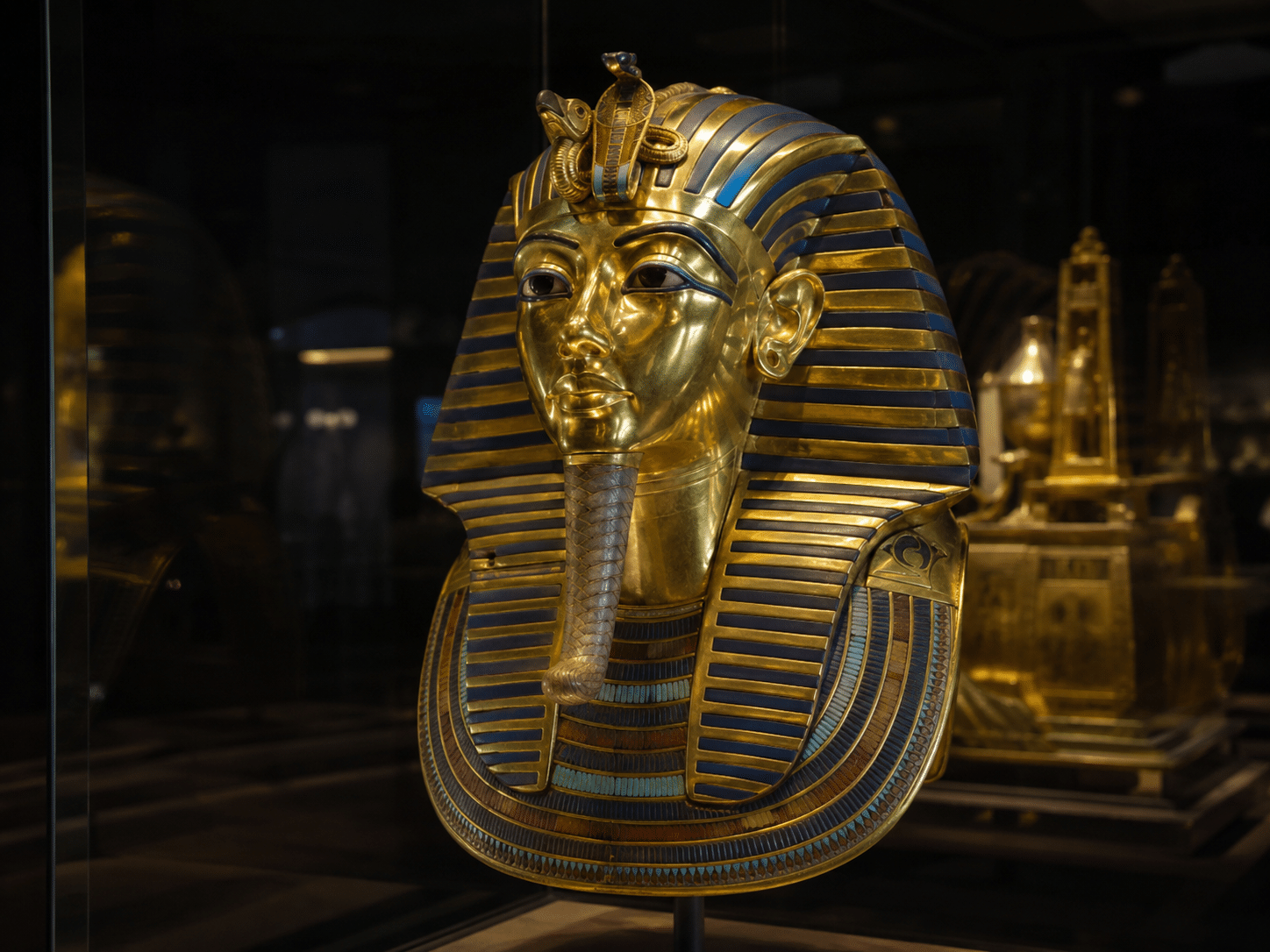
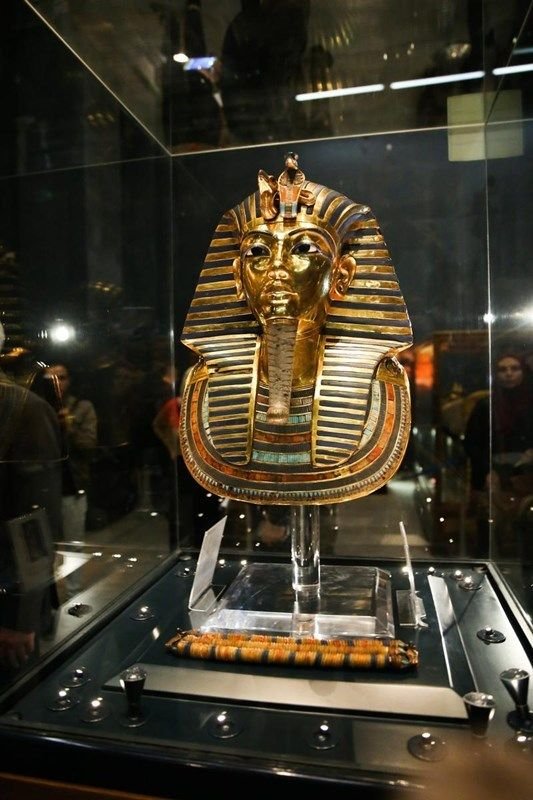
Howard Carter, funded by Lord Carnarvon, discovered Tutankhamun’s tomb (designated KV62) in the Valley of the Kings in November 1922, after years of searching. Unlike most royal tombs, which had been extensively looted in antiquity, Tutankhamun’s tomb was found remarkably intact, containing over 5,000 artifacts, including his iconic golden funerary mask, elaborate jewelry, furniture, and chariots. The sheer scale and preservation of the find remains one of the most significant archaeological discoveries of the 20th century, and much of the collection is now displayed together at the Grand Egyptian Museum.
Comparing the Leading Theories
Frequently Asked Questions
How did Tutankhamun die?
There is no single confirmed cause. Leading theories point to a combination of a leg injury, malaria infection, and genetic weaknesses linked to royal inbreeding, though no definitive conclusion has been reached.
Was Tutankhamun murdered?
Most modern Egyptologists consider the murder theory largely discredited. An earlier X-ray finding suggesting head trauma was later re-examined using more detailed CT scans, which found no clear evidence of a fatal blow.
How old was Tutankhamun when he died?
He died at approximately 18 or 19 years old, after ruling Egypt for roughly a decade, having become pharaoh around age nine.
Did Tutankhamun have any health problems during his life?
Yes, skeletal and DNA analysis have identified a club foot, cleft palate, and evidence of malaria infection, along with signs of bone necrosis, suggesting a relatively fragile constitution throughout his short life.
Why is Tutankhamun so famous if his reign was short?
His fame stems primarily from the 1922 discovery of his nearly intact tomb by Howard Carter, which contained an extraordinary collection of treasures rarely found preserved from ancient Egyptian royal burials.
Where can I see Tutankhamun’s treasures today?
The complete collection is now displayed together at the Grand Egyptian Museum near the Pyramids of Giza, having been consolidated from the previous Egyptian Museum in Tahrir Square.
Was Tutankhamun’s family affected by inbreeding?
Yes, DNA analysis confirms his parents were likely close relatives, a practice common in Egyptian royal families, which researchers believe contributed to several of his documented health issues.
Final Thoughts
A century after Howard Carter’s discovery, Tutankhamun’s death remains one of ancient Egypt’s most debated mysteries — not because evidence is lacking, but because the accumulated evidence points toward several contributing factors rather than one clean answer. What is clear is that his short, physically difficult life stands in striking contrast to the extraordinary wealth and craftsmanship buried with him, a contrast that continues to fascinate visitors and researchers alike.
🏰 Want to see Tutankhamun’s treasures in person? Pure Nile Tours offers private guided visits to the Grand Egyptian Museum and the Valley of the Kings, where his tomb was discovered. View Tours → (https://pureniletours.com)