
Quick answer: There are several different ways to cruise Egypt’s Nile, and the type of vessel matters more than a generic “5-star” label. A motor Nile cruise ship is a floating hotel with scheduled calls, a restaurant and often a pool. A dahabiya is a much smaller sailing-style boat with a quieter shared atmosphere and usually a longer, slower program. A felucca is a simple traditional sailboat, normally booked for a short ride rather than a hotel-style multi-night cruise. A heritage steamship is a specialist, historic-style experience. “Deluxe,” “luxury,” “boutique” and “suite-only” describe a market position or accommodation design; they are not separate propulsion types.
Updated: 10 October 2026. This 2026–2027 guide explains the vessels, onboard facilities, cabin differences, sightseeing patterns, typical trip lengths and booking risks. Each ship has its own published itinerary. Examples and links are informational; prices and departures are not guaranteed until confirmed in writing.
Start here: This article answers which kind of Nile boat should I choose? To compare actual named ships, use our Best Nile Cruise in Egypt by Category. For exactly what a price includes, see Nile Cruise Packages: Cruise-Only vs Guided Packages. For current price-planning factors, see our Luxor–Aswan Nile Cruise Prices.
Types of Nile Cruises in Egypt: Quick Comparison
The first four rows refer to the physical vessel or travel format. The final two entries describe service or accommodation styles that may exist on a motor ship or another type of vessel. This distinction prevents the common mistake of assuming “luxury cruise” always means a smaller boat.
| Option | What it actually is | Typical onboard experience | Main booking question |
|---|---|---|---|
| Motor Nile cruise ship | Powered multi-deck river cruise vessel | Cabins, restaurant, lounge and often sun deck/pool; organized itinerary | Which named vessel, cabin and excursion plan? |
| Dahabiya | Smaller traditional-style sailing vessel, sometimes assisted by tug or auxiliary power | Few cabins, more shared deck space per group, quiet atmosphere; slower rhythm | How many nights, who else is aboard, and how is it moved? |
| Felucca | Simple traditional sailboat, usually open or minimally sheltered | Short local sailing; most have no hotel-style private cabins or bathrooms | Is this a sunset ride or a basic multi-day adventure? |
| Historic steamship | Specialist heritage vessel with period character | Historic interiors and an atmosphere distinct from modern hotel ships | Which exact vessel and which comfort/maintenance features? |
| Deluxe / luxury | A supplier’s level of facilities, service and price—not a boat type | Depends on ship, cabin, operator and guide package | Which features and services are verifiable? |
| Suite-only / boutique motor cruiser | Cabin configuration or operating concept on a powered vessel | Potentially spacious rooms and fewer, or differently arranged, cabins | What is the suite layout, guest count and exact deck? |
One useful rule: Decide between the travel formats first, then select the individual ship and cabin. A higher-priced motor ship may still have a busier schedule than a modest dahabiya; an expensive small boat may have less convenient boarding than a larger vessel.
1. Motor Nile Cruise Ships: The Classic Floating-Hotel Experience
When travel websites advertise a “three-night Nile cruise” or “four-night Nile cruise,” they often mean a motorized multi-deck ship sailing the classic Luxor–Aswan route. Cabins and suites are usually built into a hotel-style layout, with an onboard dining room and communal space. Depending on the ship, travelers may find a swimming pool, lounge, shop, gym or spa. The presence of any specific facility must be verified; not every vessel carries all of them.
The main advantage is organized logistics. The route, meals and shore calls follow a planned rotation. That can be especially practical for a first Egypt trip, for families and for travelers connecting the cruise with Cairo or a Red Sea holiday. It does not mean excursions or entry tickets are automatically included in your cabin fare.
What a typical motor-cruise day feels like
Guests might visit an archaeological site early, return to the ship for lunch, relax while sailing and take a later excursion. At other times the ship may remain moored while guests explore Luxor or Aswan. The published boarding date is not necessarily the hour the vessel starts moving, and the first and final day can contain less sailing than expected.
For many standard operators, a three-night Aswan-to-Luxor and four-night Luxor-to-Aswan pattern is common. There are important exceptions. The Oberoi Philae, for example, publishes four-night and six-night itineraries with different sightseeing programs. Therefore you should use the calendar for the named ship, not a generalized timetable. See our Nile Cruise Departure Days Guide.
Strengths and trade-offs of a motor ship
- Useful for: travelers who prioritize defined departure dates, a selection of cabin classes, shared facilities and organized shore sightseeing.
- Potential drawbacks: more passengers, set tour times, shared moorings and sometimes less flexible dining or shore arrangements.
- Comfort check: ask about deck, windows, neighboring public areas, lift access and noise from generators or propulsion.
- Value check: verify whether tours, temple tickets, pickup services, gratuities and drinks are included in the offered price.
Examples to explore: Mövenpick MS Hamees, Le Fayan and Jaz Crown Jewel. These are examples of individual vessels, not an assertion that they all have the same inclusions, schedule or luxury level.
2. Dahabiya Nile Cruises: Small Sailing Boats With a Different Pace
A dahabiya is a traditional-style Nile sailing vessel, usually adapted with guest cabins, private bathrooms and a staffed kitchen for multi-day journeys. It generally carries far fewer guests than a typical motor-cruise ship. The appeal is not simply luxury: it is the difference in atmosphere, conversation, pace, shared space and how closely the trip feels connected to the river.
Some dahabiyas travel under sail when conditions allow and use a tugboat or auxiliary assistance when there is insufficient wind or a schedule must be maintained. A “sailing cruise” description should not be read as a guarantee of uninterrupted wind-powered movement. Confirm the operator’s actual procedure and whether it influences noise, travel time or docking.

Are dahabiyas always more private?
There are usually fewer people aboard, but that does not automatically mean a private charter. You may share the boat and a communal dining table with other bookings. If your goal is complete privacy, request the cost and conditions for booking the entire vessel. If you only need a private guide ashore, that can be arranged separately on some shared sailings.
Can a dahabiya visit more places?
Some smaller boats can use different moorings and offer riverbank or village stops not always featured in a conventional motor-cruise itinerary. However, specific sites are never guaranteed by boat type alone. Wind, navigation, permits and the purchased excursion program affect what actually happens. Always compare the day-by-day temple list.
Why departure dates matter more on small boats
For a concrete example, the official 2026–2027 calendar for Sonesta Dahabeya Amirat lists seven-night sailings. Sonesta’s separate Amirat II program includes four-night sailings. These similar names do not describe the same ship or product; choosing by the word “dahabiya” or even the Amirat name is not enough. See the Amirat calendar and the separate Amirat II calendar.
Best fit: couples, small groups, slower-travel enthusiasts and repeat visitors who can commit to the actual sailing duration. Things to verify: room size, bathroom, air-conditioning, power supply, exact sailing schedule, assistance during boarding and the shared/private nature of meals and excursions.
View Sonesta Amirat Dahabiya or compare another small-boat option such as Storia Dahabiya.
3. Felucca Sailing: A Short Traditional Ride, Not a Hotel Cruise
A felucca is a traditional small sailboat commonly used for relaxed local rides, especially around Aswan and other Nile locations. For most sightseeing visitors it means a short sail, often around sunset, with simple seating and river views. It should not be confused with a multi-night dahabiya cruise with private cabins and a dining service.
Some operators offer very basic longer felucca adventures, but sleeping, restroom, shelter, food and transport arrangements can be dramatically different from a regular cruise. Do not book a multi-night felucca journey expecting an en-suite cabin or hotel facilities unless the vendor specifically documents them.
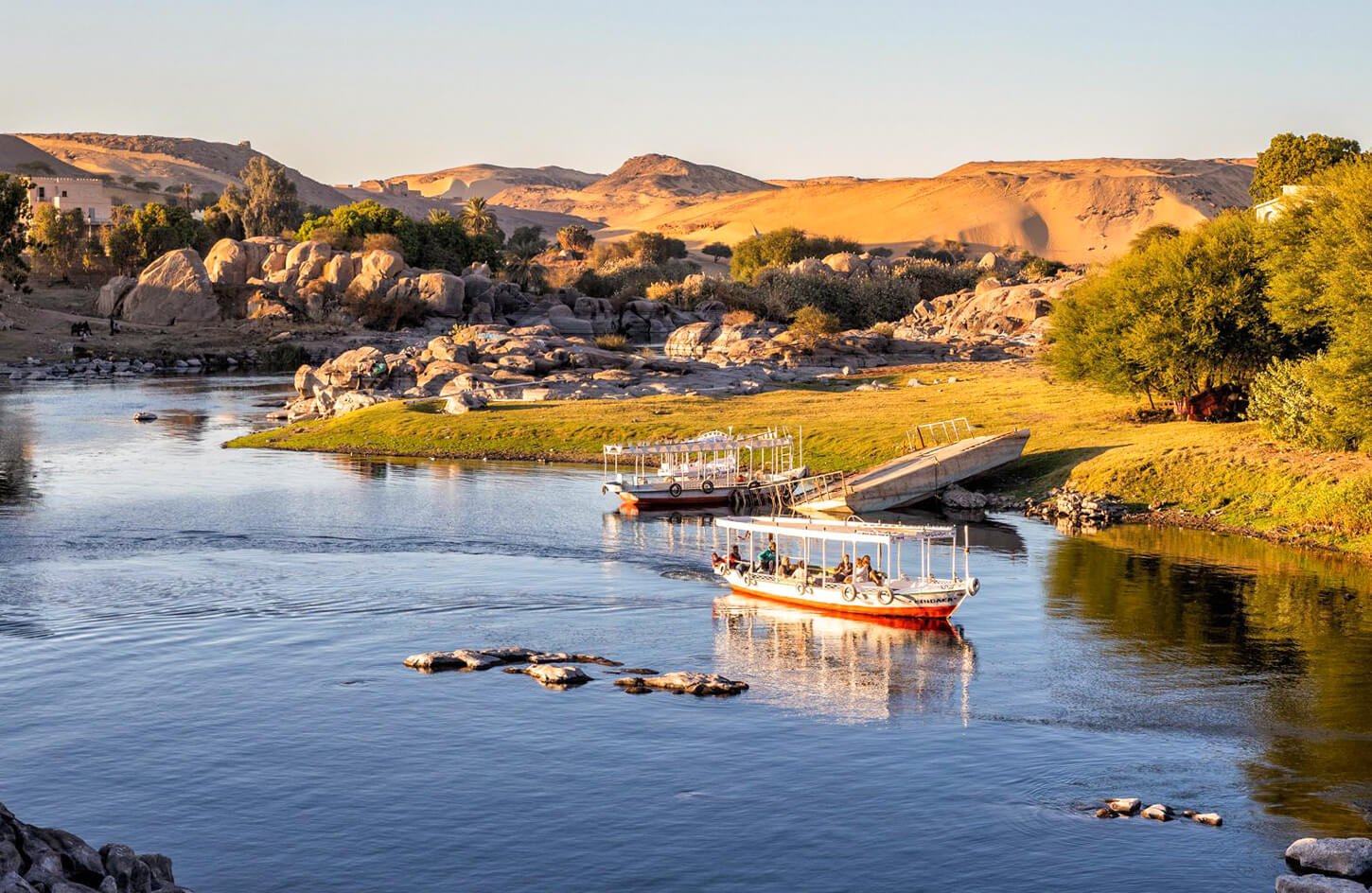
Choose a felucca if you want a simple, memorable hour or afternoon on the water while staying in a hotel or on another cruise. Choose a dahabiya if you want a serviced, multi-night small-boat journey. Choose a motor cruise ship if you prefer the facilities and organized shore itinerary of a floating hotel.
4. Historic and Heritage Nile Vessels
Some travelers are drawn to the story and character of older or heritage-styled boats rather than the newest cabin or biggest pool. A historic Nile steamship is a more specialized format: the appeal may include traditional detailing, period design and a sense of the river’s travel history. SS Sudan Nile Cruise is an example listed among Egypt river-travel options.
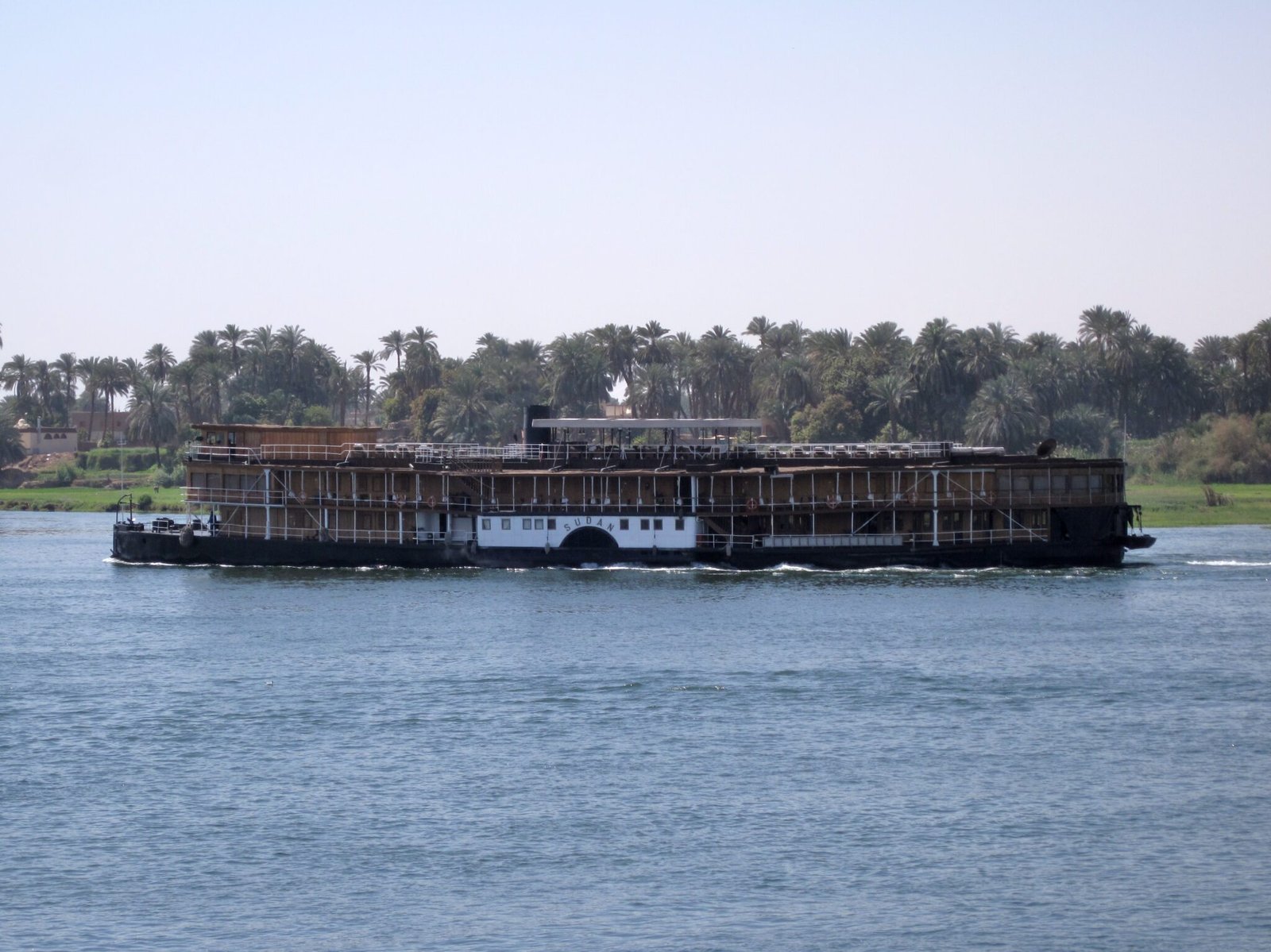
It would be a mistake to assume “historic” means either uncomfortable or automatically superior. Ask the same practical questions you would ask of a new ship: specific room, air-conditioning, bathrooms, maintenance, noise, lift availability, current schedule, and how the vessel is actually propelled or assisted today. Check whether an attractive photograph is of the ship, an interior category or an earlier refurbishment period.
5. Standard, Deluxe, Luxury and Ultra-Luxury: What Do These Labels Really Mean?
Egypt Nile cruise listings often use labels such as 5-star standard, 5-star deluxe, luxury, ultra-luxury and boutique. These words are useful marketing shorthand, but they are not a standardized comparative scorecard across every seller or international platform. Two “five-star” options can differ widely in cabin design, guiding arrangements, maintenance, meals and final cost.
A practical buyer should turn each adjective into something measurable. Instead of asking, “Is it deluxe?” ask, “What is the named cabin category, when was the current layout photographed, which facilities are available on this departure, and what is included in the final fare?”
| Marketing label | What it may signal | What it does not prove |
|---|---|---|
| Standard / value | Price-conscious accommodation with the core cruise experience | Verified condition, named excursions or entrance tickets |
| Deluxe | Potentially upgraded room finishes and onboard amenities | Consistent room sizes, private balconies or private guiding |
| Luxury | Higher positioning in cabins, dining and service | Specific suite dimensions, service guarantees or additional sites |
| Ultra-luxury | A premium market position | Independent superiority over every “luxury” competitor |
| Boutique | A distinctive design or smaller-scale experience | A particular number of guests or necessarily a sailing boat |
Important distinction: “5-star” and “suite-only” are not opposing boat types. A suite-only vessel can still be powered like a conventional river cruise. A dahabiya can offer high-end accommodation even without the full facility list of a large ship.
6. What Is a Suite-Only or Boutique Motor Nile Cruise?
A suite-only motor cruise emphasizes a particular cabin product—sometimes more generous room layouts, larger windows or fewer accommodation units—without changing the fundamental propulsion type. “Boutique” can describe a distinctive interior concept or an intentionally intimate vessel. Neither name alone guarantees a low passenger number, private balcony, personal butler or exclusive use of the ship.
Compare the published number of accommodation units, layout of the booked suite, any guaranteed outside space and the service offered in the precise room category. You may find better personal space on a well-designed suite-oriented ship than on a poorly selected deluxe double cabin, but that needs actual measurements and photographs.
Example: The Oberoi Philae offers premium river-cruise itineraries and officially publishes separate four-night and six-night programs. Its product should be compared against your desired itinerary, not merely its brand name. See the official Oberoi Philae itineraries and our Oberoi Philae listing.
Motor Nile Cruise vs Dahabiya: What Changes on the Actual Trip?
Visitors often compare ship photographs while overlooking how each format changes their mornings, shared spaces and daily logistics. The following differences are general tendencies rather than guarantees for every vessel.
| Question | Motor cruise ship | Dahabiya |
|---|---|---|
| Typical mood | Organized hotel-style river holiday | Smaller shared sailing experience |
| Guest group | Usually more passengers | Usually fewer passengers |
| Facilities | Often more public rooms; pool/spa on some ships | Often simpler facilities and shared deck areas |
| Itinerary | Scheduled stops and shore-program times | Can be slower and sometimes include alternative stops |
| Movement | Powered ship on an operator calendar | Sails when feasible; may use tug or auxiliary assistance |
| Dining | Often larger dining setup | Often smaller-group meal service |
| Privacy | Private cabin, shared ship | Private cabin, shared boat unless chartered |
| Best practical fit | Facilities, schedule flexibility, many cabin categories | Quiet, intimacy, slower river experience |
| Mobility | Some ships have lifts or accessible features | Smaller gangways and stairs may be challenging |
A key misconception: A small vessel is not automatically safer, quieter or more accessible; likewise, a large vessel is not automatically crowded or uncomfortable. Docking conditions, the actual cabin, guest mix and operator procedures can reverse those assumptions. Ask for vessel-specific evidence.
Route and Duration: Why Boat Type Affects Your Itinerary
The classic Nile corridor is Luxor, Edfu, Kom Ombo and Aswan, but the included excursions are determined by the purchased program. Larger ships commonly use short multi-night rotations. Some dahabiyas use longer itineraries, and some premium motor vessels offer specialist programs beyond the usual temple calls.
What a three- or four-night motor cruise can cover
Common highlights include Karnak, Luxor Temple, Valley of the Kings, Temple of Hatshepsut, Edfu, Kom Ombo and Philae, but it is not accurate to claim every one is included in every price. A “cruise-only” fare may cover only the cabin and meals. First-day and last-day sightseeing arrangements vary. Check the cruise package inclusions guide before comparing offers.
Why a seven-night program is not automatically twice as much sightseeing
Longer cruises may include slower sailing, a round trip, more time on the ship, different docking points or additional archaeological sites. Ask for the exact sequence and time ashore. A seven-night cruise that repeats two locations is a different experience from a longer program specifically adding Dendera, Abydos or other sites.
What about cruises starting in Cairo or on Lake Nasser?
Longer Nile journeys toward Cairo and cruises on Lake Nasser are separate itinerary categories with different routes and vessel requirements. They should not be mistaken for the standard Luxor–Aswan trip. The Abu Simbel temples are reached from Aswan or on applicable Lake Nasser programs; they are not a normal stop along the classic Luxor–Aswan river corridor. See Abu Simbel during a Nile cruise for practical timing.
Which Type of Nile Cruise Is Cheapest—and Which Is Best Value?
It is tempting to divide products into “budget motor,” “mid-range deluxe” and “expensive dahabiya.” The direction can be useful, but no universal price hierarchy holds for every date. A high-demand holiday, suite upgrade, private charter, short premium sailing or last-minute availability can change the comparison substantially.
The fair way to compare is to use equal departure windows, the total rate for your party and an itemized list of services. A motor-ship rate may exclude guided sightseeing while a dahabiya quote bundles it. A private boat charter will be priced very differently from one cabin on a shared sailing.
Do not trust an old “from” figure without a date and a specified occupancy basis. For recent planning ranges and examples, consult Nile Cruise Prices for Luxor–Aswan. For singles, check whether you are being quoted an actual single cabin or a double for sole use: Nile Cruise Single Supplement Explained.
Questions to put in every comparison quote
- Is the actual ship named, or is it “or similar”?
- Are quoted prices per cabin, per person sharing, or per single traveler?
- Are the required temple tickets and Egyptologist guide included?
- Do airport/hotel transfers cover both ends of the cruise?
- Are drinks, service charges, tips and optional excursions separate?
- What are the cancellation rules and ship-change conditions?
How Boat Type Changes Cabins, Windows, Balconies and Noise
A motor ship might offer multiple deck levels and cabin classes; a dahabiya can offer a few larger rooms; a heritage ship may have a distinctive historic layout. None of those facts tells you automatically which cabin is quiet or which has the best view.
Window vocabulary matters: “panoramic window” may be fixed glass. A “French balcony” is not always a step-out terrace. A “private balcony” should have actual outdoor standing or seating space as described in the floor plan. Before paying an upgrade, request the actual category photograph and floor plan for the specific vessel.
Noise sources differ: conventional motor vessels may produce machinery noise; smaller sailing boats can still have power generators, a tugboat or activity near the dining area. On any boat, cabins under a restaurant, sun deck or lounge can experience more foot traffic.
Next useful reading: Cabin Types on Nile Cruises and Best Deck on a Nile Cruise: Noise and Cabin Location.
Which Nile Boat Works for Families, Seniors and Accessible Travel?
Families with children
A motor ship may be convenient because of structured meal service, a pool on some vessels and more categories of rooms. But do not assume all vessels have connecting cabins or permit a third bed. A dahabiya may be wonderful for a family that enjoys a quieter group experience, while a private charter may offer more control over the guest mix. Verify the operator’s child and supervision rules.
Seniors and travelers with limited mobility
Accessibility depends on the actual vessel and every transfer point. A lift on board is helpful, but a steep boarding gangway or uneven temple path may still make an itinerary unsuitable. Ask for cabin doorway measurements, lift stops, pier arrangements, accessible vehicle options and how shore excursions are managed. A marketing statement about an accessible cabin is not a guarantee that all sites are step-free.
Solo travelers
A larger ship may offer more social opportunities but could involve a single-occupancy supplement. On a small dahabiya, the guest group is intimate and shared meals may be central to the experience. Neither is inherently better—think about your preference for privacy, meeting people and total price.
Couples and honeymoons
A small sailing vessel can feel more personal, while a luxury motor ship may offer a wider range of facilities. Ask whether your cabin has a genuinely private terrace; a romantic sundeck photograph of the ship does not prove your room has one.
When Do Motor Cruises and Dahabiyas Operate?
Many travelers choose roughly October through April because sightseeing at open-air temples is generally more comfortable than in the hottest months. But season alone does not determine whether your chosen boat sails. Some operators run through much of the year; individual vessels can have scheduled maintenance, private charters, holiday allocations or dates without departure.
Ask for a calendar for the exact vessel and journey length. Sonesta Amirat’s published seven-night schedules and Amirat II’s separate four-night dates are good examples of why one company’s boats should not be treated as interchangeable. A small-boat charter might be available on request on a date that does not appear on a group-departure calendar, but such flexibility is never guaranteed.
Simple Decision Guide: Which Nile Vessel Type Should You Choose?
| Your main priority | Start by considering | Verify before booking |
|---|---|---|
| First-time sightseeing with organized logistics | Motor Nile cruise ship | Guided excursion list, tickets and flight connections |
| Quiet small-group experience | Dahabiya | Number of cabins, sailing duration and shared vs charter |
| Premium cabins and detailed itineraries | Luxury or suite-oriented motor cruise | Suite type, guide details and official schedule |
| Short traditional sail near Aswan | Felucca | Duration, weather, boarding and comfort level |
| Historic atmosphere | Heritage vessel | Actual ship, cabin condition and current operating details |
| Limited mobility | Whichever documented vessel and itinerary meets your needs | Accessible cabin, gangway, pier, vehicle and temple access |
| Fixed flights and short schedule | Named ship with confirmed departure | Exact boarding and disembarkation dates/times |
Once you know the format, compare the individual vessels using our full ship comparison. That guide is intentionally different from this one: it evaluates named cruise products, while this page explains the types of river journey.
Seven Mistakes to Avoid When Booking a Nile Cruise Type
- Treating a five-star label as a vessel category: check the real ship, cabin and onboard features.
- Confusing Amirat with Amirat II: similar names can have different room inventories and cruise lengths.
- Assuming every dahabiya is a private charter: most cabin-by-cabin bookings are shared departures.
- Assuming a felucca has en-suite cabins: short traditional sailboats are not hotel-style cruises.
- Comparing prices for unequal durations: a three-night motor cruise and seven-night dahabiya are not like-for-like products.
- Assuming all archaeological tickets are included: compare the written excursions and admissions list.
- Booking before checking access and noise: deck, gangway, dock and cabin position matter on all vessel formats.
Frequently Asked Questions About Types of Nile Cruises
What are the main types of Nile cruises in Egypt?
The main formats are motorized cruise ships and smaller dahabiya sailing boats. Feluccas are usually used for short traditional rides, while specialist historic vessels are a separate niche. Luxury and deluxe are service tiers, not physical boat types.
Is a dahabiya a Nile cruise ship?
It is a type of Nile river cruise vessel, but its small sailing-boat format differs substantially from a larger powered cruise ship. The cabin count, trip duration and available facilities must be checked individually.
Is a dahabiya better than a motor cruise?
Neither is universally better. A dahabiya often suits slower, quieter group travel; a motor ship often suits travelers who want scheduled visits and more shared onboard facilities.
Does a dahabiya have an engine?
Traditional-style dahabiyas may rely on sail and can use a tug or auxiliary propulsion depending on the vessel and conditions. Ask the operator about the specific boat, especially if low-noise sailing is important to you.
Are all Nile cruises five-star?
No consistent cross-supplier star label should be used as proof of quality or inclusions. Evaluate the named vessel, actual room, upkeep, meals, guiding and published operator details.
Is a luxury Nile cruise necessarily a small ship?
No. Luxury is a service and price position. A premium powered ship may be larger than a dahabiya yet offer more elaborate facilities.
What does suite-only mean?
It means a cruise is marketed around suites instead of standard cabin inventory. It does not establish a fixed passenger capacity or guarantee a balcony; those details need confirmation.
Can I take a felucca from Luxor to Aswan?
Specialist multi-day felucca trips exist, but they are not equivalent to a serviced hotel-ship cruise. Most casual felucca bookings are short local rides. Confirm overnight arrangements, facilities and transport before booking any extended itinerary.
Do dahabiyas visit Karnak, Edfu and Kom Ombo?
Many multi-day programs offer major archaeological visits, sometimes using land transfers. The exact route and excursions depend on the itinerary, docking and supplier; request the site list in writing.
Which cruise type is best for families?
A motor cruise may offer more family facilities, but room configuration and child policy matter more than boat type. Some dahabiyas work well for families, particularly when chartered.
Which cruise type works best for seniors?
The best choice is the boat and shore program with verified mobility access for the individual traveler. Do not assume a large ship or a luxury label automatically solves boarding and temple-access challenges.
Do all motor Nile cruise ships leave on the same days?
No. Each operator has its own sailing rotation, often with different durations and departure weekdays. Verify the current published schedule for the exact vessel.
Is Abu Simbel included on a standard Nile cruise?
Usually it is an optional excursion from Aswan rather than a stop along the standard Luxor–Aswan cruise route. Check the booking inclusions and timetable.
Find the Right Type of Nile Cruise for Your Trip
Tell Pure Nile Tours whether you prefer a hotel-style motor ship, a smaller dahabiya, a premium suite-oriented cruise or a short traditional sail. Include your travel dates, starting city, cabin preferences, mobility needs, group size and estimated budget. We can then narrow the choices by the actual vessel and available departure, rather than relying on generic five-star labels.
Request a Vessel-Type Consultation and Written Quote or see the Nile Cruises collection.
Official Sources and Editorial Transparency
Last editorial review: 10 October 2026. Sailing duration and cabin examples were checked against operator websites. Comparisons of vessel formats describe general planning differences, not claims that every vessel in a category has identical facilities. Pure Nile Tours arranges cruises and may sell some of the travel products mentioned. We do not claim a firsthand stay on every boat, publish unverified guest scores or promise an AI search citation.
- Sonesta Amirat: official cabin and suite description
- Sonesta Amirat: official 2026–2027 seven-night calendar
- Sonesta Amirat II: separate four-night calendar
- The Oberoi Philae: published four- and six-night itineraries
- Compare named Nile cruise ships by traveler category
- Step-by-step Nile cruise booking checklist