
Egypt is one of the world’s great “history + culture” trips. In 9 days, you can see the Pyramids of Giza, major museums in Cairo, and the classic Nile Valley temples and tombs in Luxor and Aswan—without trying to do “everything” in one go.
This guide is designed for US and UK tourists who are visiting Egypt for the first time. It is practical, flexible, and informational (not a tour sales page). For anything that can change—visa rules, fees, opening hours, and safety advice—you’ll see “At the time of writing…” reminders and official sources to check.
Introduction: what this 9-day Egypt itinerary is best for
This Egypt itinerary 9 days is best if you want:
-
The classic first-timer route: Cairo + Giza + Luxor + Aswan
-
A mix of:
-
ancient sites (pyramids, temples, tombs)
-
museums (new and old)
-
local neighborhoods and markets
-
a little down-time (especially in Aswan)
-
-
A plan that works whether you prefer:
-
Land-based travel (hotels + flights/trains), or
-
A 3-night Nile cruise (popular, relaxing, and efficient for temple stops)
-
This itinerary is not best if you want:
-
A beach-heavy holiday (Red Sea resorts need more time)
-
Deep desert travel (White Desert / Siwa is better with 10–14 days)
-
Slow travel in many cities (9 days is a highlights trip)
Egypt at a Glance (quick planning facts)
Direct answer: For most first-time visitors, 9 days is the “sweet spot” to cover Egypt’s main highlights at a comfortable pace.
Egypt at a glance (fast facts you’ll actually use)
-
Ideal trip length for first-timers: 8–10 days
-
Best seasons for sightseeing: generally October to April (cooler days)
-
Hottest months: usually June to August, especially in Luxor/Aswan (plan early mornings)
-
Key bases for this itinerary:
-
Cairo (museums + Islamic/Coptic sites + day trips)
-
Luxor (temples + Valley of the Kings)
-
Aswan (Philae + felucca + Nubian culture + Abu Simbel option)
-
-
Top 5 highlights in 9 days
-
Sunrise or early morning at the Giza Pyramids
-
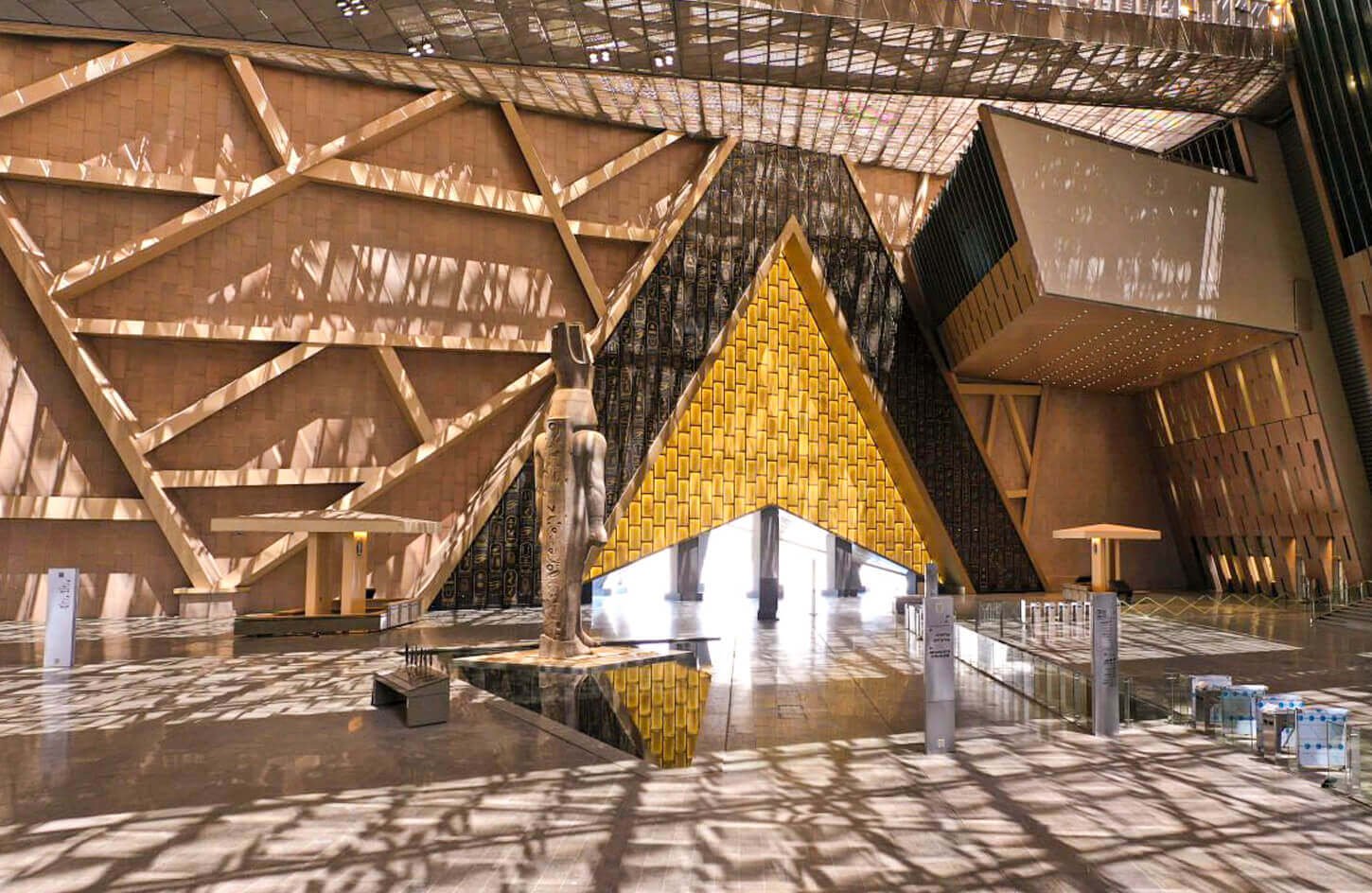
A major museum day in Cairo (Grand Egyptian Museum or Egyptian Museum + NMEC)
-
Karnak Temple (Luxor)
-
Valley of the Kings (Luxor West Bank)
-
Philae Temple + a sunset felucca (Aswan)
-
Typical sightseeing rhythm (to beat heat + crowds)
-
Early morning: big-ticket sites (Giza, Karnak, Valley of the Kings)
-
Midday: museums, lunch, rest
-
Late afternoon/evening: neighborhoods, markets, riverside walks
Table #1: Daily budget ranges (approximate)
At the time of writing, prices in Egypt can move due to exchange rates and local changes. Use these as rough planning ranges, not guarantees.
| Style | Approx daily spend (per person) | What it usually includes | Notes |
|---|---|---|---|
| Budget | $40–$70 | simple hotels/hostels, street food, public transport, a few paid sights | Big sights + domestic flights can push this higher |
| Mid-range (default) | $90–$170 | comfortable hotel, rideshare/taxis, paid sights, a guide on key days, some nicer meals | Most US/UK first-timers land here |
| Luxury | $250+ | upscale hotels, private driver, private guides, premium rooms, higher-end dining | Nile cruises can move this up fast |
“Where to sleep” quick picks (areas, not hotels)
-
Cairo: Downtown (central), Zamalek (calmer), Garden City (quiet/embassy area), Giza (close to pyramids)
-
Luxor: East Bank (easy logistics) or West Bank (quieter, scenic)
-
Aswan: Corniche/center (walkable) or a Nubian-style area vibe (more local feel)
Is 9 days enough in Egypt?
Direct answer: Yes—9 days is enough to see Egypt’s main highlights (Cairo/Giza + Luxor + Aswan) if you accept that you cannot also do long beach time and deep desert travel in the same trip.
A realistic first-time split is:
-
Cairo/Giza: 3 days
-
Luxor: 2 days
-
Aswan: 2 days
-
Travel days (flights/trains + transfers): 2 days (often overlaps with sightseeing)
If you try to add both Alexandria + Red Sea + White Desert in 9 days, the trip usually becomes rushed.
Best time to visit Egypt for 9 days (weather + crowds + Ramadan)
Direct answer: For most travelers, the best time is October to April for cooler sightseeing days. Summer can still work, but you must plan around heat.
October to April: easiest sightseeing season
-
Better for:
-
long outdoor temple visits in Luxor/Aswan
-
full days at Giza
-
desert edge trips
-
-
Trade-off: more visitors at major sites
May to September: heat management season
-
Luxor and Aswan can feel extreme in daytime heat.
-
If you travel in summer:
-
start early (often 7–8am or earlier)
-
schedule museums and long lunches midday
-
use a car/driver for comfort
-
Ramadan note (important)
-
Ramadan dates change every year (lunar calendar), so check the current calendar.
-
During Ramadan:
-
some restaurants may be closed during daylight (tourist areas still function)
-
evenings can feel lively (iftar meals, later nights)
-
it is respectful to avoid eating/drinking in public in conservative areas during daylight
-
-
For a deeper site-specific guide on timing and etiquette, use this internal resource:
Visa & entry requirements (US & UK)
Direct answer: Many US and UK tourists need a visa for Egypt. You can often use the official e‑Visa portal or a visa on arrival (airport rules and fees can change).
Egypt e‑Visa (official portal)
At the time of writing, the official Egypt e‑Visa portal states you should create an e‑Visa application at least 7 days before departure.
-
Official e‑Visa site: https://visa2egypt.gov.eg/eVisa/
-
Practical tips:
-
Use only the official portal (copycat sites exist).
-
Carry a printed copy and a digital copy.
-
If your itinerary is tight, apply early to reduce stress.
-
Passport validity (UK)
UK guidance states your passport should be valid for at least 6 months after arrival and have at least one blank page.
Visa notes (UK travelers)
UK entry guidance notes:
-
British passport holders normally need a visa.
-
Visa on arrival at approved airports is mentioned at 25 USD (cash), and it also warns that agents may charge more.
-
Rules and exceptions (for example, Sinai resort stamps) can apply—check the official UK pages before you travel.
Visa notes (US travelers)
The US State Department travel page notes:
-
US citizens must have a visa to enter Egypt.
-
It mentions visas on arrival for a fee (paid in US dollars cash) and points travelers toward the official e‑Visa site.
-
It also lists passport validity as 6 months and at least 1 blank page.
Entry rules change: what to do
-
At the time of writing, always confirm:
-
visa type (single vs multiple)
-
payment method (cash/card)
-
passport rules
-
any special rules for border crossings
-
-
Use the official sources listed at the end of this article.
Is Egypt safe for tourists right now? (practical safety)
Direct answer: Safety depends on where you go, how you move, and what the latest official advice says. Most tourist trips focus on Cairo, Luxor, and Aswan, but official advisories also highlight areas where travel is discouraged.
What official advice usually emphasizes
UK guidance warns that the FCDO advises against travel to parts of Egypt, including specific border areas and parts of Sinai, and it lists regional risk details.
US guidance lists Egypt at a “Exercise increased caution” level and highlights terrorism risks and areas where US government assistance is limited, with practical precautions like avoiding demonstrations and staying alert in tourist locations.
Simple safety rules that work in Egypt
These are practical habits (not fear-based):
-
Use licensed guides for complex sites if you want fewer hassles and clearer stories (Giza and Luxor are easier with context).
-
Expect sales pressure near major attractions:
-
“free” help that becomes a demand for money
-
unofficial “guides”
-
photo/animal ride upsells
-
-
Agree the price first (taxis, horses/camels, some souvenirs).
-
Keep small bills for tips and toilets—this prevents awkward situations.
-
Avoid political crowds and demonstrations (even if you’re only watching).
-
Be careful with photos near security/military areas and checkpoints.
-
Don’t bring a drone—US official guidance states that bringing any type of drone to Egypt is illegal.
Common scams and annoyances (and how to handle them)
-
“This is closed” (it often isn’t)
-
Response: check the entrance yourself or ask official staff at the gate.
-
-
“Best viewpoint / secret entrance”
-
Response: use official entrances and ticket lines.
-
-
Overpriced taxi rides
-
Response: use ride-hailing where available, or insist on meter/price before entry.
-
-
ATM “helpers”
-
Response: use ATMs inside banks/malls; keep your PIN covered.
-
Solo female travelers: realistic tips
US guidance notes women may face special health and safety concerns.
Practical steps many travelers find helpful:
-
Dress in a way that reduces attention (see dress section below)
-
Use ride-hailing when possible, especially at night
-
Choose hotels with strong reviews for security and front desk support
-
In busy markets: move with purpose; ignore comments; step into a shop/café if needed
Night safety
-
Cairo is a late city, but traffic and crowds can be intense.
-
At night:
-
stick to well-lit areas (Downtown, Zamalek main streets)
-
avoid long walks alone on empty streets
-
use ride-hailing for longer distances
-
Health prep (CDC-based) + travel insurance
Direct answer: Before you go, review CDC guidance, consider travel vaccines, and plan for heat, stomach issues, and medical coverage.
CDC highlights for Egypt (what to discuss with a clinician)
CDC’s Traveler View for Egypt includes recommendations such as:
-
Hepatitis A for unvaccinated travelers
-
Typhoid for most travelers, especially if visiting smaller cities or rural areas
-
Routine vaccine readiness (CDC also flags global measles trends and stresses full vaccination)
CDC info changes as outbreaks change, so check the CDC page close to departure.
Food and water safety (simple rules)
-
Drink sealed bottled water (or water you trust from your hotel).
-
Avoid raw salads in places you’re unsure about.
-
Choose busy restaurants (high turnover helps freshness).
-
Carry oral rehydration salts if you have a sensitive stomach.
Heat plan (especially Luxor/Aswan)
-
Start early and rest midday.
-
Wear a hat and sunscreen.
-
Carry more water than you think you need.
Travel insurance (what matters in Egypt)
Consider insurance that covers:
-
emergency medical care
-
medical evacuation (especially if you’re doing desert trips)
-
trip disruption (weather, delays, schedule changes)
Getting around Egypt (flights vs trains vs buses vs taxis/metro)
Direct answer: For a 9-day route, domestic flights save time. Trains can be a cultural experience, but they can also reduce your sightseeing time. In Cairo, the Metro and ride-hailing can be easier than street taxis.
Big picture: what to choose for a 9-day trip
-
If you hate wasting time: fly between Cairo and Upper Egypt (Luxor/Aswan).
-
If you prefer slower travel and don’t mind long rides: consider overnight train (availability and booking rules can change).
-
If you’re budget-focused: buses can work on some routes, but comfort varies.
Cairo city transport
-
Cairo Metro: useful to avoid traffic; check the official maps and updates before you rely on a route.
-
Ride-hailing: Uber lists Cairo service on its official city page.
-
Airport transfers: pre-arrange through your hotel if you want less negotiation.
Table #2: Transport comparison (flight vs train vs bus)
Times and comfort can vary by operator and season. At the time of writing, always confirm schedules on official sites.
| Option | Best for | Pros | Cons | Booking tip |
|---|---|---|---|---|
| Domestic flights | Tight itineraries | Saves hours; less fatigue | More expensive; baggage rules | Use EgyptAir official site for schedules |
| Train (incl. overnight) | Experience + budget balance | City-center to city-center | Can be long; comfort varies | Confirm current rules close to travel |
| Intercity bus | Budget routes | Often cheaper | Longer rides; comfort varies by class | Use Go Bus official site for main routes |
| Nile cruise (3–4 nights) | Relaxed sightseeing | “Hotel moves for you”; scenic | Fixed schedules; can cost more | Book reputable operators; read inclusions carefully |
Official booking references you can start from:
-
Go Bus official site: https://go-bus.com/en
-
EgyptAir official site: https://www.egyptair.com/
Where to stay for this itinerary (neighborhood guide)
Direct answer: Choose locations that reduce daily friction: central Cairo for museums, East Bank Luxor for logistics, and the Aswan Corniche area for walkability.
Cairo: best areas for first-timers
-
Downtown (near Tahrir / central Cairo)
-
Pros: central, museums nearby, lots of food
-
Cons: noisy, traffic
-
-
Zamalek
-
Pros: calmer, cafés, good for evenings
-
Cons: you still face traffic crossing bridges
-
-
Garden City
-
Pros: quiet, more “residential,” often feels secure
-
Cons: fewer budget options
-
-
Giza (near pyramids)
-
Pros: early access to Giza Plateau
-
Cons: far from many Cairo sights; traffic into Cairo can be heavy
-
Luxor: East Bank vs West Bank
-
East Bank
-
Pros: easier for tours, more restaurants, transport
-
Best for: first-timers doing Karnak + Luxor Temple + day trips
-
-
West Bank
-
Pros: quieter, closer to tombs, scenic
-
Best for: slower mornings, relaxing evenings
-
Aswan: where it feels easiest
-
Corniche/center
-
Pros: walkable, restaurants, easy boat access
-
-
Nubian-side vibe
-
Pros: cultural feel, colorful villages
-
Cons: more boat/car steps
-
What to pack for Egypt (comfort + etiquette)
Direct answer: Pack for sun, dust, and respectful clothing—plus comfortable shoes.
Core list:
-
light layers (breathable fabric)
-
a light scarf or shawl (sun + religious sites)
-
comfortable closed-toe walking shoes
-
sunscreen + hat + sunglasses
-
small daypack (zippers help)
-
tissues + hand sanitizer
-
power adapter (Egypt commonly uses European-style plugs; confirm for your devices)
Top things to do in Cairo & Giza (3-day bucket)
Direct answer: Prioritize Giza early, use museums for midday, and do Islamic/Coptic Cairo for culture beyond pharaohs.
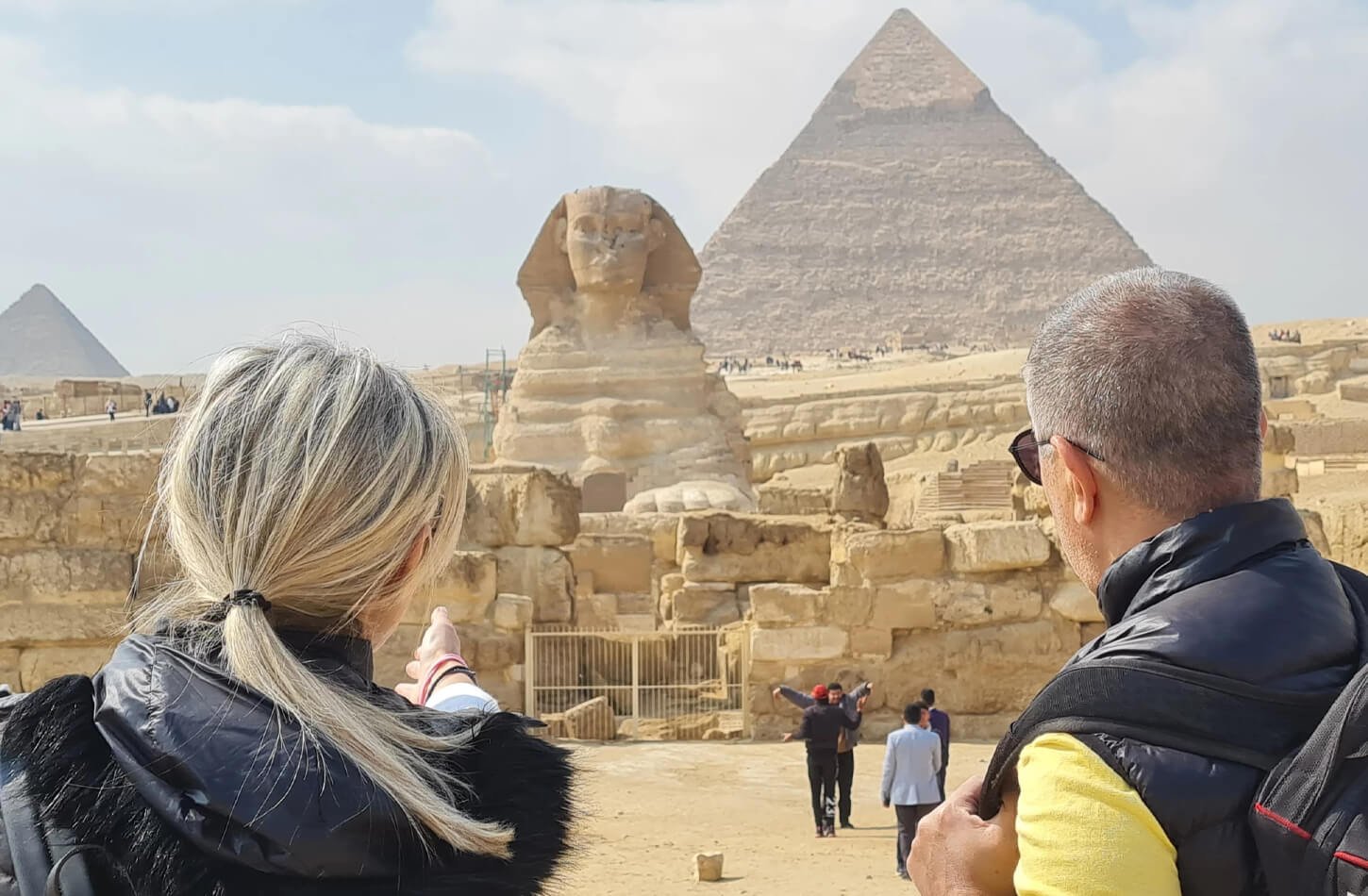
1) Giza Plateau (Pyramids + Sphinx) — do it early
Practical tips:
-
Arrive early for better light and fewer crowds.
-
Expect persistent sellers—keep polite but firm “no, thank you.”
-
If you want a calmer experience, focus on:
-
one or two major viewpoints
-
one “extra” (camel ride OR inside a pyramid OR panoramic point)
-
Include this internal planning resource for timing:
2) Choose your museum day: GEM vs Egyptian Museum + NMEC
At the time of writing, the Grand Egyptian Museum (GEM) publishes planning info (including opening hours) on its official “Plan Your Visit” page.
A practical strategy:
-
Morning: museum highlights
-
Lunch + rest
-
Late afternoon: Old Cairo or a market
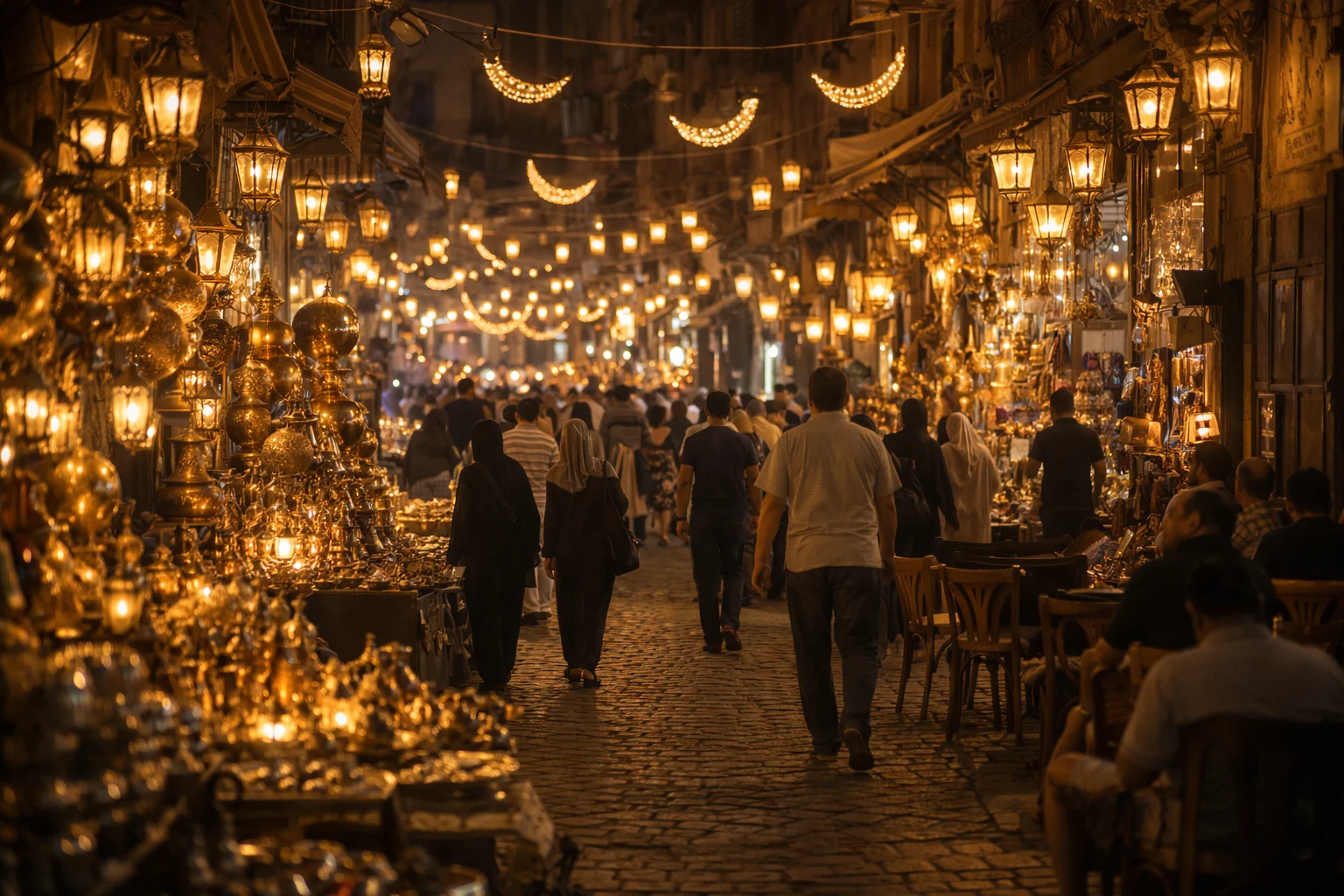
3) Islamic Cairo + Khan el‑Khalili (classic street life)
-
Walk key streets and choose 1–2 landmark stops.
-
Shop with a plan:
-
pick 2–3 items you actually want (spices, brass, textiles)
-
ask for a price, then decide calmly
-
don’t bargain if you don’t intend to buy
-
4) Coptic Cairo (adds depth to the story)
-
Great if you want more than “pharaohs only.”
-
Dress modestly and keep voice low in religious spaces.
Cairo/Giza image (provided)
Top things to do in Luxor (temples + tombs)
Direct answer: Luxor is where ancient Egypt feels biggest. Plan one full East Bank day and one full West Bank day.
East Bank (Karnak + Luxor Temple)
-
Karnak Temple is massive—go early.
-
Luxor Temple works well later in the day (and can be beautiful at sunset).
UNESCO lists “Ancient Thebes with its Necropolis” as a World Heritage Site, covering major Luxor areas like Karnak, Luxor, and the Valley of the Kings.
West Bank (Valley of the Kings + Hatshepsut)
-
Start early (heat + crowds)
-
Don’t try to “see every tomb”—choose a few with guidance
-
Add the Temple of Hatshepsut for architecture and views
Optional:
-
sunrise hot air balloon (weather-dependent; safety standards vary—choose carefully)
Top things to do in Aswan + Abu Simbel option
Direct answer: Aswan is slower and scenic. Combine temples with river time.
Aswan “core” highlights
-
Philae Temple (boat access; plan a couple of hours)
-
Felucca sail at sunset (simple, memorable)
-
Nubian culture experiences (villages, crafts, food)
UNESCO also lists the “Nubian Monuments from Abu Simbel to Philae,” including Philae and Abu Simbel.
Abu Simbel (optional, big day)
-
This is usually a very early start and a long travel day.
-
Best for travelers who:
-
love monumental temples
-
are okay with a long drive or flight add-on
-
-
If your energy is limited, it can be smarter to stay in Aswan and enjoy a slower day.
Optional add-ons (Alexandria, Red Sea, desert)
Direct answer: In 9 days, add-ons should be “one swap,” not “everything.”
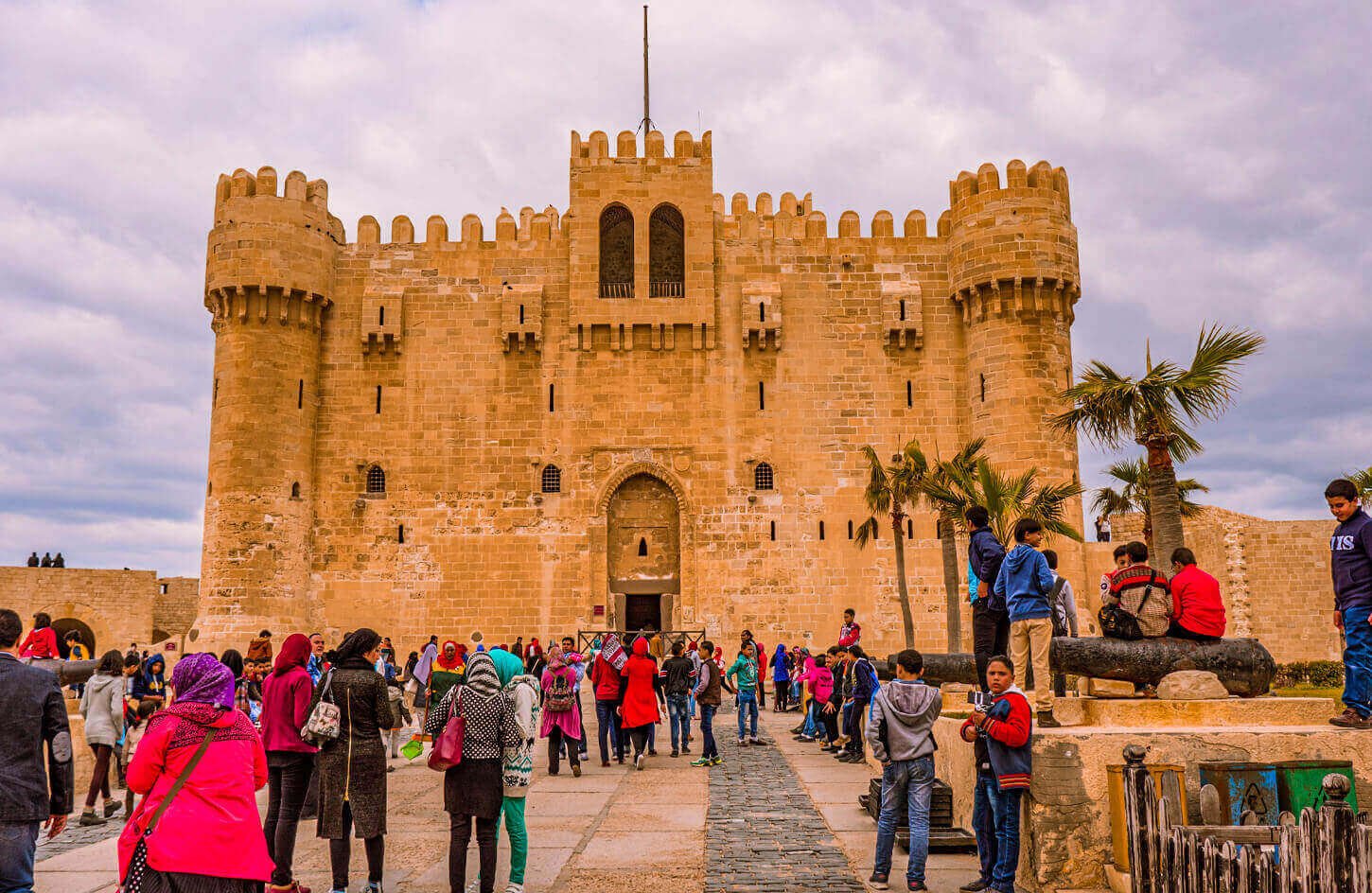
Option A: Alexandria (best as a day trip or 1 night)
-
Works well if you want Mediterranean vibes and a change of pace.
-
Best swap: replace one Cairo day.
Alexandria image (provided)
Option B: Red Sea (Hurghada / Sharm)
-
Better with 10–14 days.
-
In 9 days, it can work only if you remove Aswan or Luxor time (not ideal for first-timers).
Option C: Desert (White Desert / Siwa)
-
Usually needs extra buffer days.
-
Consider it a “next trip” unless you extend beyond 9 days.
Detailed Egypt itinerary 9 days (day-by-day)
Direct answer: This is the classic first-time plan: Cairo/Giza + Luxor + Aswan, with an optional Nile cruise structure.
Below is a balanced 9-day Egypt itinerary that keeps travel efficient.
Table #3: Egypt itinerary 9 days (core plan)
This table shows a flight-friendly plan. If you prefer trains, swap flights for rail on travel days (but expect longer transit).
| Day | Base | Morning | Afternoon | Evening | Notes |
|---|---|---|---|---|---|
| 1 | Cairo | Arrive + hotel check-in | Rest / light walk | Easy dinner | Keep it light after flying |
| 2 | Cairo | Giza Pyramids + Sphinx | Optional Saqqara OR museum | Early night | Start early to beat crowds |
| 3 | Cairo | Major museum (GEM or Egyptian Museum/NMEC) | Old Cairo (Coptic) | Khan el‑Khalili | Mix indoor + outdoor |
| 4 | Aswan | Fly to Aswan | Philae Temple | Felucca sunset | More relaxed day |
| 5 | Aswan | High Dam / Unfinished Obelisk | Nubian experience OR free time | Riverside dinner | Optional: prep for Abu Simbel |
| 6 | Luxor | Travel to Luxor (flight/train) | Luxor Temple or local museum | Calm evening | Save energy for West Bank |
| 7 | Luxor | Karnak Temple early | Rest / lunch | Sunset stroll | Luxor days are intense—pace yourself |
| 8 | Luxor | Valley of the Kings early | Hatshepsut Temple | Pack + early night | Optional balloon (early) |
| 9 | Cairo (or depart) | Fly/train back if needed | Last-minute shopping | Depart | Leave buffer time for traffic |
Want a 3-night Nile cruise instead?
A common alternative structure is:
-
Cairo (Days 1–3)
-
Fly to Aswan (Day 4)
-
Cruise nights 4–6 (Aswan → Kom Ombo/Edfu → Luxor stops)
-
Luxor (Days 7–8)
-
Return/Depart (Day 9)
For a deeper planning walkthrough, use this internal resource:
Alternative itineraries: 7-day and 10–14-day options
Direct answer: If you have less time, focus on Cairo + Luxor. If you have more time, add the Red Sea or Alexandria + desert.
7-day Egypt itinerary (fast classic)
-
Days 1–3: Cairo + Giza
-
Days 4–7: Luxor (East/West Bank + one slower day)
-
Optional: a quick Aswan add-on only if you fly and move fast
10–14-day Egypt itinerary (more comfortable)
Add one “module”:
-
Red Sea (3–5 days) for snorkeling/diving and rest
OR -
Alexandria (1–2 days) + extra Cairo
OR -
Desert (2–4 days) (White Desert / Siwa) with careful planning
Budget & average costs (what to expect)
Direct answer: Egypt can be good value, but big-ticket items (flights, cruises, guides, entrance tickets) shape the final cost.
What usually drives cost up
-
Domestic flights (time-saving, but adds cost)
-
Private drivers for long days (comfort and speed)
-
Nile cruise inclusions (cabins, meals, shore excursions)
-
Multi-site days (tickets add up)
What usually keeps cost down
-
Eating local (koshari, ful, grilled meats, bakeries)
-
Using Metro/ride-hailing in Cairo instead of private cars
-
Fewer “paid extras” (camel rides, special tomb tickets, photo passes)
Money, cards, and limits
-
Carry small cash for tips and small purchases.
-
The US State Department page lists currency guidance such as entry/exit thresholds (example: “less than $10,000”).
-
ATMs are common in cities; use machines inside banks when possible.
Food & drink basics (what to try + alcohol note)
Direct answer: Egyptian food is filling, affordable, and easy to enjoy if you follow basic hygiene habits.
Must-try foods
-
Koshari (lentils, rice, pasta, tomato sauce, crispy onions)
-
Ful medames (fava beans, often breakfast)
-
Ta’ameya (Egyptian falafel made from fava beans)
-
Molokhia (herby green stew)
-
Grilled kofta/kebab with bread and salads (choose busy places)
Water and ice
-
Bottled water is the safe default for most visitors.
-
Ice is usually fine in reputable hotels, but be careful in small places.
Alcohol in Egypt (practical note)
Alcohol is available in Egypt, usually in licensed hotels and some restaurants in major tourist areas. Availability can vary by city and venue, and it may be limited during religious holidays.
Culture, dress code & etiquette (simple rules)
Direct answer: Modest clothing and polite behavior reduce hassle and show respect—especially in religious areas.
What to wear (simple, realistic)
-
Women: shoulders and knees covered is a safe default; a scarf helps for mosques
-
Men: avoid shirtless beachwear away from resorts; long pants help in religious areas
-
In resort towns, dress is more relaxed than in conservative neighborhoods
Etiquette basics
-
Greeting: “Salaam alaikum” is appreciated
-
Use your right hand for giving/receiving when possible
-
Ask before photographing people
-
Bargain calmly—smiling helps more than pressure
Tipping (baksheesh) basics
Tipping is common for small services. Practical approach:
-
Carry small notes/coins
-
Tip small amounts for helpful service (toilets, porters, minor assistance)
-
For guides/drivers: tip is often expected if service is good (amount depends on group size and service level)
SIM/eSIM & internet
Direct answer: Cairo and major tourist cities have good mobile coverage. eSIM is convenient; physical SIM can be cheaper.
-
eSIM: set up before you fly (good for arriving connected)
-
Physical SIM: buy at the airport or official mobile shops (bring passport/ID)
Practical tips checklist (avoid common mistakes)
Direct answer: The biggest Egypt travel mistakes are rushing, under-planning transfers, and over-engaging with scams.
Checklist:
-
Build traffic buffer into Cairo days
-
Start big sites early
-
Keep cash + small change
-
Confirm prices before any “extras”
-
Keep copies of passport + visa
-
Dress modestly for religious sites
-
Respect photography restrictions
-
Choose experiences that support locals:
-
local craft workshops
-
community-led meals/classes
-
reduce plastic waste (refill where safe)
-
For deeper reading on logistics and museums (internal resources):
-
https://pureniletours.com/navigating-public-transportation-in-egypt/
-
https://pureniletours.com/exploring-egyptian-museums-and-galleries/
Frequently Asked Questions
1) Is Egypt safe to visit right now?
At the time of writing, both the UK FCDO and US State Department provide detailed guidance and list specific regions where travel is advised against or discouraged.
For most tourists, trips focus on Cairo, Luxor, and Aswan, while avoiding higher-risk border and Sinai areas.
Practical safety steps:
-
avoid demonstrations and crowds
-
stay alert in tourist locations
-
use ride-hailing or trusted drivers at night
2) Do US citizens need a visa for Egypt?
Yes. The US State Department states that visas are required for US citizens to enter Egypt.
At the time of writing, it also notes options such as an e‑Visa via the official portal and a visa on arrival for a fee (paid in US dollars cash).
Always confirm the latest rules before flying.
3) Do UK citizens need a visa for Egypt?
UK guidance says British passport holders normally need a visa.
It also explains that some Sinai resort stays may have different short-stay stamp rules, but if you plan to travel beyond those areas, you generally need a visa.
4) How early should you apply for the Egypt e‑Visa?
At the time of writing, the official e‑Visa portal states you should create an e‑Visa application at least 7 days before departure.
Apply earlier if your plans are fixed, in case you need to re-upload documents or correct details.
5) How much does a 9-day trip to Egypt cost?
Costs vary a lot by comfort level and whether you add flights, private drivers, and a Nile cruise.
A rough planning approach:
-
Budget: often $1,000–$1,800 (excluding international flights)
-
Mid-range: often $2,000–$3,800 (excluding international flights)
-
Luxury: $5,000+ (excluding international flights)
At the time of writing, treat all ranges as approximate because exchange rates and local pricing can change quickly.
6) Is the Nile cruise worth it?
For many first-time visitors, yes—because:
-
your “hotel moves” while you rest
-
it breaks up long travel
-
you see classic stops like Edfu/Kom Ombo without extra planning
But it may not be worth it if:
-
you dislike fixed schedules
-
you prefer choosing your own restaurants each night
-
you want more time in Cairo instead
7) Best way to travel from Cairo to Luxor: flight or train?
Direct answer: If your priority is time, fly. If your priority is experience/budget balance, consider a train (but confirm current comfort and booking options close to travel).
For a 9-day itinerary, flights often protect sightseeing time.
8) Is Uber available in Cairo?
Uber lists Cairo service on its official city page.
Even with ride-hailing, always confirm:
-
license plate matches the app
-
you are getting into the correct car
9) Can you drink tap water in Egypt?
Most tourists avoid tap water and choose sealed bottled water, especially for short trips.
If you have a sensitive stomach:
-
skip ice in small places
-
avoid raw salads where hygiene is uncertain
-
carry rehydration salts
10) What should women wear in Egypt?
A practical default:
-
cover shoulders and knees in cities and religious places
-
choose loose, breathable fabrics
-
bring a scarf for mosques or windy temple sites
Resort areas are more relaxed than conservative neighborhoods.
11) Can you drink alcohol in Egypt?
Yes, alcohol is available in Egypt, especially in licensed hotels and some restaurants in major tourist areas. Availability varies by venue and city.
12) How much should you tip in Egypt?
Tipping is common for services. A simple approach:
-
keep small bills
-
tip small amounts for small services
-
tip guides/drivers if service is good (amount depends on day length and service level)
13) How many days in Cairo vs Luxor vs Aswan?
A strong first-time split in 9 days:
-
Cairo/Giza: 3 days
-
Luxor: 2 days
-
Aswan: 2 days
-
Travel buffers: 2 days (some overlap)
14) Is the Grand Egyptian Museum (GEM) open, and how do you plan a visit?
At the time of writing, GEM provides visitor planning information (including opening hours) on its official “Plan Your Visit” page.
Always confirm current hours, ticketing, and gallery access on the official site before you go.
15) What vaccines do you need for Egypt?
CDC guidance for Egypt includes recommendations such as Hepatitis A (for unvaccinated travelers) and Typhoid (for many travelers), plus being up to date on routine vaccines.
Talk to a travel clinician for advice based on your health and planned activities.
16) What areas should tourists avoid in Egypt?
At the time of writing, UK guidance lists regions where it advises against travel (for example, parts of Sinai and certain border areas).
US guidance also describes areas where assistance is limited and warns about terrorism risks in certain regions.
Check official maps and the latest wording close to departure.
17) Is 9 days enough to see the pyramids, Luxor, and Aswan?
Yes—if you keep your route focused on the “classic triangle” and use flights or carefully planned transfers. The main risk is overpacking days with too many extras.
18) Do you need a guide at the pyramids?
Not required, but many first-timers find a guide helpful because:
-
the site is large and can be confusing
-
it reduces hassle and improves context
-
you get a clearer story instead of random facts
19) What is the best time of day to visit the Pyramids of Giza?
Early morning is usually best for:
-
cooler temperatures
-
fewer crowds
-
better photos
For deeper timing tips, use this internal guide:
20) What are the top scams to watch for in Egypt?
Common issues:
-
“free help” that becomes a demand
-
unofficial guides
-
inflated taxi quotes
-
“this is closed” misinformation
Best defense:
-
polite refusal
-
confirm at official entrances
-
agree prices in advance
Suggested External Links
-
Egypt e‑Visa Portal (official applications + timing guidance)
Official Egypt e‑Visa portal -
UK FCDO Egypt Travel Advice (safety + regional risks)
UK FCDO Egypt travel advice -
UK FCDO Egypt Entry Requirements (passport validity + visa notes)
UK Egypt entry requirements -
US State Department Egypt Travel Advisory (safety + entry/exit basics)
US State Department Egypt travel advisory -
CDC Egypt Traveler View (vaccines + health guidance)
CDC travel health guidance for Egypt -
Go Bus (official intercity bus booking site)
Go Bus official website -
EgyptAir (official flight schedules and booking)
EgyptAir official website -
Cairo Metro official maps (route planning)
Cairo Metro official maps -
Grand Egyptian Museum (official planning info)
Grand Egyptian Museum plan your visit -
UNESCO World Heritage: Luxor/Thebes & Nubian Monuments
UNESCO: Ancient Thebes with its Necropolis
UNESCO: Nubian Monuments from Abu Simbel to Philae