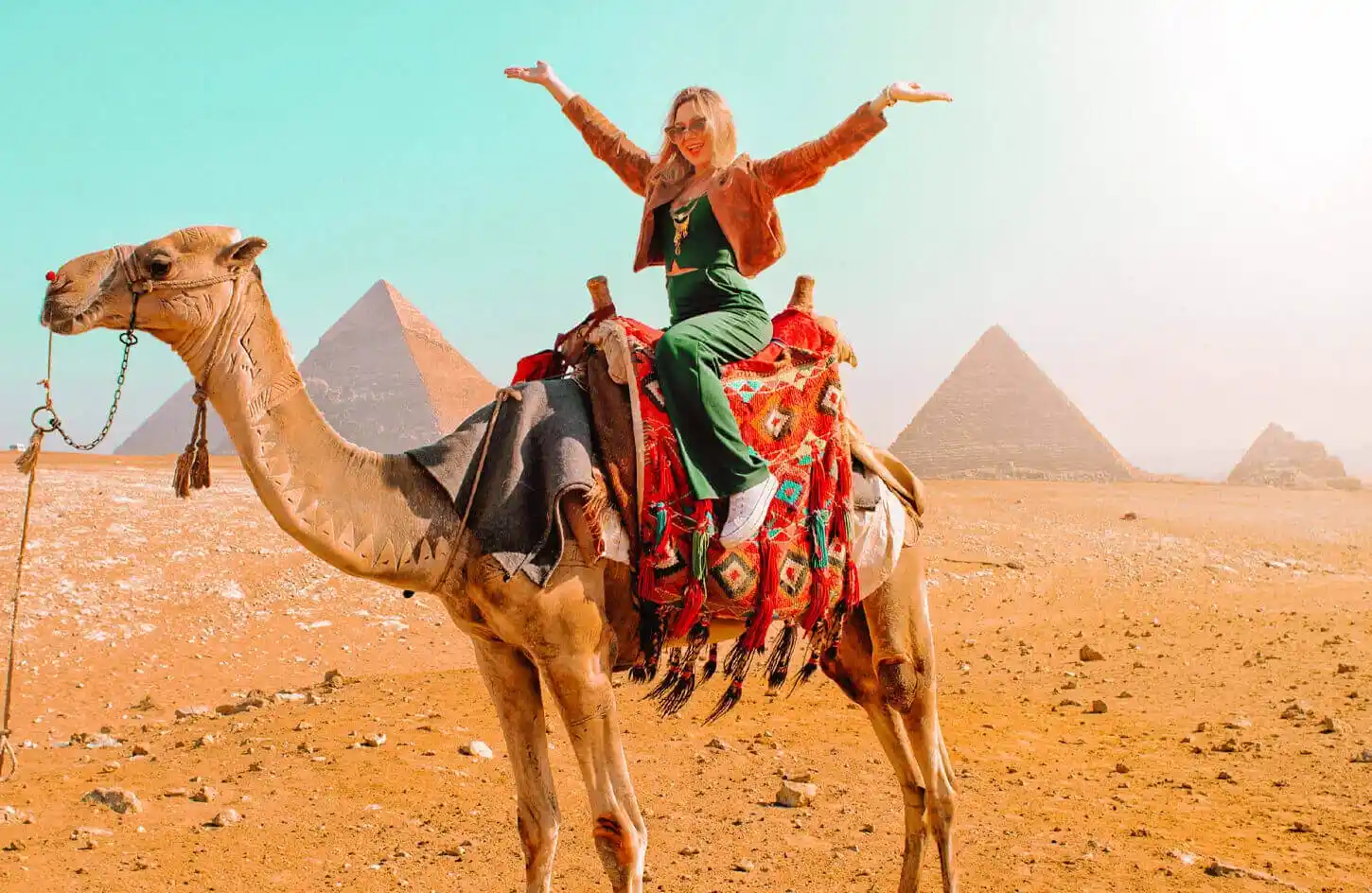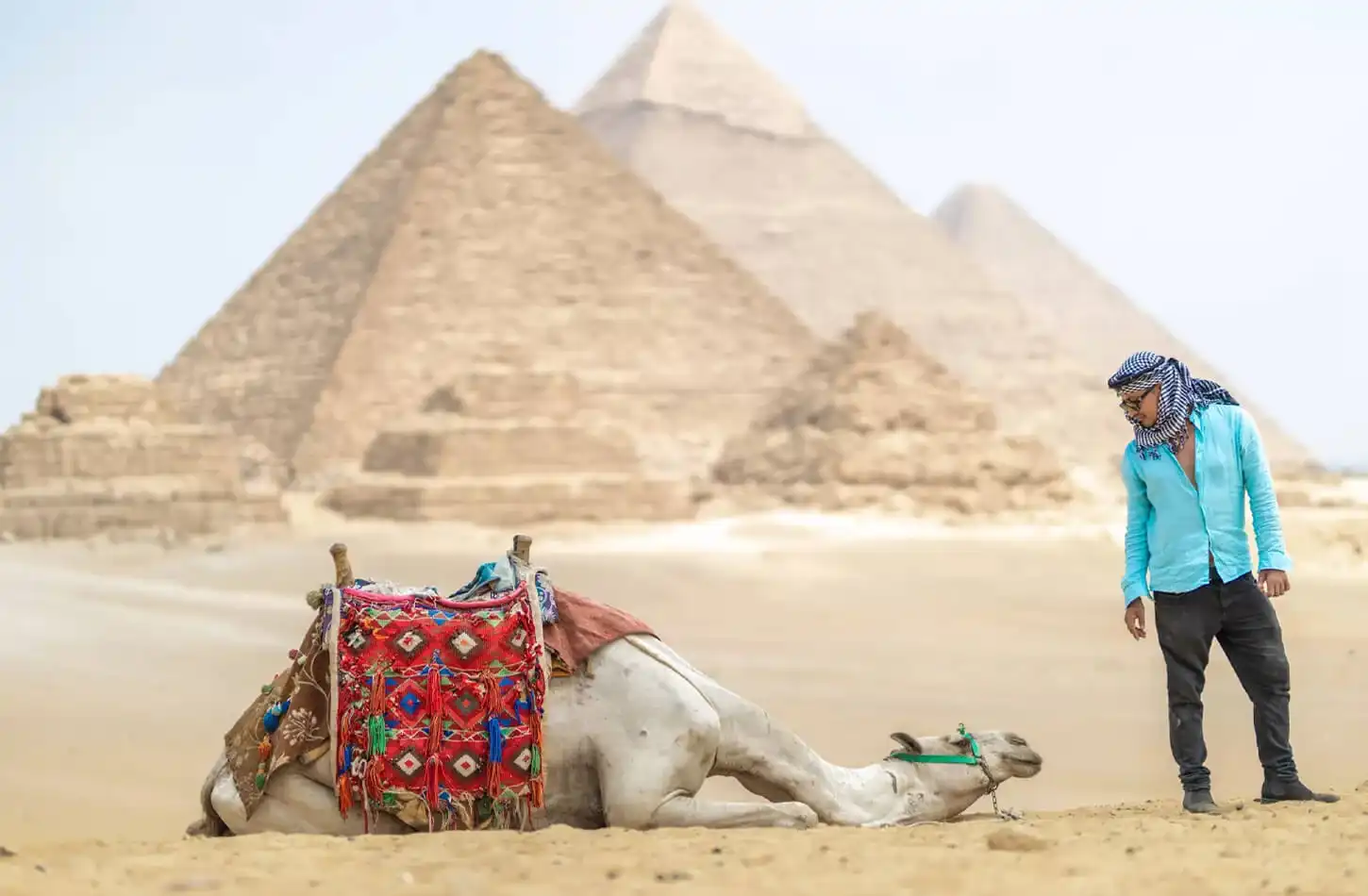
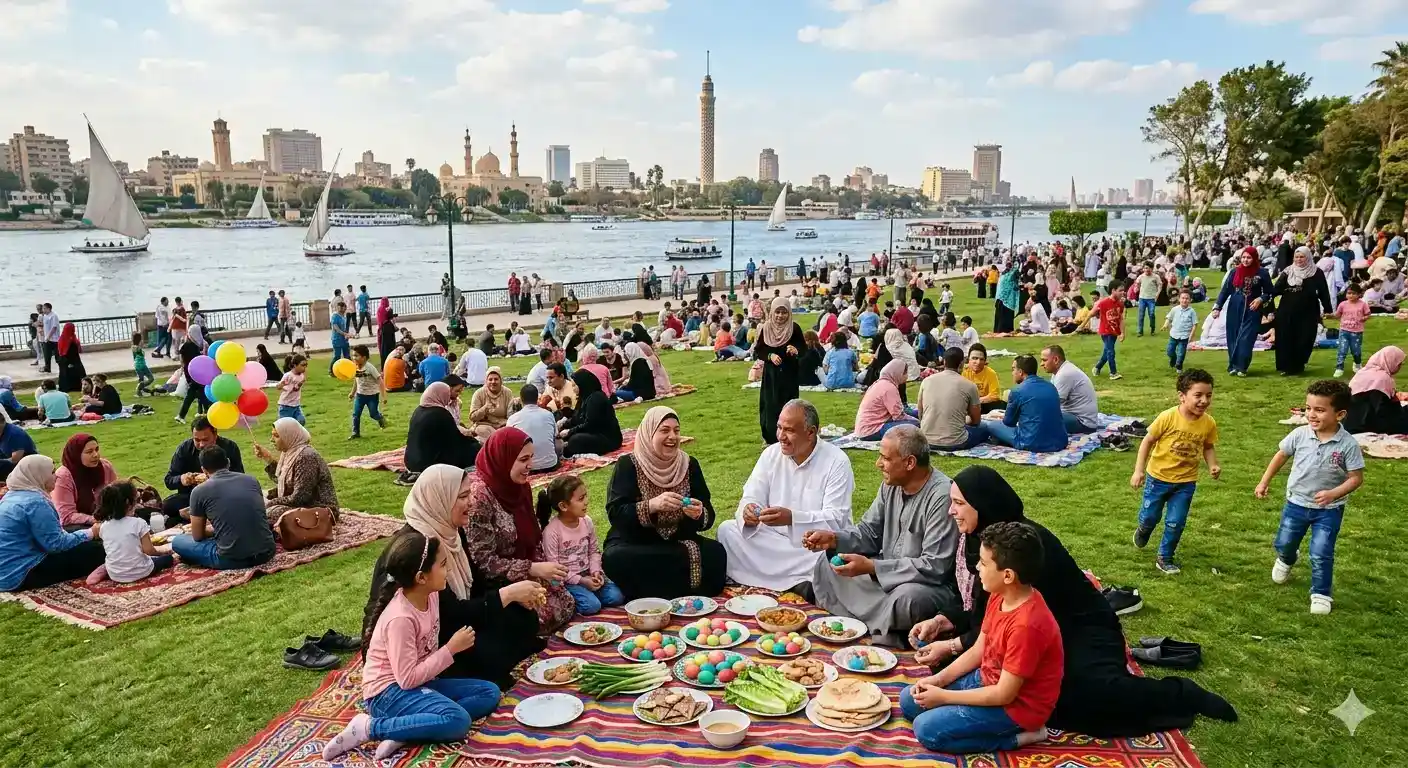
Sham El Nessim is Egypt’s oldest surviving festival — a 4,500-year-old springtime celebration that fills every park, garden, and riverbank with picnicking families, colorful eggs, and the unmistakable aroma of salted fish. Falling on Monday 13 April 2026, this national holiday unites Egyptians of every faith and background in a single, joyful day outdoors. For international visitors, it offers a rare window into a living tradition that stretches back to the age of the pharaohs.
This guide covers everything you need to plan a trip around Egypt Sham El Nessim in 2026: what the festival is, how locals celebrate, which foods to try (and which to approach with caution), the best places to join in, practical travel tips, and a sample itinerary.
Egypt Sham El Nessim at a Glance
- Date in 2026: Monday 13 April (the day after Coptic Easter)
- Type: Official public holiday — banks, government offices, and many shops close
- Who celebrates: All Egyptians, regardless of religion — this is a secular, cultural festival
- Origins: Pharaonic era, approximately 2700 BCE
- Name meaning: “Smelling the breeze” in Arabic (derived from the ancient Egyptian word Shemu, meaning harvest season / renewal of life)
- Key traditions: Outdoor picnics, fesikh (salted fish), colored eggs, green onions, family gatherings
- Best cities for tourists: Cairo, Alexandria, Luxor, Sharm El-Sheikh
Approximate daily costs for a mid-range traveler during the Sham El Nessim holiday period break down as follows:
| Expense | Approximate Cost (USD) |
|---|---|
| Mid-range hotel (double room) | $50–$120 |
| Meals (3 per day) | $15–$30 |
| Local transport (Uber/metro) | $5–$15 |
| Entrance fees (museum/site) | $5–$20 |
| Guided day tour | $40–$80 |
| Daily total | $115–$265 |
Exchange rates fluctuate — verify current rates before travel.
Top highlights at a glance: witnessing millions of Egyptians picnic simultaneously across the country, tasting ancient Pharaonic-era foods that haven’t changed in millennia, egg-decorating traditions older than Easter itself, spring weather ideal for sightseeing at approximately 28–30 °C in Cairo, and access to major attractions like the Pyramids with the added buzz of a national celebration. For a broader overview of planning your trip, the Your Ultimate Egypt Travel Guide covers visas, budgeting, and seasonal advice.
What Is Egypt Sham El Nessim?
Sham El Nessim (شم النسيم) is a national Egyptian holiday marking the arrival of spring. The Arabic name translates roughly to “smelling the breeze,” but linguists trace the original pronunciation to the Coptic phrase Tshom Ni Sime, meaning “garden meadows” — itself derived from the ancient Egyptian language. The coincidence that the old name sounds like an Arabic phrase describing a perfect spring day was too fitting to resist, and the name stuck.
The holiday is not religious. That distinction matters. Sham El Nessim predates both Christianity and Islam in Egypt by thousands of years. Muslims, Coptic Christians, and secular Egyptians all celebrate it with equal enthusiasm. It falls on the Monday after Coptic Orthodox Easter every year, a scheduling link that dates back to when Egypt’s Coptic Christian community anchored the ancient spring festival to their own calendar. But the traditions — the fish, the onions, the eggs, the outdoor feasting — come directly from Pharaonic ritual, not from any church.
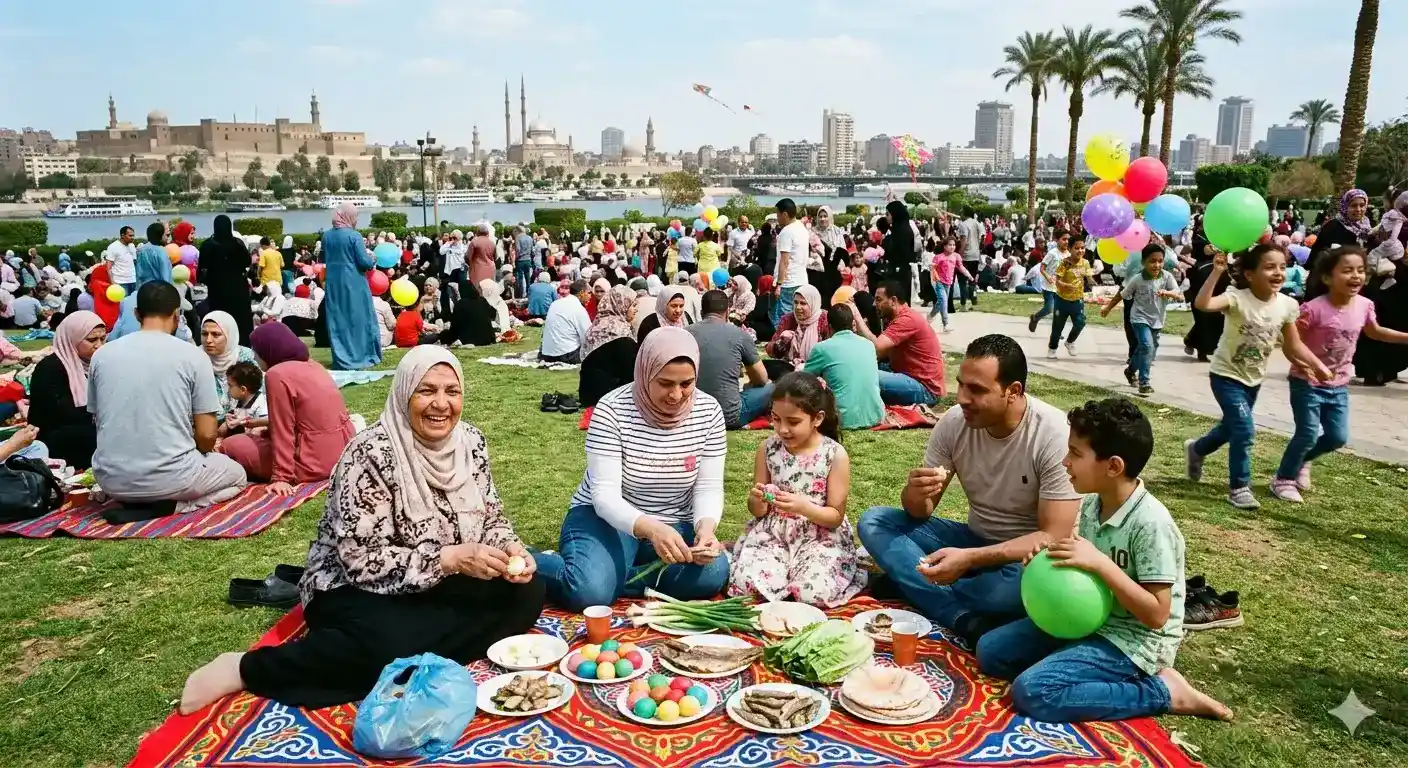
On this day, the entire country steps outside. Government offices, banks, schools, and most businesses shut down. Families pack baskets of traditional food, spread blankets in every green space they can find, and spend the day eating, singing, and celebrating the new season. Cairo’s parks overflow. The banks of the Nile become one continuous picnic. Even the zoo sees queues stretching around the block.
For tourists, the result is something remarkable: a chance to see Egyptian culture at its most relaxed and communal, with traditions that connect directly to the civilization that built the pyramids.
History of Sham El Nessim in Egypt
Egypt Sham El Nessim traces its origins to approximately 2700 BCE, during the Third Dynasty of the Old Kingdom. Ancient Egyptians called it Shemu, celebrating the harvest season that followed the Nile’s annual retreat. Priests marked the exact date by observing sunlight alignment over the Great Pyramid at dawn on the vernal equinox.
During these celebrations, Egyptians offered symbolic foods to their gods: salted fish for fertility, lettuce sacred to the god Min, onions for life’s triumph over death, and eggs representing creation and rebirth. These same foods appear on Egyptian tables today — one of the world’s longest unbroken culinary traditions.
When Christianity reached Egypt, the spring festival merged naturally with Coptic Easter, sharing themes of resurrection and renewal. Egypt Sham El Nessim settled into its current position on the Monday following Coptic Easter. After the Islamic conquest, the Fatimid caliphs embraced the celebration with grand state processions through Cairo’s streets.
The name itself evolved from Shemu through Coptic phonetic shifts into the Arabic Sham El Nessim — meaning “smelling the breeze” — a name that captured the festival’s essence so perfectly it replaced the original seamlessly. Today, Egypt Sham El Nessim remains a national celebration that unites over 100 million Egyptians of all faiths, anchored to the Coptic calendar as a reflection of Egyptian identity itself.
When Is Egypt Sham El Nessim 2026?
In 2026, Sham El Nessim falls on Monday 13 April. Coptic Easter Sunday is 12 April 2026, and the spring festival follows the next day, as it does every year.
Because the Coptic Orthodox Church calculates Easter using the Julian calendar (different from the Gregorian calendar used in Western countries), the date shifts each year. Sham El Nessim can fall anywhere between late March and early May.
| Year | Sham El Nessim Date |
|---|---|
| 2026 | Monday 13 April |
| 2027 | Monday 3 May |
| 2028 | Monday 17 April |
| 2029 | Monday 9 April |
Sham El Nessim is an official public holiday across Egypt. Banks, government offices, schools, and most private businesses close for the day. However, tourist-facing services — hotels, major restaurants, tour operators, and attractions like the Pyramids and the Egyptian Museum — generally remain open. Some may operate on reduced hours. Public parks and gardens stay open and become the center of activity.
If you are planning a trip around this date, expect Cairo’s public spaces to be busy with local families. This is not a quiet holiday — it is festive and crowded in the best sense. Booking accommodation and any guided tours in advance is strongly recommended, as the Easter-to-Sham-El-Nessim long weekend is one of Egypt’s busiest domestic travel periods.
How Egyptians Celebrate Sham El Nessim
The celebration follows a pattern that has barely changed in centuries: wake early, prepare the traditional foods, and head outside. The point is to spend the entire day in the open air — literally “smelling the breeze.”
Families and groups of friends converge on parks, public gardens, the banks of the Nile, beaches, zoos, and any green space available. In Cairo, Al-Azhar Park, the Nile Corniche, Giza Zoo, and the gardens along the river become enormous communal picnic grounds. Large blankets go down, baskets open, and the unmistakable smell of fesikh fills the air. Music plays — both from portable speakers and from live performers. Children run between groups, and vendors sell lupin beans, balloons, and toys.
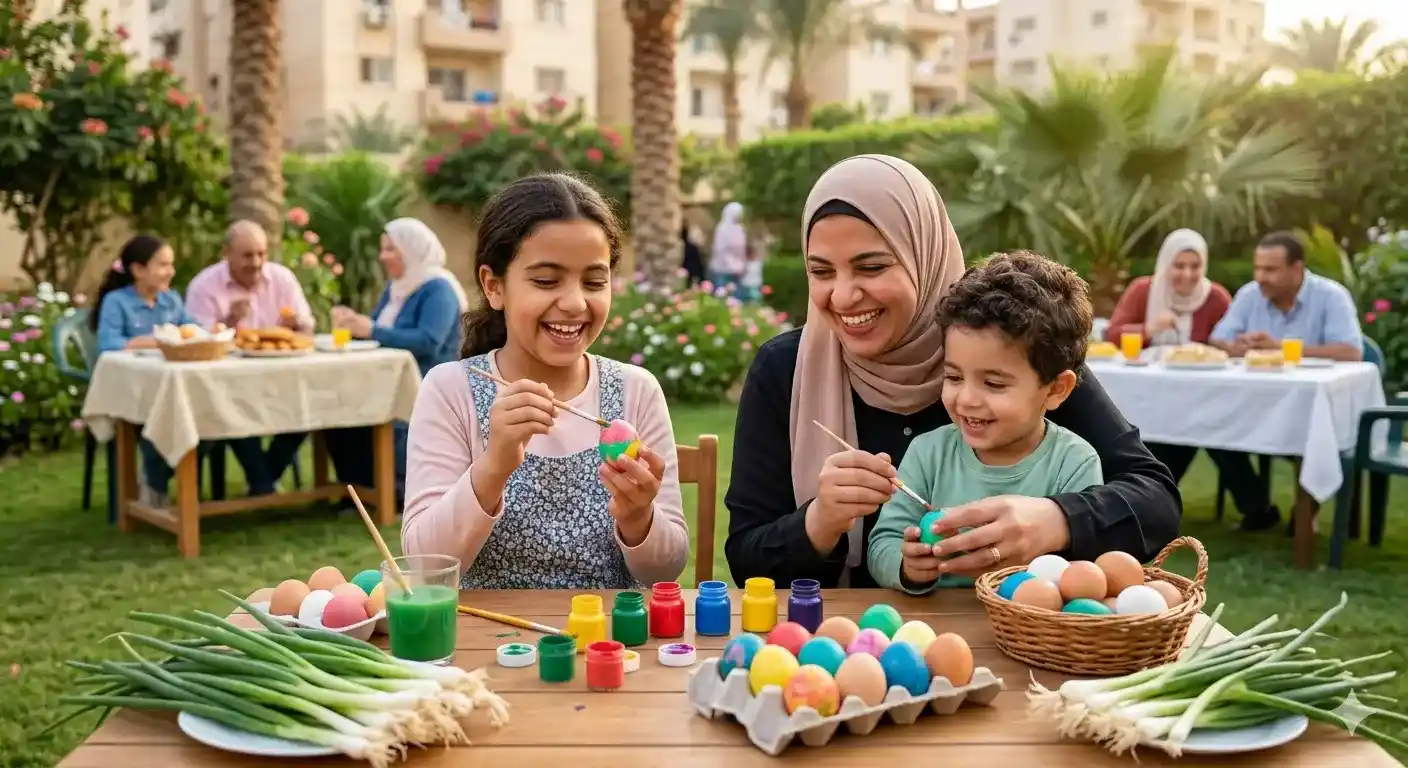
Egg decorating is central to the celebration, particularly for children. Families boil eggs the night before and spend time painting and dyeing them in bright colors. An older tradition involves writing wishes on the eggshells and hanging them from trees or balconies, in the hope that the sun’s first rays will carry those wishes to fulfillment. The egg as a symbol of creation and rebirth connects modern Sham El Nessim directly to its Pharaonic origins — thousands of years before the Easter egg existed in European tradition.
Boat rides on the Nile are popular, especially in Cairo and Luxor. Fairgrounds and temporary amusement parks pop up around the country, with rides and games aimed at children. In some neighborhoods, community parades and informal street celebrations add to the atmosphere.
Music is woven into the day. Classic songs associated with Sham El Nessim include El Donya Rabee (“It’s Springtime”) by Soad Hosny and Adi El Rabee Ad Men Tany (“Here Is Spring Once Again”) by Farid al-Atrash, both mid-20th-century icons of Egyptian cinema and music. These songs still play on loop from shops and car stereos across the country every Sham El Nessim. Exploring the top attractions in Egypt alongside these celebrations adds historical depth to the festive atmosphere.
Traditional Sham El Nessim Food in Egypt
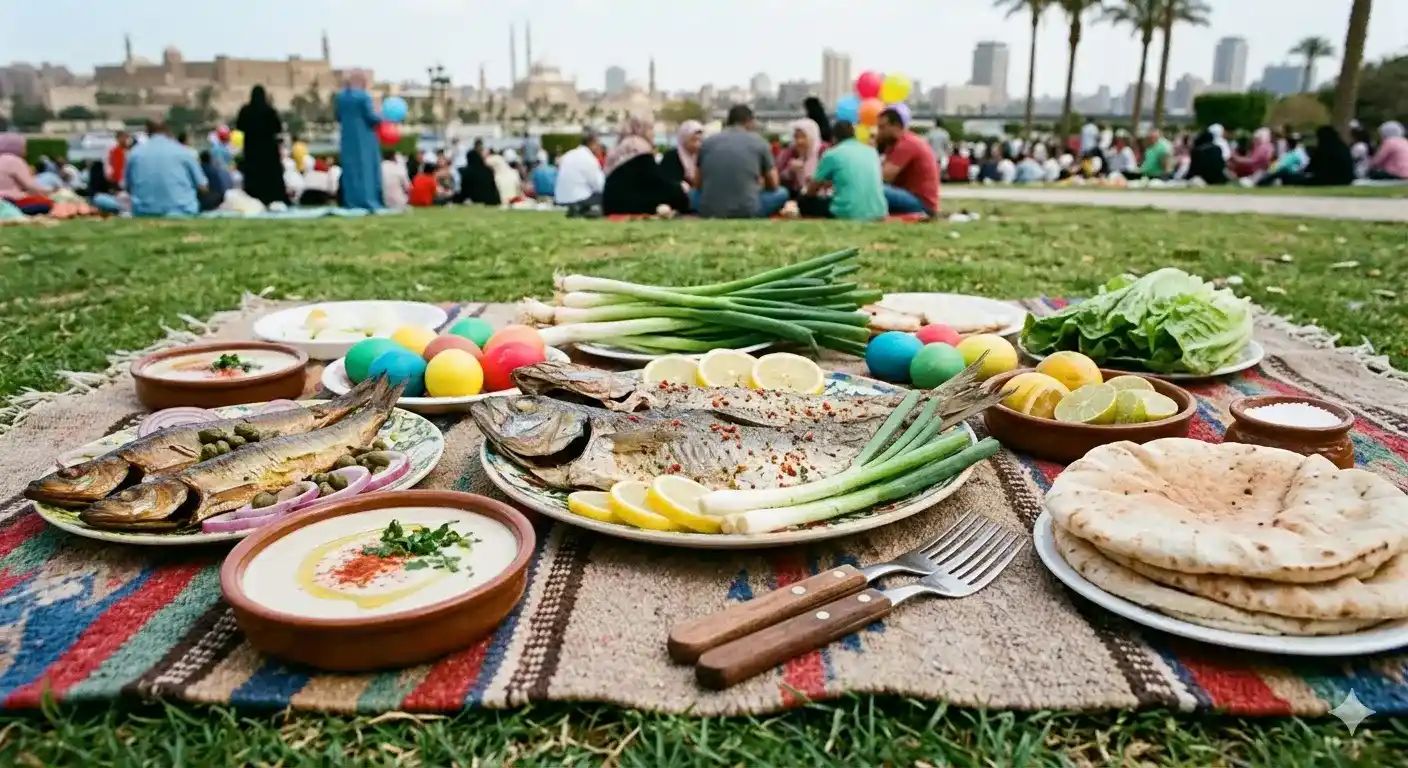
Food is the heart of Sham El Nessim. The traditional menu has remained remarkably consistent for thousands of years — the same
ingredients that ancient Egyptians offered to their gods still anchor the modern holiday table.
Fesikh (Fermented Salted Fish)
Fesikh (also spelled feseekh or fisikh) is the most iconic — and most controversial — dish of Sham El Nessim. It is grey mullet that has been dried in the sun, packed in salt, and left to ferment for weeks or months. The result is intensely salty, deeply pungent, and polarizing: Egyptians either adore it or avoid it entirely. Most families eat fesikh outdoors because the smell is too strong for indoor dining.
The tradition of eating salted fish during the spring festival traces back to offerings made in the ancient city of Esna (Latopolis) in Upper Egypt, where fish were presented to the gods as symbols of fertility and the Nile’s abundance. A specialist who prepares fesikh is called a fasakhany — and choosing a trustworthy fasakhany is considered essential to both the flavor and the safety of the dish.
Fesikh is typically served with bread, lemon juice (to cut the salt), and tahini dip. Spring onions and fresh vegetables accompany it.
Renga (Smoked Herring)
Renga is a safer and more approachable alternative to fesikh. The herring is smoked rather than fermented, which means it has been exposed to high temperatures during preparation. The flavor is smoky, salty, and rich — less intense than fesikh but still distinctly a Sham El Nessim food. Many families serve both fesikh and renga, letting each person choose their preference. For tourists trying Sham El Nessim food for the first time, renga is the recommended starting point.
Colored Eggs
Hard-boiled eggs, dyed in bright colors, appear on every Sham El Nessim table. The tradition predates any European Easter egg custom. Ancient Egyptians believed the universe emerged from a primordial egg, and coloring eggs was a ritual act of celebrating creation. Today, children are the primary egg-decorators, though the tradition spans all ages.
Green Onions, Lettuce & Lupin Beans
Green onions (spring onions) are eaten raw alongside the fish. An ancient legend attributes their significance to a Pharaoh’s daughter who was cured of an illness by onions — her father declared a national celebration in their honor. Lettuce was sacred to Min, the Egyptian god of fertility. Lupin beans (termes) are a popular snack sold by street vendors in paper cones with lemon and chili. They require soaking and boiling before eating.
Other Holiday Dishes
Beyond the core Sham El Nessim foods, families often supplement with Egyptian classics: taameya (Egyptian-style falafel), kofta (seasoned meatballs), stuffed vine leaves, and fresh salads. Regional variations exist — in the Nile Delta city of Tanta, a local sweet called metdel’a is associated with the holiday. For a broader introduction to Egyptian cuisine beyond the holiday table, the guide to top Egyptian cuisines to try covers the dishes worth seeking out year-round.
The symbolic meanings behind each food item are summarized below:
| Food | Pharaonic Symbolism | Modern Role |
|---|---|---|
| Fesikh (salted fish) | Fertility, Nile abundance, offerings to gods | Centerpiece of the holiday meal |
| Colored eggs | Creation, rebirth, the cosmic egg | Children decorate them; eaten with meals |
| Green onions | Life force, healing, warding off evil | Eaten raw with fish |
| Lettuce | Sacred to Min, god of fertility | Served fresh as a side |
| Lupin beans (termes) | Harvest season, renewal of life | Popular street snack |
At the time of writing, these are the established traditional foods — regional variations and modern additions exist across Egypt.
Is Fesikh Safe for Tourists to Eat?
An honest answer: fesikh carries genuine health risks if improperly prepared. Because the fish is fermented raw rather than cooked, it can harbor Clostridium botulinum — the bacterium that causes botulism. Egypt’s Ministry of Health issues public warnings every year before Sham El Nessim, and cases of food poisoning are reported annually. Historical incidents include fatalities, though these are rare and nearly always linked to poorly prepared fish from unlicensed sellers.
For tourists, the safest approach follows these principles. Buy fesikh only from a well-known, established fasakhany — a specialist vendor with a reputation to protect. Ask locals or your hotel for recommendations. Avoid fesikh sold by street vendors or makeshift stalls during the holiday. Squeeze lemon juice generously over the fish, as the acidity helps with digestion. Eat it with bread, vegetables, and plenty of water. Small portions are wise for a first taste.
Alternatively, skip fesikh and eat renga (smoked herring) instead. Because herring is smoked at high temperatures, the botulism risk is eliminated. Renga delivers a similar salty, smoky flavor and is the go-to option for Egyptians who prefer to avoid the fesikh gamble.
If you experience any symptoms of food poisoning after eating salted fish — nausea, diarrhea, respiratory difficulty, or dizziness — seek medical attention immediately. Hospitals in Cairo and major cities are equipped to treat such cases. For comprehensive safety advice, the guide to traveling safely in Egypt covers food safety alongside other practical considerations.
Best Places to Celebrate Egypt Sham El Nessim
Cairo
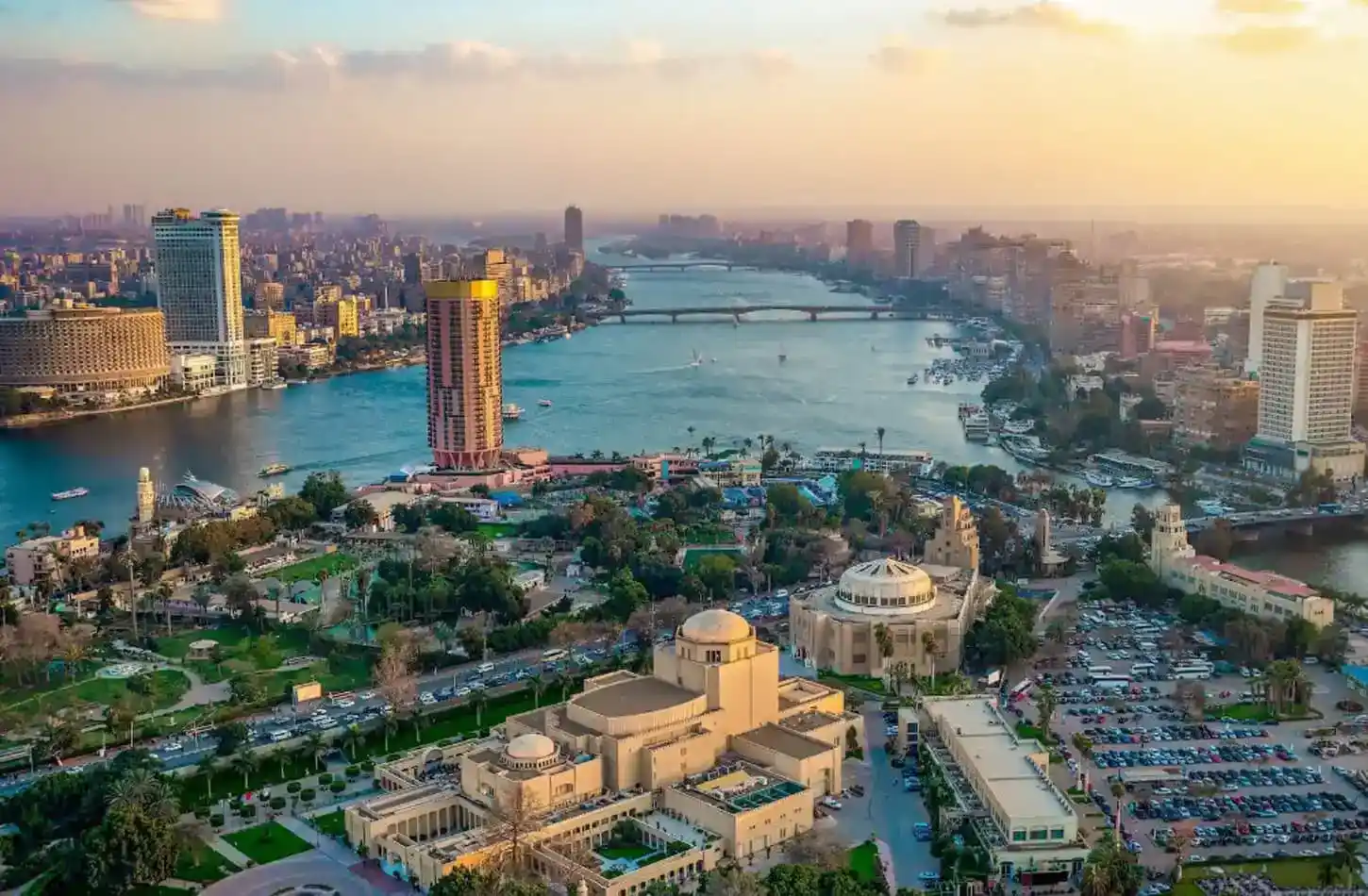
The capital is the epicenter of Sham El Nessim celebrations. Millions of Cairenes stream into public spaces from dawn until well after dark.
Al-Azhar Park in Islamic Cairo is one of the most popular destinations — a 30-hectare green space with Nile views, manicured lawns, and restaurants. Expect it to be packed. Arrive early (before 9:00 AM) to claim a good spot. Entry costs approximately EGP 20–40 for Egyptians and may be slightly higher for tourists.
The Nile Corniche transforms into a continuous picnic strip. Families spread out along the riverbanks, and felucca boats carry passengers up and down the water. The stretch between Maadi and Downtown Cairo is particularly lively.
Giza Zoo, one of Africa’s oldest zoological gardens, draws enormous crowds on Sham El Nessim. Lines can stretch for hundreds of meters. If you plan to visit, arrive at opening time.
Al-Hada’iq (Orman Garden and surrounding areas) near Cairo University offer quieter alternatives for those who prefer less overwhelming crowds.
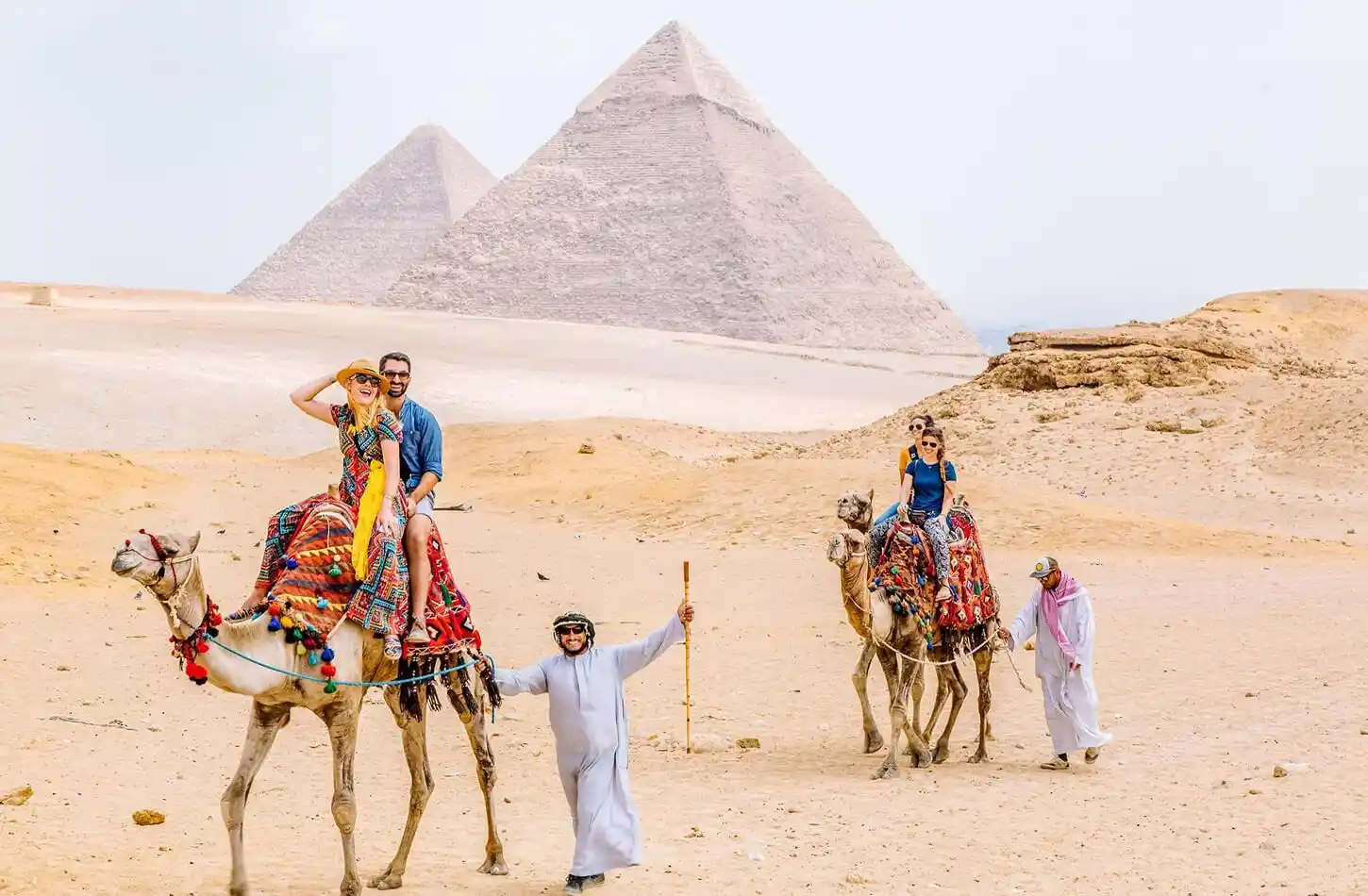
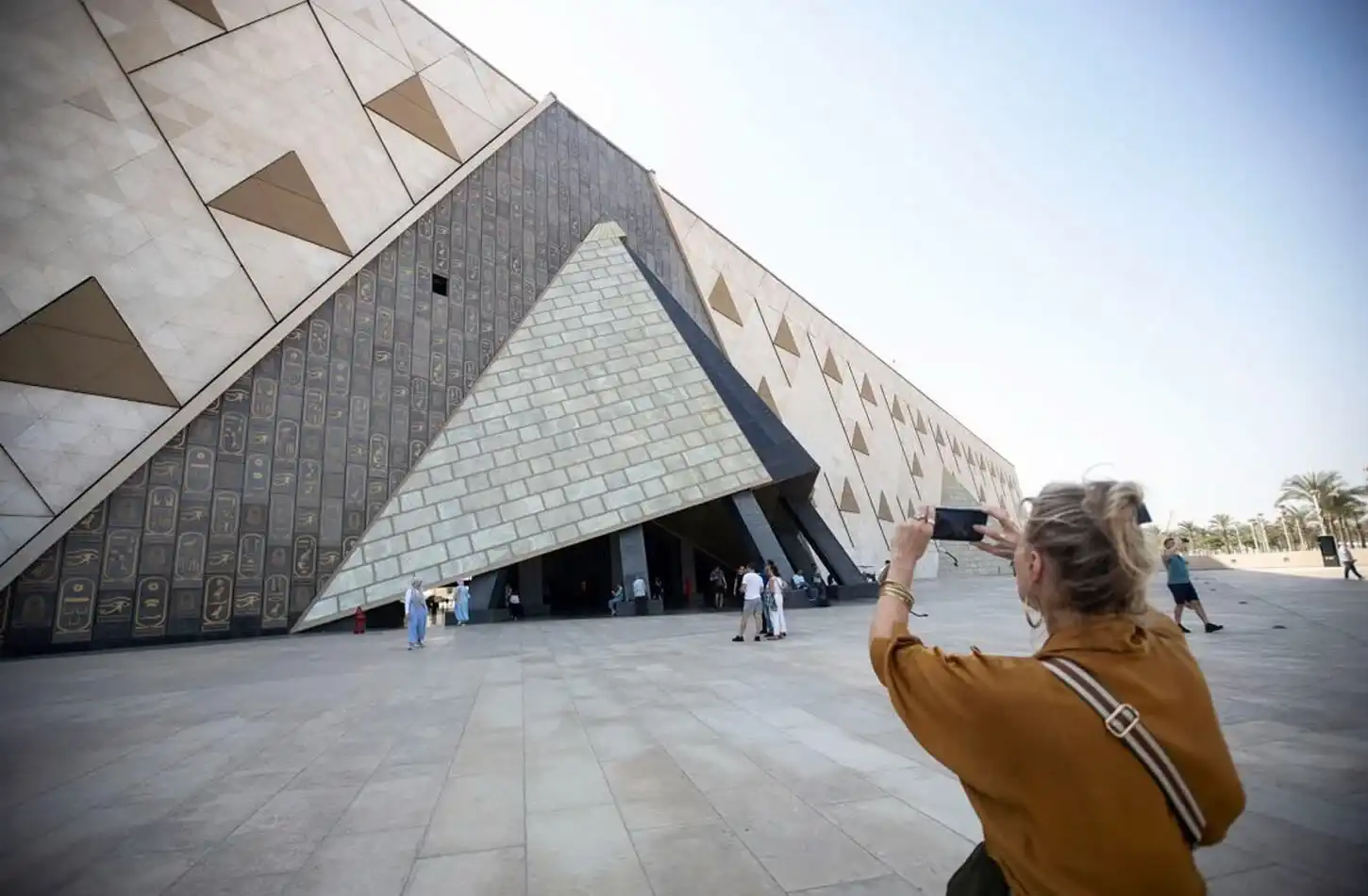
Beyond the parks, Cairo’s historical sites remain open. The Pyramids of Giza and the Grand Egyptian Museum operate normally, and visiting in the morning while families are still setting up their picnics can mean a slightly quieter experience at the monuments. The Discover Cairo in 3 Days tour combines the Pyramids, museums, and cultural highlights in a structure that works well around a Sham El Nessim visit.
Alexandria
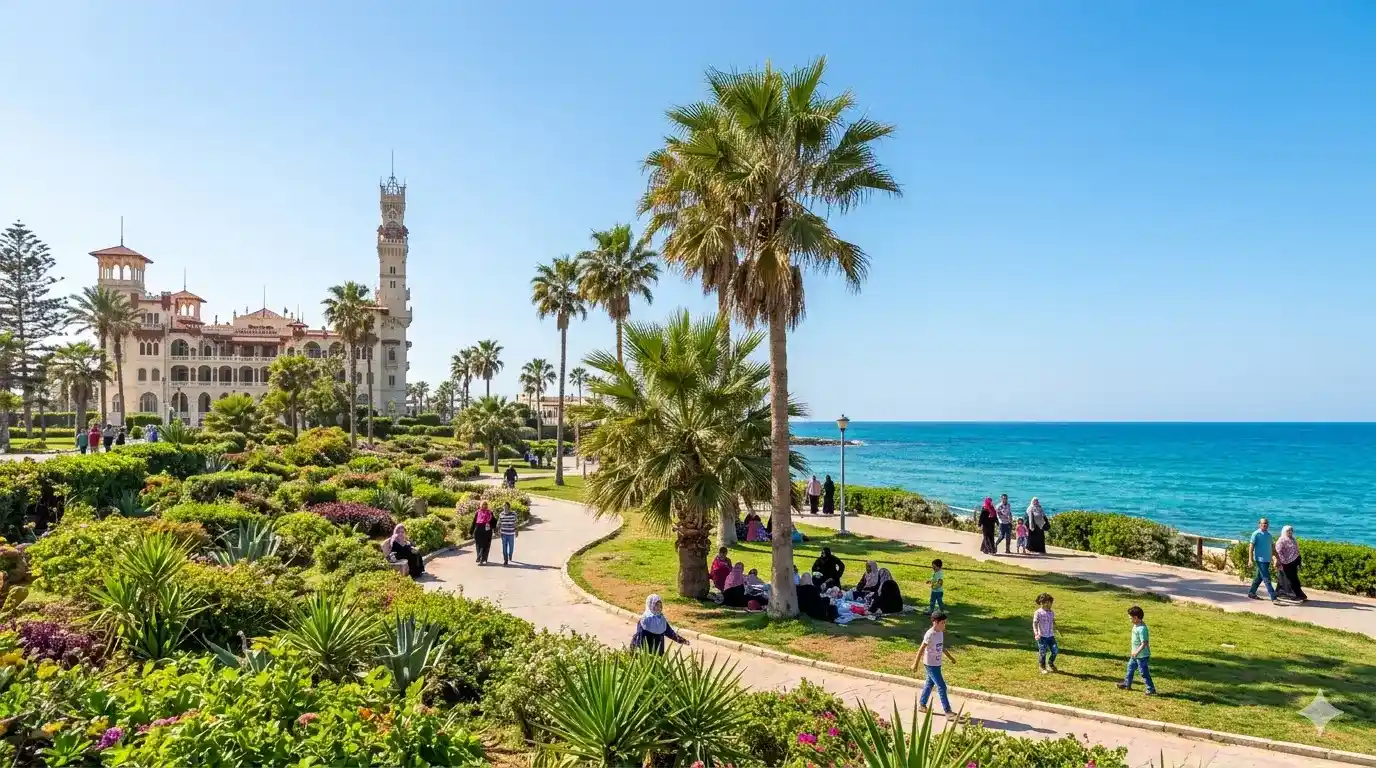
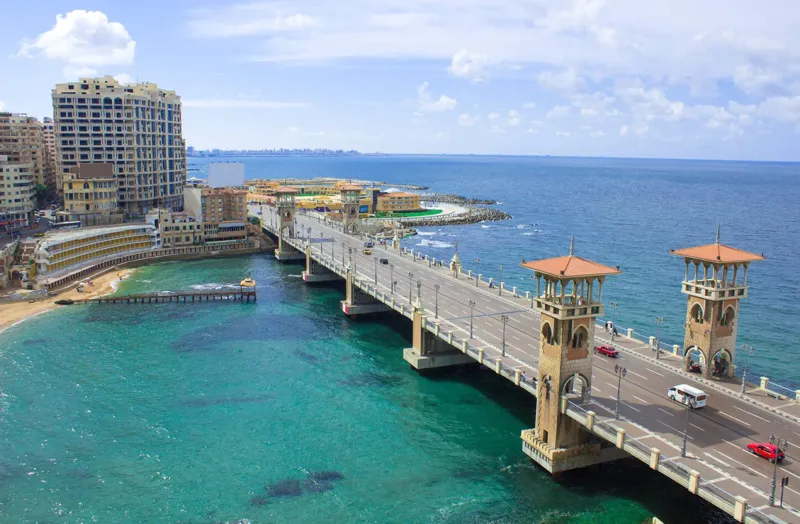
Egypt’s Mediterranean city celebrates Sham El Nessim with a coastal flair. Montaza Gardens — the sprawling grounds of the former royal palace — is the most popular spot. The gardens overlook the Mediterranean and offer a cooler, breezier setting than Cairo’s inland parks.
The Alexandria Corniche along the waterfront fills with families, and seafood restaurants do brisk business. Alexandria’s proximity to the coast means the fesikh traditions here blend with a wider seafood culture. The city’s temperatures in mid-April tend to be 2–3 °C cooler than Cairo’s, making outdoor celebrations more comfortable.
Along the Nile
In Luxor and Aswan, Sham El Nessim celebrations are more local and intimate. Temple complexes remain open, and the combination of warm weather, flowering gardens, and Nile-side picnics creates a uniquely atmospheric experience. A Nile cruise between Luxor and Aswan during this period allows you to witness celebrations in multiple riverside towns while exploring ancient temples.
Sharm El-Sheikh & the Red Sea Coast
Resort towns on the Red Sea — Sharm El-Sheikh, Hurghada, and Marsa Alam — attract domestic tourists escaping the cities for the long weekend. Hotels often organize special Sham El Nessim events, including buffet brunches featuring traditional foods. The Red Sea water temperature in April sits around 24 °C — warm enough for comfortable snorkeling and diving.
Weather in Egypt During Sham El Nessim (April)
Mid-April weather across Egypt is warm and largely dry — close to ideal for outdoor sightseeing and, conveniently, for a day-long outdoor picnic.
| Region | Avg. High (°C / °F) | Avg. Low (°C / °F) | Rain | Notes |
|---|---|---|---|---|
| Cairo & Giza | 28–30 / 82–86 | 14–16 / 57–61 | Near zero | Sunny, comfortable; evenings can be cool |
| Alexandria | 23–25 / 73–77 | 14–16 / 57–61 | Minimal | Mediterranean breeze; slightly cooler |
| Luxor | 33–35 / 91–95 | 17–19 / 63–66 | Zero | Hot by midday; plan morning excursions |
| Aswan | 35–37 / 95–99 | 19–21 / 66–70 | Zero | Very warm; hydration essential |
| Sharm El-Sheikh | 28–30 / 82–86 | 20–22 / 68–72 | Near zero | Sea temp ~24 °C; ideal for water sports |
At the time of writing, these are historical averages — conditions vary year to year.
One weather consideration specific to April: the Khamsin. This hot, dry, sand-laden wind blows sporadically from the south between March and May, sometimes reaching speeds of up to 140 km/h. A Khamsin event can raise temperatures by 20 °C in under two hours and fill the air with thick dust, reducing visibility sharply. Khamsin episodes rarely last more than a few hours to a few days, and they do not occur every week — but checking the local weather forecast before your trip is essential. If a Khamsin hits during your visit, stay indoors, keep windows closed, and wear a mask if you must go outside. Eye protection (sunglasses or goggles) helps against blowing sand.
For clothing, pack light layers: cotton or linen during the day, a light jacket for Cairo and Alexandria evenings. Sunscreen (SPF 30+), a wide-brimmed hat, and sunglasses are essential — the UV index in Cairo in April averages 9 (very high). Modest clothing (shoulders and knees covered) is appropriate for visiting mosques and churches. Comfortable walking shoes round out the packing list. The best months to visit Egypt guide provides a month-by-month breakdown for planning beyond just the April window.
Is Egypt Sham El Nessim Good for Tourists?
Traveling to Egypt during Sham El Nessim offers both distinct advantages and a few practical challenges. Understanding both helps you plan accordingly.
Advantages:
The biggest draw is cultural access. Sham El Nessim is one of the few Egyptian holidays where the entire population participates visibly and publicly. You will see Egypt at its most relaxed and communal — families singing, children playing, strangers sharing food. The atmosphere is welcoming, and tourists who join a park picnic (especially with a local guide) often describe it as a highlight of their trip.
April weather is excellent for sightseeing. Temperatures in Cairo and along the Nile are warm but not yet at the scorching heights of summer. The Red Sea is swimmable. Sunrise and sunset light over the Pyramids and Luxor temples is particularly photogenic in spring.
April is also considered a shoulder season for international tourism. While domestic travel surges around Sham El Nessim, the number of international visitors is lower than during the peak winter months (December–January). Hotel prices may be slightly lower, and some tour operators offer shoulder-season rates.
Challenges:
On Sham El Nessim day itself, expect parks and public spaces to be extremely crowded with local families. This is not a problem for tourists who enjoy festive energy, but those seeking solitude in green spaces should plan alternative activities for 13 April specifically.
Some shops, banks, and non-tourist businesses close for the public holiday. ATMs remain operational, and major hotels and tour services stay open, but errands that require government offices or banks should be handled on other days.
Hotel prices in Cairo and popular domestic destinations (Alexandria, Sharm El-Sheikh) may increase for the long weekend, as Egyptian families also travel during this period. Booking at least two to three weeks in advance is advisable.
Egypt Sham El Nessim Travel Tips
Book Early for Easter/Sham El Nessim Week
The period from Palm Sunday through Sham El Nessim Monday (roughly 5–13 April 2026) is a busy domestic travel window. Flights between Cairo and Sharm El-Sheikh, Hurghada, and Luxor fill up. Hotels in popular areas book out, particularly mid-range properties in central Cairo and Alexandria. Reserve accommodation and internal flights as early as possible.
Dress for Spring Weather
Light, breathable fabrics work best during the day. Bring a light jacket or sweater for evenings in Cairo and Alexandria, where temperatures drop to around 14–16 °C after sunset. For mosque and church visits, keep shoulders and knees covered. A scarf is useful — it doubles as sun protection and a respectful cover when entering religious sites.
Choose Open-Air Venues
Since Sham El Nessim is about being outdoors, align your plans accordingly. Felucca rides on the Nile, visits to open-air temples in Luxor, garden walks in Aswan, or a picnic in Al-Azhar Park all match the spirit of the day. Indoor attractions like museums may be quieter on 13 April as locals head outside — an opportunity if you prefer exploring exhibits without crowds.
Join a Guided Tour
A local guide adds enormous value during Sham El Nessim. Guides can navigate you to the best celebration spots, help you order traditional foods safely, translate conversations with locals, and explain the symbolism behind each custom. Understanding Egypt’s cultural etiquette before your visit also helps you participate respectfully and avoid unintentional missteps.
Food and Water Safety
Stick to bottled water at all times — do not drink tap water in Egypt. If you try fesikh, follow the safety tips outlined earlier in this guide. Renga (smoked herring) is the safer choice. For other street food, choose busy vendors with high turnover. Wash fruits before eating, or choose fruits you can peel. Carry rehydration salts in case of stomach trouble.
Respect Local Customs
Sham El Nessim is a secular holiday, but you are still in Egypt. Ask permission before photographing people or their families. Dress modestly. Do not litter in parks — locals take great pride in their celebration spaces. If invited to share food, accepting a small portion is a culturally warm gesture. Make sure your packing essentials for Egypt include appropriate clothing and travel basics.
Sample 5-Day Egypt Itinerary Around Sham El Nessim 2026
This itinerary centers the holiday within a broader Cairo experience.
Day 1 — Thursday 9 April: Arrive in Cairo
Arrive at Cairo International Airport. Transfer to your hotel in Downtown Cairo or Zamalek. Rest and acclimatize. In the evening, walk along the Nile Corniche or visit Khan El-Khalili bazaar for your first taste of Cairo’s energy.
Day 2 — Friday 10 April: Pyramids & Grand Egyptian Museum
Full day at the Giza Plateau: the Great Pyramid, the Sphinx, and the Panorama viewpoint. Afternoon visit to the Grand Egyptian Museum (GEM), located near the Pyramids. The Pyramids of Giza Tours — Cairo & GEM in 1 Day combines both sites efficiently.
Day 3 — Saturday 11 April: Coptic & Islamic Cairo
Morning in Old Cairo (Coptic Quarter): the Hanging Church, St. Sergius and Bacchus Church, the Coptic Museum. Afternoon in Islamic Cairo: the Citadel of Saladin, Mohamed Ali Mosque, and a walk through the historic streets to Al-Azhar. Evening: a traditional Sham El Nessim-eve dinner at a restaurant featuring holiday dishes.
Day 4 — Sunday 12 April: Coptic Easter
If you are interested in Coptic traditions, attend a Coptic Easter service in Old Cairo (arrive early, dress conservatively, and ask permission for photography). Otherwise, use the day for the Egyptian Museum in Tahrir Square, Zamalek galleries, or a felucca ride at sunset. Egyptians begin preparing for Sham El Nessim — shops selling fesikh and colored eggs will be buzzing.
Day 5 — Monday 13 April: Sham El Nessim
This is the day. Head to Al-Azhar Park, the Nile Corniche, or one of Cairo’s major gardens by mid-morning. Bring or buy traditional foods and join the celebration. Observe (or participate in) egg-decorating activities. Take a felucca ride on the Nile in the afternoon. In the evening, a Tanoura Show at Wekalet El Ghouri — the free Sufi whirling performance in historic Islamic Cairo — makes for an atmospheric conclusion to the holiday.
For travelers with more time, extending this itinerary to include Luxor and a 7-Day Egypt Tour Itinerary allows you to combine Cairo’s Sham El Nessim celebrations with Nile Valley temples.
Frequently Asked Questions
What is Egypt Sham El Nessim?
Sham El Nessim is Egypt’s ancient spring festival, dating back approximately 4,500 years to the Pharaonic era. The name means “smelling the breeze” in Arabic and is derived from the Coptic pronunciation of the ancient Egyptian word for the harvest season. It is an official public holiday celebrated by all Egyptians regardless of religious background — both Muslims and Coptic Christians participate equally. Families spend the entire day outdoors, picnicking in parks and gardens, eating traditional foods like fesikh (salted fish), colored eggs, and green onions. The holiday falls on the Monday after Coptic Orthodox Easter every year.
When is Sham El Nessim 2026?
Sham El Nessim 2026 falls on Monday 13 April. The date changes each year because it is linked to the Coptic Orthodox Easter, which is calculated using the Julian calendar. At the time of writing, the 2027 date is projected to be Monday 3 May.
Is Sham El Nessim a public holiday in Egypt?
Yes. Sham El Nessim is an official public holiday. Banks, government offices, schools, and most non-tourist businesses close for the day. Hotels, restaurants serving tourists, major attractions (the Pyramids, museums), and tour operators generally remain open, though some may operate on reduced hours. Public transportation runs on a holiday schedule. The Egypt travel tips for first-time visitors guide includes information on navigating public holidays.
What food is eaten on Sham El Nessim?
The traditional Sham El Nessim meal centers on five foods with Pharaonic origins: fesikh (fermented salted grey mullet), renga (smoked herring), colored hard-boiled eggs, green onions, and lettuce. Lupin beans (termes) are also widely consumed as a snack. Families typically eat these foods outdoors as part of a picnic spread. Additional dishes like taameya (falafel), kofta, and fresh salads round out the meal.
Is fesikh safe for tourists?
Fesikh carries a genuine risk of botulism if improperly prepared. Egypt’s Ministry of Health issues annual warnings before the holiday. Tourists should only eat fesikh purchased from a reputable, established fasakhany (specialist vendor) — never from unlicensed street sellers. Renga (smoked herring) is a significantly safer alternative because it is cooked at high temperatures. If you choose to try fesikh, eat a small portion with lemon juice, bread, and plenty of water.
Can tourists join Sham El Nessim celebrations?
Absolutely. Sham El Nessim is a public, secular celebration, and Egyptians are generally welcoming of tourists who want to join in. Head to any major park, garden, or riverfront area on the day and you will find yourself surrounded by festive families. Joining a guided tour or going with a local host makes the experience richer — they can introduce you to traditions, translate conversations, and recommend safe food vendors. The Egypt travel guide for solo adventurers includes advice on joining local events as an independent traveler.
What should I wear during Sham El Nessim?
Comfortable, lightweight clothing suitable for warm spring weather. In mid-April, Cairo daytime temperatures reach approximately 28–30 °C. Cotton or linen is ideal. Bring a light layer for the evening, as temperatures drop after sunset. If you plan to visit mosques or churches during the holiday period, cover your shoulders and knees. Comfortable walking shoes are essential for navigating parks, cobblestone streets, and archaeological sites. Sunscreen, a hat, and sunglasses protect against the strong UV radiation — the UV index in Cairo averages 9 in April.
Is Egypt safe for tourists during Sham El Nessim?
Egypt is generally safe for tourists during Sham El Nessim. The holiday atmosphere is peaceful and family-oriented, and the increased presence of locals in public spaces can actually make parks and streets feel safer. Standard travel precautions apply: keep valuables secure in crowded areas, use Uber or Careem rather than hailing unmarked taxis, and drink only bottled water. For a detailed breakdown of current safety conditions across Egypt, the Is Egypt Safe for Tourists in 2026 guide covers regional advisories and practical security advice.
How is Sham El Nessim different from Easter?
Sham El Nessim and Coptic Easter are linked by calendar timing but different in nature. Coptic Easter is a religious celebration of the resurrection of Jesus Christ, observed by Egypt’s Coptic Christian community (approximately 10% of the population) with church services, prayers, and fasting rituals. Sham El Nessim, by contrast, is a secular, cultural holiday with Pharaonic roots — celebrated by all Egyptians of every religion. It falls on the Monday after Coptic Easter, but its traditions (salted fish, colored eggs, outdoor picnics) predate Christianity by more than two thousand years. Both celebrations happen during the same weekend, so visitors during this period can witness both the spiritual depth of Coptic Easter and the communal joy of Sham El Nessim.
Where are the best places to celebrate Sham El Nessim in Cairo?
Al-Azhar Park is the most popular destination — a large green space in Islamic Cairo with Nile views, restaurants, and ample picnic area. Arrive before 9:00 AM to secure a spot. The Nile Corniche, particularly the stretch between Maadi and Downtown, becomes a continuous outdoor gathering. Giza Zoo draws enormous crowds (expect long queues). For a quieter experience, Orman Garden near Cairo University or the gardens on Gezira Island in Zamalek offer less hectic alternatives. A Nile cruise experience departing from Cairo offers another way to enjoy the spring atmosphere from the water.
External Links
- official Sham El Nessim public holiday dates
- UK government travel advice for Egypt
- US State Department Egypt travel advisory
- historical background of the Sham El Nessim festival
- Egyptian weather forecasts and Khamsin warnings
- CDC health recommendations for Egypt travelers
- UNESCO World Heritage Sites in Egypt