
Most visitors to Hurghada spend their days at the beach or on the water — and rightly so. But just behind the resort strip, barely 20 minutes from any hotel, the landscape changes dramatically. The blue of the Red Sea gives way to a wilderness of red mountains, golden sand valleys, and vast desert silence that feels like a different planet.
A Hurghada desert safari is one of the most underrated experiences in Egypt — and one of the most dramatic contrasts in travel. This guide covers everything you need to know to plan the perfect Eastern Desert adventure from Hurghada.
What Is a Hurghada Desert Safari?
A desert safari from Hurghada takes you into the Eastern Desert — the mountainous desert region that stretches between the Red Sea coast and the Nile Valley. Unlike the Western Desert’s flat sandy dunes, the Eastern Desert is characterized by rugged red and orange mountains, narrow wadis (dry river valleys), and a stark geological beauty that has barely changed in millions of years.
Safari tours typically combine several activities: quad biking or dune buggy rides through the desert, camel riding, a visit to a Bedouin village, and a traditional dinner under the stars. The combination of adrenaline, culture, and sunset scenery makes it one of Hurghada’s most popular excursions.
Types of Hurghada Desert Safari
Quad Bike Safari
Quad biking is the most popular desert activity from Hurghada. Participants ride four-wheel ATVs through the desert terrain — across open sandy plains, up gentle dune slopes, and along mountain tracks with views over the Red Sea coast.
No experience is necessary for most quad bike tours, which cater to beginners on relatively easy terrain. For more experienced riders, advanced trails are available through specialist operators. A typical quad bike session lasts 1–2 hours.
Dune Buggy Safari
Dune buggies (side-by-side off-road vehicles) offer a more accessible desert experience for those who prefer not to ride solo ATVs. Two or three passengers can ride together, making them ideal for couples and families. The experience is more comfortable than quad bikes and allows more focus on the scenery.
Camel Safari
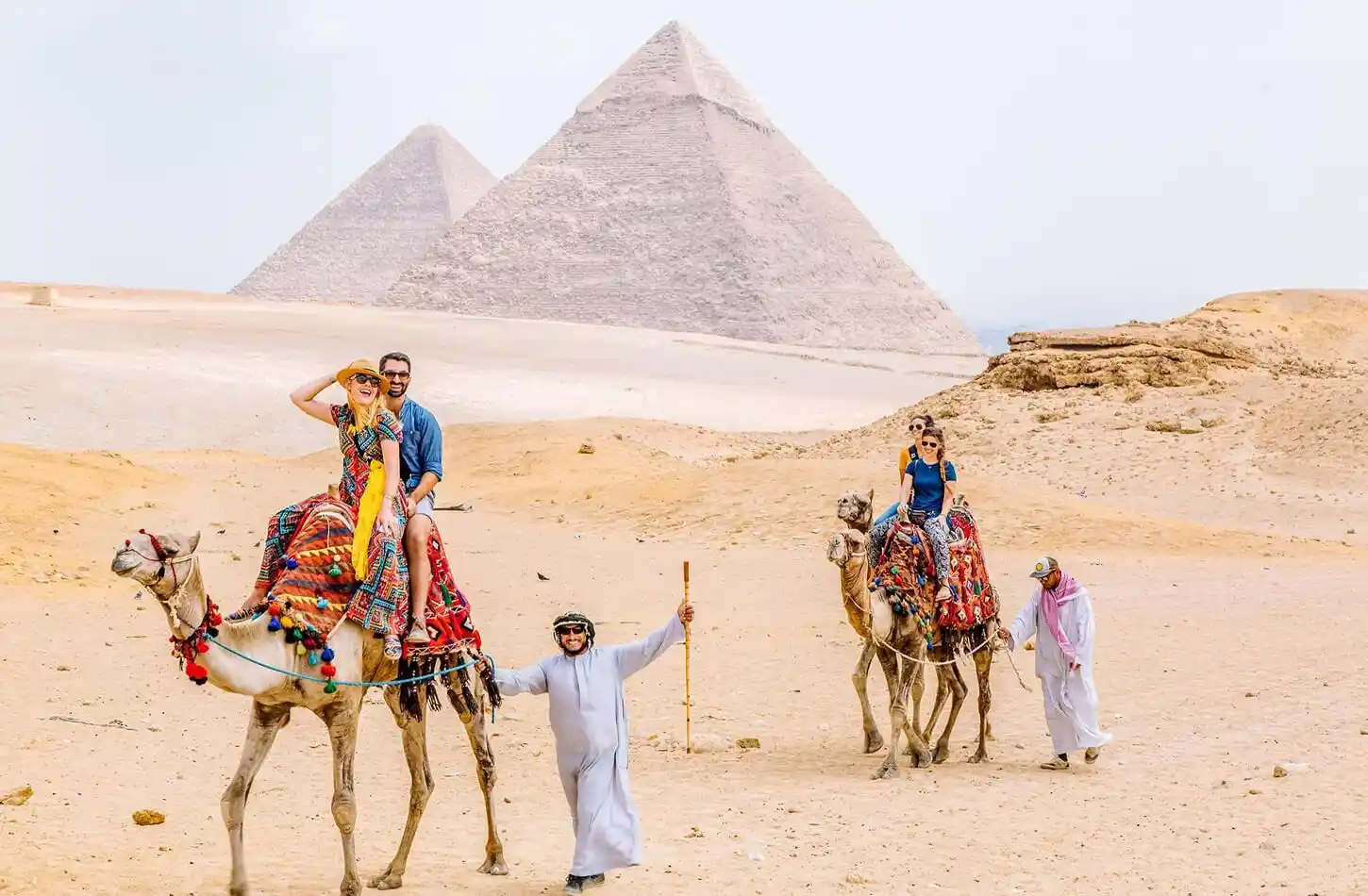
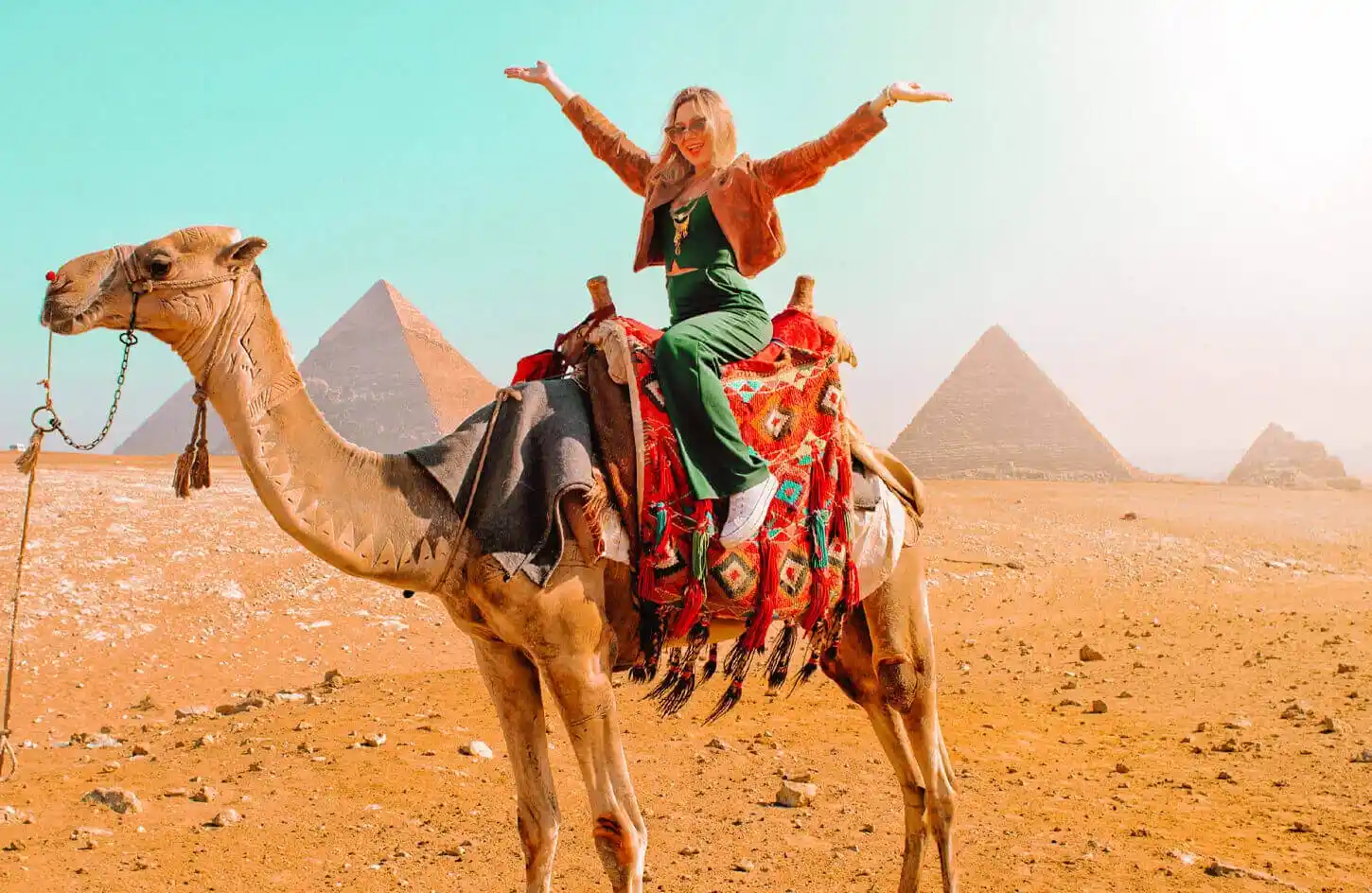
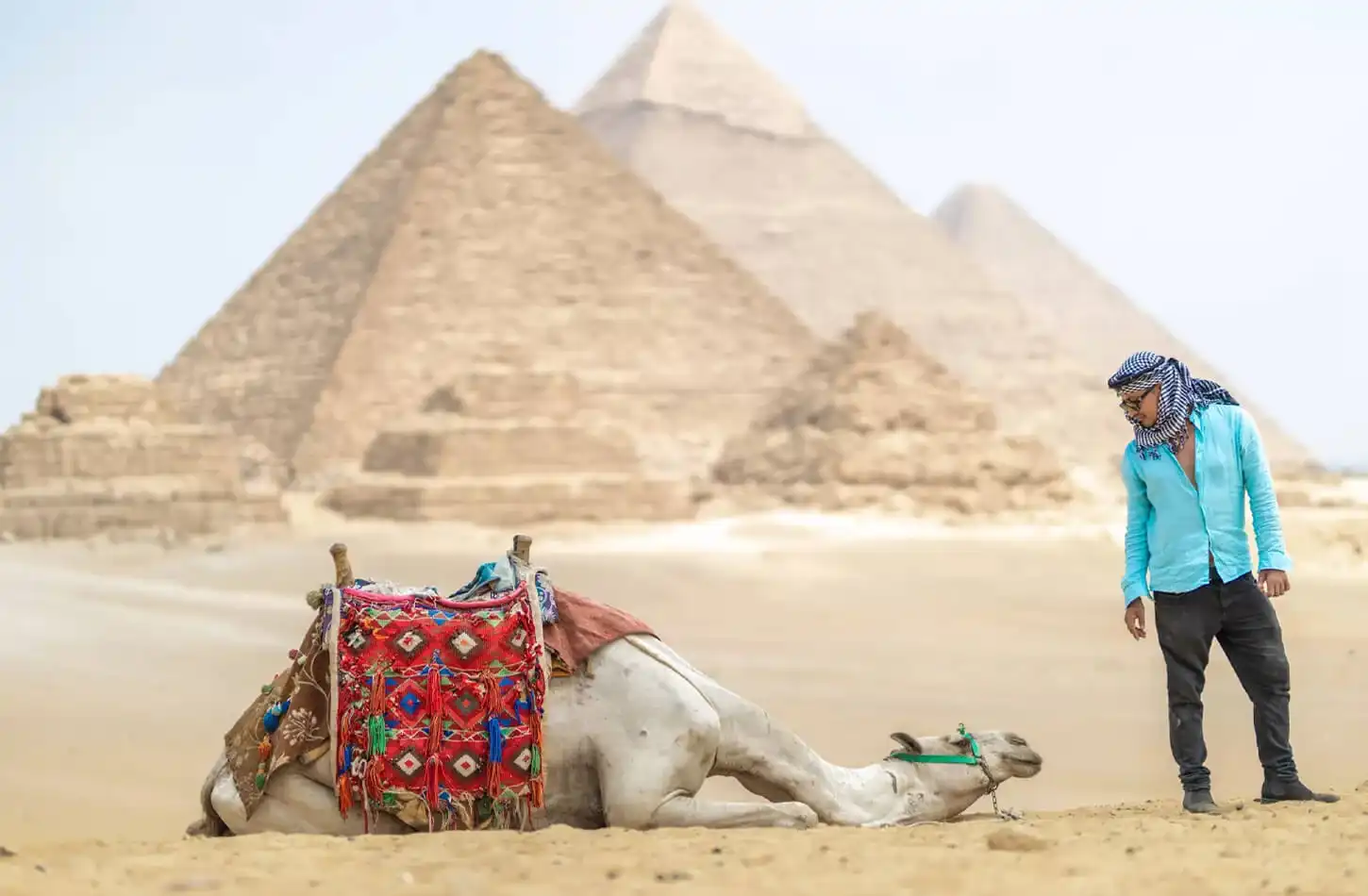
For a slower, more traditional desert experience, camel rides through the desert are offered as standalone activities or as part of combined safari packages. A camel safari typically lasts 30–60 minutes and passes through desert scenery with a Bedouin guide. It is a particularly good option for those who want a cultural experience rather than an adrenaline one.
Jeep / 4×4 Desert Tour
Private 4×4 tours into the deeper Eastern Desert are the best option for those who want to explore seriously. A full-day jeep tour can reach remote mountain areas, ancient rock inscriptions, and natural geological formations that shorter tours never visit. This format is particularly popular with photography enthusiasts and serious nature travelers.
Bedouin Experience and Stargazing Tour
Some of the most memorable Hurghada desert experiences are the evening tours that combine a short desert drive with a visit to a Bedouin camp. Guests sit around a fire, drink sweet Bedouin tea, share a traditional dinner of grilled meats and flatbreads, and then (on clear nights — which are most nights in the Eastern Desert) experience some of the best stargazing in Egypt.
The Eastern Desert has virtually zero light pollution. On a clear night, the Milky Way is visible with the naked eye, and the density of stars above the desert is genuinely overwhelming for people accustomed to city skies.
What to Expect on a Typical Hurghada Desert Safari
A standard evening desert safari from Hurghada follows a similar format across most operators:
5:00–5:30 PM — Hotel pickup in a 4×4 vehicle
5:30–6:00 PM — Drive into the Eastern Desert, away from the coast
6:00–7:00 PM — Quad bike or buggy session (1 hour)
7:00–7:30 PM — Camel ride (optional)
7:30 PM — Arrive at Bedouin camp
7:30–8:00 PM — Sunset viewing from the desert
8:00–9:30 PM — Traditional Bedouin dinner, tea, shisha, cultural performance
9:30–10:00 PM — Stargazing
10:00–10:30 PM — Return drive to hotel
This format delivers a full sensory arc: activity, culture, food, landscape, and a sky full of stars.
The Bedouin Culture Experience
No desert safari from Hurghada is complete without engaging with the Bedouin culture of the Eastern Desert. The Bedouin people are the indigenous inhabitants of the Sinai and Eastern Desert regions — semi-nomadic communities whose traditional knowledge of the desert, its plants, its tracks, and its stars, accumulated over thousands of years, is extraordinary.
A good Bedouin camp visit includes:
- Tea ceremony — strong, sweet tea flavored with sage or mint, served in small glasses, central to Bedouin hospitality
- Traditional food — fresh flatbread cooked on an open fire, slow-cooked lamb or chicken, rice dishes with herbs and spices
- Music — traditional Bedouin music is percussive and haunting; live performances at camp are common
- Explanation of desert plants — Bedouin guides can identify dozens of desert plants by sight and explain their medicinal and practical uses
Practical Information
Best Time for a Desert Safari
Evening tours (recommended): Departing around 4:30–5:00 PM, these tours avoid the midday heat and allow sunset and stargazing experiences. Evening tours are enjoyable year-round.
Morning tours: Available but less common. Good in winter when morning temperatures are comfortable. Better for photography with soft morning light.
Avoid midday desert activities in summer (June–September) when temperatures regularly exceed 40°C in the open desert.
What to Wear
- Light, loose-fitting long sleeves and trousers (protects against sun, sand, and cool evening temperatures)
- Closed shoes or trainers (not sandals — sand gets everywhere)
- Sunglasses and a hat or headscarf
- A light jacket or sweater for the evening (desert nights cool dramatically after sunset, even in summer)
What to Bring
- Water (at least 1 liter per person)
- Sunscreen
- Camera (a wide-angle lens captures the desert landscape beautifully)
- Cash for tips
Health Considerations
Quad biking involves physical activity and exposure to dust — those with respiratory issues should take appropriate precautions. Protective goggles are provided by most operators and strongly recommended.
Combining the Desert Safari with Other Hurghada Activities
The desert safari works best as an evening activity, making it easy to combine with daytime Hurghada experiences:
- Day: Giftun Island snorkeling → Evening: Desert safari
- Day: Hurghada to Luxor day trip → Evening: Rest or dinner
- Multi-day: Combine Hurghada activities with a Nile Cruise from Luxor
Frequently Asked Questions
Is a Hurghada desert safari safe?
Yes, for standard organized tours. Quad bike activities involve some physical risk (as any motorized sport does), but reputable operators provide helmets, safety briefings, and guides. Choose established operators with good reviews.
Do I need experience to ride a quad bike?
No. Most tours cater to complete beginners on easy terrain. A brief lesson before the ride is standard.
Is the desert safari suitable for children?
Children above age 8–10 can typically participate in quad biking. The Bedouin camp experience is excellent for all ages. Camel rides are suitable for children of all ages.
How far into the desert do the tours go?
Standard tours go 15–30 km from the coast. Full-day jeep tours can penetrate much deeper into the Eastern Desert.
What is the difference between the Eastern Desert and the Sahara?
The Eastern Desert (between the Nile and the Red Sea) is characterized by rocky mountains and wadis. The Sahara (Western Desert) is the classic sand dune landscape. Hurghada’s desert is Eastern Desert — more dramatic and rugged, less sand-dune cliché, often more visually striking.
The Eastern Desert behind Hurghada is one of Egypt’s most overlooked landscapes. While tourists focus on the sea in front of them, an extraordinary wilderness sits just behind the hotels — ancient, silent, and astonishing under a sky full of stars.