In 2026, a Nile cruise from Luxor to Aswan usually costs from around $350–$600 per person for budget options, about $650–$1,500 for deluxe, and roughly $1,500–$3,000+ for luxury and boutique trips (3–4 nights). Prices vary a lot by season, ship quality, cabin type, and inclusions. All figures below are approximate and can change quickly.
Nile Cruise Luxor to Aswan Prices 2026: 3 vs 4 Nights (Budget, Deluxe & Luxury)
Introduction: what this guide covers (and who it’s for)
A Luxor-to-Aswan Nile cruise is usually sold as 4 days / 3 nights or 5 days / 4 nights. Both cover the “classic” temples between Luxor and Aswan, but the pace and total cost can feel very different.
This guide is for international travelers who are close to booking and want to know:
- How much a Nile cruise Luxor–Aswan really costs in 2026
- Whether 3 nights or 4 nights is better
- What changes the price (season, ship class, inclusions, cabin type)
- What is usually included (and what often costs extra)
Important notes before looking at prices:
- Most advertised prices are per person, often based on two people sharing a cabin.
- The same ship can have different prices by:
- Departure day
- Deck level
- Window vs balcony
- Meal plan and drinks policy
- Whether tours/entrance fees/transfers are included
- At the time of writing (January 2026), many websites list 2025/2026 or 2026/2027 seasons; always confirm the exact dates, inclusions, and cancellation policy before paying.
Nile cruise Luxor to Aswan at a Glance
Most travelers choose 3 nights when time is tight and they mainly want the “core” temples. Choose 4 nights if a slower pace matters (less rushed touring, more rest, more deck time). Typical prices range from about $350–$600 (budget) up to $3,000+ (luxury/boutique) per person, depending on season and inclusions.
Typical trip length
- 3-night cruise: usually 4 days / 3 nights
- 4-night cruise: usually 5 days / 4 nights
Who each option suits
- 3 nights: good for first-timers on a tight schedule; travelers who don’t mind early mornings.
- 4 nights: better for couples, slower travelers, and anyone who wants more time to relax between temple visits.
Best months for good weather and value
- Best weather: usually October to April (milder days for sightseeing).
- Value months (often): May or September can be cheaper, but it’s warmer.
- Hottest months: June to August can be extreme (often around 41°C / 106°F in July in Luxor/Aswan).
Typical price table (guidance only)
Prices below are broad ranges for planning. They can be higher for holiday weeks, suites, or boutique boats, and lower for deals or minimal-inclusion packages.
| Cruise type (Budget / Deluxe / Luxury) | Typical total price range for 3 nights | Typical total price range for 4 nights |
| Budget | ~$350–$600 | ~$450–$800 |
| Deluxe | ~$650–$1,300 | ~$800–$1,900 |
| Luxury / Boutique | ~$1,200–$2,500+ | ~$1,500–$3,000+ |
Where these ranges come from (examples, not guarantees):
- Some sites describe “standard” short cruises in roughly the $350–$500 range, while “luxury 5-star” options can start higher.
- Other guides list 5-star estimates that vary strongly by season (shoulder vs peak).
- Boutique/small-boat options (like dahabiya experiences) can land well above $1,400+ per person for 4-night trips.
3-night vs 4-night Nile cruise: which is better?
A 3-night Luxor–Aswan cruise is better if you want the classic temples in the shortest time and you don’t mind a faster pace. A 4-night cruise is better if comfort matters more than speed and you want extra time for rest, photos, and calmer touring.
The key idea: both options can cover the same “headline” sites, but the 4-night version usually feels less rushed.
A simple decision rule
Choose 3 nights if:
- You have limited time in Egypt
- You’re okay with early starts for West Bank touring
- Your priority is “see the highlights, move on”
Choose 4 nights if:
- You want more downtime on the ship
- You’re traveling with parents/older family
- You want a trip that feels more like a vacation, not a checklist
3-night Nile cruise (typical route & pace)
A 3-night Luxor → Aswan cruise is commonly sold as 4 days / 3 nights. It can include Luxor’s East Bank and West Bank, then sailing south with stops like Edfu and Kom Ombo, then finishing in Aswan with Philae and other sights.
Typical “core” stops (often included in some form):
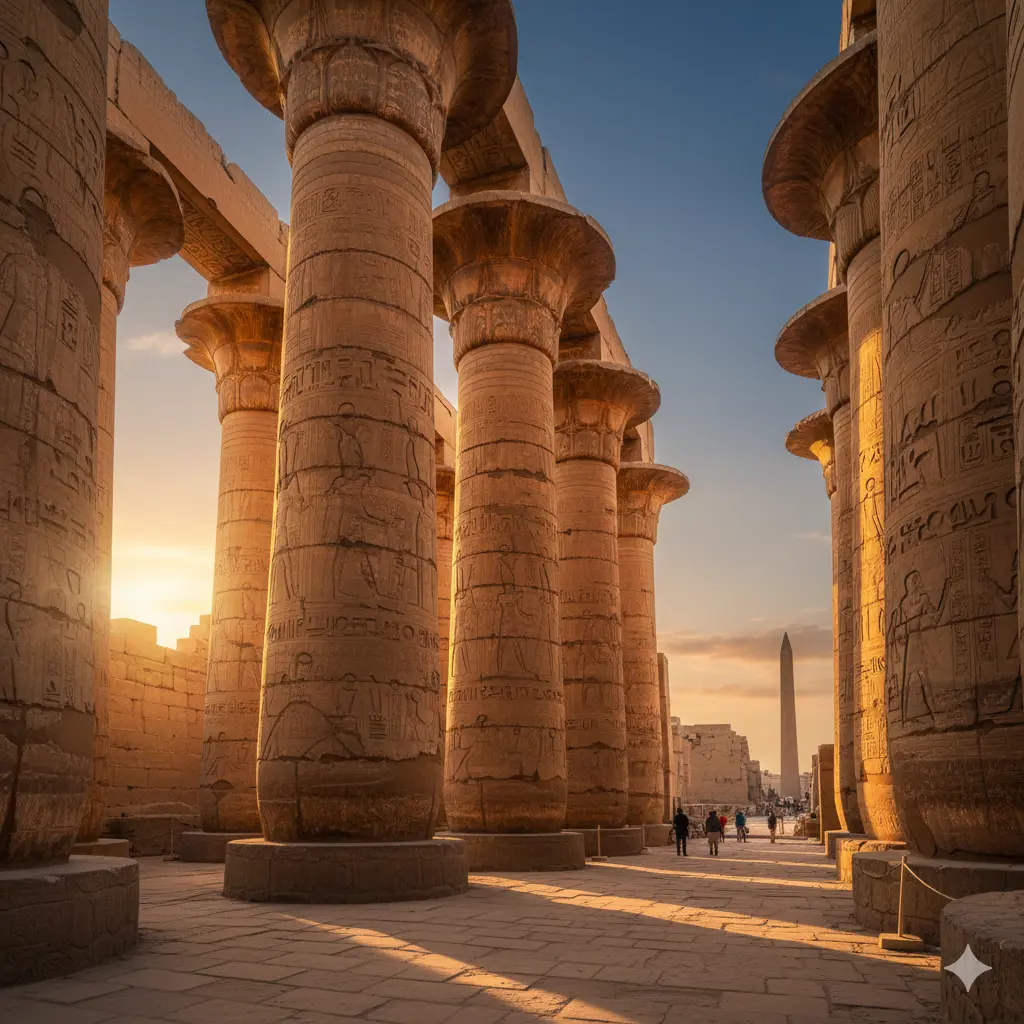
- Luxor: Karnak Temple and Luxor Temple
- Luxor West Bank: Valley of the Kings, Hatshepsut Temple
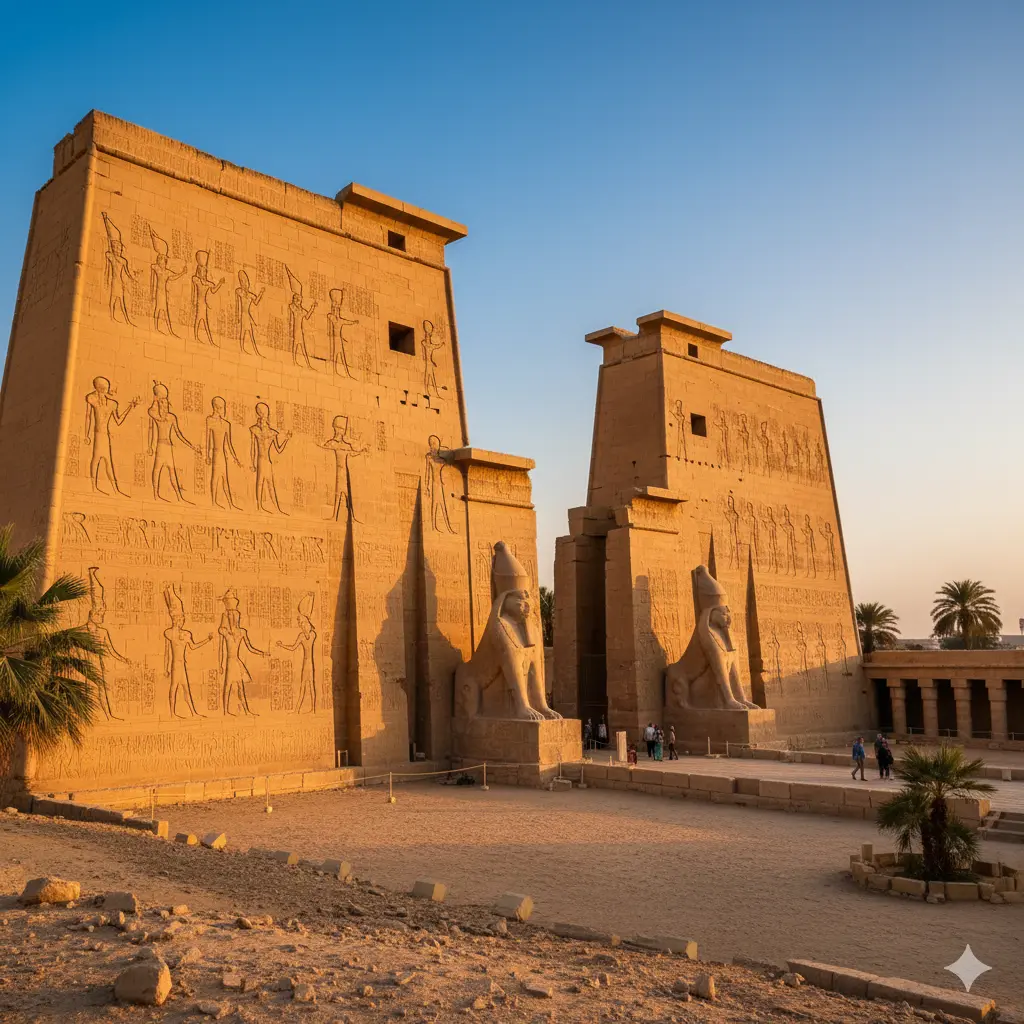
- En route: Edfu Temple, Kom Ombo Temple
- Aswan: Philae Temple (boat access), High Dam, Unfinished Obelisk
Pros (3 nights)
- Usually the lowest total cost (fewer nights)
- Fits well into a 7–10 day Egypt itinerary
- Great if you want the Nile cruise experience but also want time for Cairo, museums, or the Red Sea
Cons (3 nights)
- More “packed” days: touring + sailing + checking in/out
- Less flexibility if anything changes (late arrival, slower sailing, lock delays)
- Can feel rushed for travelers who want long temple visits or slow mornings
Good for
- First-time visitors who want the classic route
- Travelers who prefer “efficient touring”
- People who plan to add extra nights in Luxor and/or Aswan on land
4-night Nile cruise (extra time, slower pace)
A 4-night Luxor → Aswan cruise is commonly sold as 5 days / 4 nights. Many guides describe it as the “breathing room” version: similar big stops, but more time to relax, and sometimes more time at Edfu/Kom Ombo (or simply less rushing).
Pros (4 nights)
- A noticeably slower pace
- More time on deck for scenery (this is part of the point of cruising)
- Often feels more comfortable if you’re sensitive to early mornings or long touring days
Cons (4 nights)
- Higher total price (one extra night + sometimes higher package level)
- Can reduce time for Cairo or other areas unless your trip is longer
Good for
- Couples and honeymoon-style trips
- Multi-generation groups
- Travelers who want a true “unpack once” vacation rhythm
A quick 3 vs 4 nights comparison (practical)
- If your cruise is your “main event” in Egypt: 4 nights is usually better.
- If the cruise is one part of a busy itinerary: 3 nights is often enough.
- If your budget is mid-range or higher: upgrading from 3 to 4 nights can be one of the best comfort upgrades (often more impact than small cabin upgrades).
How much does a Nile cruise from Luxor to Aswan cost in 2026?
In 2026, a realistic way to think about pricing is: budget ($350–$800), deluxe ($650–$1,900), and luxury/boutique ($1,500–$3,000+), with the same cruise class costing more in peak season and holiday weeks. Your final cost also depends heavily on what is included (tours, entrance fees, transfers, drinks, tips).
The price unit that causes the most confusion
Before comparing numbers, confirm:
- Is the price per person or per cabin?
- Is it based on twin share (two people in one cabin)?
- Is there a single supplement for solo travelers?
- Does it include tours and entrance fees, or is it “ship only”?
Many “looks cheap” deals get expensive after adding:
- Transfers
- Guide fees
- Entrance tickets
- Gratuities/tips
- Optional excursions (especially Abu Simbel)
Budget Nile cruises (basic but clean ships, simpler food)
Budget Nile cruises can be a good deal if expectations are realistic. “Budget” here usually means:
- Older or simpler ship (but still safe and comfortable enough)
- Smaller cabins, simpler buffet
- Fewer premium features (spa, high-end décor, large pool area)
Typical 2026 price ranges (guidance)
- 3 nights: ~$350–$600 per person
- 4 nights: ~$450–$800 per person
Why these ranges are realistic:
- Some sites describe a “standard 4-day cruise” (often 3 nights) in roughly the $350–$500 range, and higher prices for more luxurious options.
- Other listings mention Nile cruise prices “starting from” the low-to-mid $400s.
When budget pricing jumps
Even budget ships can spike in price when:
- It’s October–April peak demand
- It’s Christmas/New Year or Easter weeks
- You choose a better cabin location (higher deck, better view)
Who budget cruises fit best
- Travelers who spend most days on tours and mostly want:
- A clean cabin
- Air-conditioning
- Simple meals
- Basic comfort between temple visits
Deluxe Nile cruises (mid-range, best value for most travelers)
Deluxe cruises are often the “sweet spot” for travelers who care about comfort but still want value. Many guides describe 5-star estimates that vary strongly by season, which is exactly what most travelers see in real browsing.
Typical 2026 price ranges (by season, per person, twin share)
These are example ranges published for 4D/3N and 5D/4N style itineraries:
- Shoulder seasons (often better value):
- 3 nights (4D/3N): $650–$1,000
- 4 nights (5D/4N): $800–$1,300
- Peak months (higher demand):
- 3 nights (4D/3N): $900–$1,600
- 4 nights (5D/4N): $1,100–$1,900
These seasonal ranges match what some 2025/2026 guides publish as “typical” estimates.
What you usually get with deluxe
Compared with budget, deluxe is more likely to have:
- Better-maintained cabins and bathrooms
- More reliable air-conditioning
- Stronger food quality and variety
- Better service and organization
- A more “hotel-like” feel on board
Who deluxe fits best
- Most couples and first-time visitors
- Travelers who want comfort after long sightseeing days
- People who want a smoother experience without paying ultra-luxury prices
Luxury Nile cruises (top ships, better service, boutique boats)
Luxury pricing is wide because “luxury” can mean very different products:
- A premium large ship with better cabins and service
- A suite-level ship experience
- A boutique boat (like a dahabiya) with a smaller group and a quieter vibe
Typical 2026 luxury/boutique guidance ranges
- 3 nights: ~$1,200–$2,500+
- 4 nights: ~$1,500–$3,000+
Real examples seen online include:
- “Luxury” offers listed from around $1,279 for a 4-day/3-night cruise and about $1,659 for 5-day/4-night (price floors that can move by season).
- Dahabiya-style listings commonly seen around $1,400–$2,300+ per person for 4-night trips (and higher depending on inclusions and group size).
Ultra-luxury, international-branded programs
If you look at longer, international-branded Nile programs that bundle multiple cities (often Cairo + cruise + hotels + many inclusions), published 2026 rates can run from roughly $4,000–$12,000+ per person for 9–12 nights depending on brand and cabin category. That is not the same product as a 3–4 night Luxor–Aswan cruise, but it explains why the top end of “Nile cruise price” can look very high.
Who luxury fits best
- Honeymoons and special occasions
- Travelers who care a lot about:
- Quiet atmosphere
- High service levels
- Better food and dining style
- A more exclusive feel
- People who prefer smaller boats over large floating hotels
What affects the cost most (the real price drivers)
Here are the biggest reasons two “similar” cruises can be hundreds of dollars apart:
- Season and holiday weeks
- October–April is widely described as peak or most popular due to mild weather.
- Holiday dates (Christmas/New Year, Easter) often add a premium.
- Inclusions (the biggest hidden cost)
Two cruises can look the same price, but one includes:
- Transfers
- Guide
- Entrance fees
…and the other does not.
- Cabin category
- Higher deck and better view usually costs more.
- “Suite” and “balcony” categories can add a lot quickly.
- Group vs private touring
- Group touring is cheaper.
- Private guide and private vehicle raise costs.
- Ship size and style
- Large ships can be cheaper per person.
- Boutique boats (especially dahabiya style) can be pricier due to fewer cabins.
What’s included in a Nile cruise (and what’s extra)
Most Luxor–Aswan Nile cruises include your cabin and meals (often full board). Tours, entrance fees, and transfers are sometimes included and sometimes treated as add-ons, depending on the package. Drinks, tips, and optional excursions are often extra.
This section helps you compare offers fairly, so the “cheap” price does not become expensive later.
What is usually included (typical)
Many cruise offers commonly include:
- Accommodation (en-suite cabin)
- Meals (often breakfast, lunch, dinner; “full board”)
- Onboard basics:
- Sun deck access
- Lounge areas
- Some entertainment (varies by ship)
Some packages also include:
- Guided tours with an Egyptologist
- Entrance fees for certain sites
- Transfers between Luxor/Aswan and the ship, or airport/train station pickup
But not all do. Some products are clearly sold “without excursions,” meaning the ship is the main inclusion and touring is separate.
What is often NOT included (common extras)
These items commonly add to the final cost:
- Drinks (especially alcohol; sometimes even soft drinks)
- Optional excursions, often:
- Abu Simbel
- Hot air balloon in Luxor
- Nubian village visits
- Tips/gratuities for crew and guides
- Some entrance fees (depending on package structure)
- Wi‑Fi (often limited or paid; varies a lot by ship)
Inclusions comparison table (typical, not guaranteed)
Always confirm your exact package before paying.
| Feature | Budget | Deluxe | Luxury / Boutique |
| Cabin + en-suite bathroom | Usually | Yes | Yes (often larger) |
| Meals (full board) | Often | Very common | Very common (higher quality) |
| Guided tours | Sometimes add-on | Often included in packages | Often included / higher guide ratio |
| Entrance fees | Often mixed | Often included in packages | Often included in premium programs |
| Transfers (pickup/drop-off) | Sometimes | Often | Often |
| Drinks included | Rare | Sometimes (limited) | More likely (or upgrade option) |
| Smaller boat / fewer passengers | Rare | Sometimes | More common (esp. boutique) |
The reason this matters: some offers clearly state that they include full-board accommodation and tours/fees/transfers, while other products are structured differently, so prices are not directly comparable without checking inclusions.
A “compare like-for-like” checklist (use this before booking)
When comparing two prices, confirm:
- Are tours included every day, or only some days?
- Are entrance tickets included (and which temples)?
- Is transport to temples included (for example, Edfu transport)?
- What is the tipping policy (suggested amounts, mandatory service charge, or optional)?
- What is the check-in day and direction (Luxor→Aswan vs Aswan→Luxor)?
- Are there any extra taxes, fuel surcharges, port fees?
Sample itineraries: 3 nights vs 4 nights (Luxor → Aswan)
A typical Luxor-to-Aswan Nile cruise includes Luxor’s major temples, then sails south with stops like Edfu and Kom Ombo, then ends in Aswan with Philae and other highlights. A 4-night cruise usually gives more breathing room and a less rushed pace, even when the core stops are similar.
Important: the order of visits can change by ship, sailing conditions, and operating schedule. Confirm your exact itinerary before paying.
Sample 3-night itinerary (4 days / 3 nights)
This is a “classic highlights” outline based on common patterns described in Luxor→Aswan itineraries.
| Day | Morning | Afternoon | Evening |
| Day 1 (Luxor) | Check-in / embarkation | Karnak Temple + Luxor Temple (or one of them) | Dinner onboard; sail or overnight in Luxor |
| Day 2 (Luxor → sailing) | Luxor West Bank: Valley of the Kings + Hatshepsut Temple | Sail south (often via Esna Lock) | Sunset on deck; overnight onboard |
| Day 3 (Edfu + Kom Ombo) | Edfu Temple visit | Sail to Kom Ombo; Kom Ombo Temple visit | Dinner onboard; sail toward Aswan |
| Day 4 (Aswan) | Aswan sights: Philae Temple (boat trip) | Disembark + transfer | Optional add-on planning (Abu Simbel next day, if staying) |
These stops are commonly mentioned as part of the Luxor–Aswan route: Luxor’s main temples, the West Bank, Edfu, Kom Ombo, and Aswan’s major sights including Philae.
Sample 4-night itinerary (5 days / 4 nights)
A 4-night version often spreads the same highlights over an extra night, giving more rest or slower touring.
| Day | Morning | Afternoon | Evening |
| Day 1 (Luxor) | Check-in / embarkation | Luxor East Bank (Karnak and/or Luxor Temple) | Dinner + overnight in Luxor |
| Day 2 (Luxor West Bank) | Valley of the Kings + Hatshepsut Temple | Sail south; relax onboard | Onboard entertainment / early night |
| Day 3 (Sailing + Edfu) | Easy morning on deck | Edfu Temple visit | Sail onward; overnight onboard |
| Day 4 (Kom Ombo → Aswan) | Kom Ombo Temple visit | Arrive in/near Aswan | Free time / optional Nubian-style evening |
| Day 5 (Aswan) | Philae Temple + Aswan highlights | Disembark + transfer | Optional extra night in Aswan |
Why this feels better for many travelers:
- More “empty space” in the schedule
- Less chance of feeling rushed if something runs late
- More rest, especially in hot months
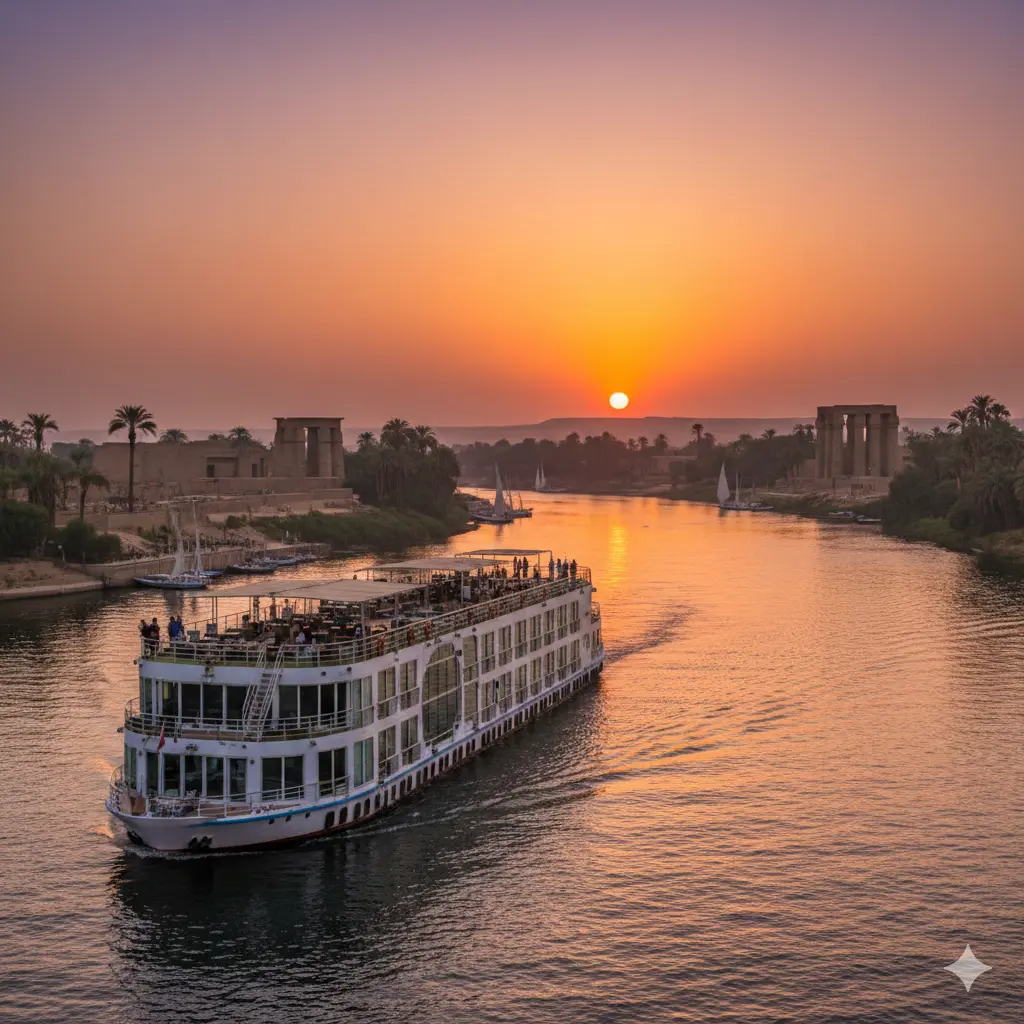
When is the best time for a Nile cruise Luxor to Aswan?
For most tourists, the best time is October to April for comfortable sightseeing weather. May and September can be good value months if you can handle warmth. June to August is very hot in Luxor and Aswan, but deals can appear because demand is lower.
Why weather matters for price (more than many people expect)
The Luxor–Aswan route is in Upper Egypt, where summer heat can be intense. Some climate sources show July averages around 41°C / 106°F in Luxor and Aswan.
That affects:
- How comfortable temple touring feels (many sites have limited shade)
- How much you use air-conditioning (comfort depends on ship quality)
- Demand (and therefore pricing)
Typical seasonal pattern (practical planning)
- October–April: best weather, highest demand, highest prices
- May + September: often warm but sometimes better value
- June–August: extreme heat risk; prices can drop, but comfort can drop too
High-season weeks to watch (often expensive)
Even if you find a good average price, it can jump during:
- Christmas and New Year weeks
- Easter / spring school holidays (varies by country)
- Big festival or event weeks (less predictable)
The safest approach is:
- Choose dates first for weather comfort
- Then compare offers and inclusions within those dates
How to choose the right Nile cruise for your budget
If you mainly care about temples and you’re happy with simple comfort, a budget cruise can be fine. If you want the best mix of comfort and price, deluxe is often the best choice. If this is a special occasion (or you want a small-boat feel), luxury or boutique cruises can be worth it.
When a budget Nile cruise is “good enough”
A budget cruise can work well if:
- You plan to be off the ship most days sightseeing
- You’re not picky about food variety
- You mainly need a clean cabin and reliable AC
Budget traveler checklist
- ✅ Clear itinerary with named temples and clear schedule
- ✅ Recent reviews mentioning cleanliness and AC
- ✅ Photos of the real cabin (not just marketing images)
- ✅ Clear inclusions list (meals, tours, transfers)
When upgrading to deluxe is worth it
Deluxe is usually worth it if:
- You care about sleep quality (bed, noise control)
- You want better food and smoother service
- You want a more comfortable base after long temple days
Deluxe upgrade signs
- Better cabin bathrooms and maintenance
- Better organization for temple visits
- Less stress around logistics (especially if tours/transfers are included)
Who should pay for luxury
Luxury or boutique cruises are often worth it for:
- Honeymoons
- Travelers who want quiet time and high service
- People who want smaller boats (often pricier per person)
“Good signs” of a quality ship and package
- A detailed, day-by-day itinerary (not vague promises)
- Named inclusions (which temples, which transfers, which meals)
- Clear cabin specs (size, window type, deck)
- Clear policy for:
- tipping
- drinks
- optional excursions
- cancellation
“Red flags” to avoid
- Very vague itineraries (“visit attractions”) with no temple names
- No clear list of what is included vs excluded
- No recent reviews or only perfect reviews
- Price looks too low but:
- tours are extra
- transfers are extra
- entrance fees are extra
- No clear start day and direction (Luxor→Aswan vs Aswan→Luxor)
Practical tips for booking a Nile cruise
To avoid surprises, compare cruises by total trip cost (not just headline price), confirm inclusions in writing, and double-check the direction and departure day before you pay. Booking timing also matters: peak months sell faster, so booking weeks ahead can help you get the ship and cabin you want.
Booking direct vs via agent vs via hotel (how to decide)
There is no single “best” method. Each has trade-offs:
Booking direct (with a provider)
- Pros: sometimes easier to customize; direct communication
- Cons: you must compare inclusions carefully; support quality varies
Booking via a travel agent / packaged tour
- Pros: can bundle Cairo hotels, domestic flights, guides, cruise; easier planning
- Cons: can be more expensive; less flexibility
Booking via your hotel in Luxor or Aswan
- Pros: convenience, local help
- Cons: you still need to confirm what is included and get details in writing
Read the small print: the 10 items to confirm
- Exact route (Luxor→Aswan, not the reverse)
- Total nights (3 vs 4)
- Cabin category (deck level, view type)
- Meals (full board or not)
- Tours included? (which days, which temples)
- Entrance fees included? (or you pay at the gate)
- Transfers included? (pickup/drop-off points)
- Drinks policy (what is free; what is paid)
- Tipping guidance (suggested or mandatory)
- Cancellation policy (deadlines, fees, refund method)
How far in advance should you book?
For peak season sailings, some guides recommend booking several weeks ahead (for example, around 6–10 weeks) to get better cabin choice.
In practice:
- If you care about a specific ship or suite, book earlier.
- If you just want “a decent deluxe ship,” you may find options closer to departure, but choice can be limited.
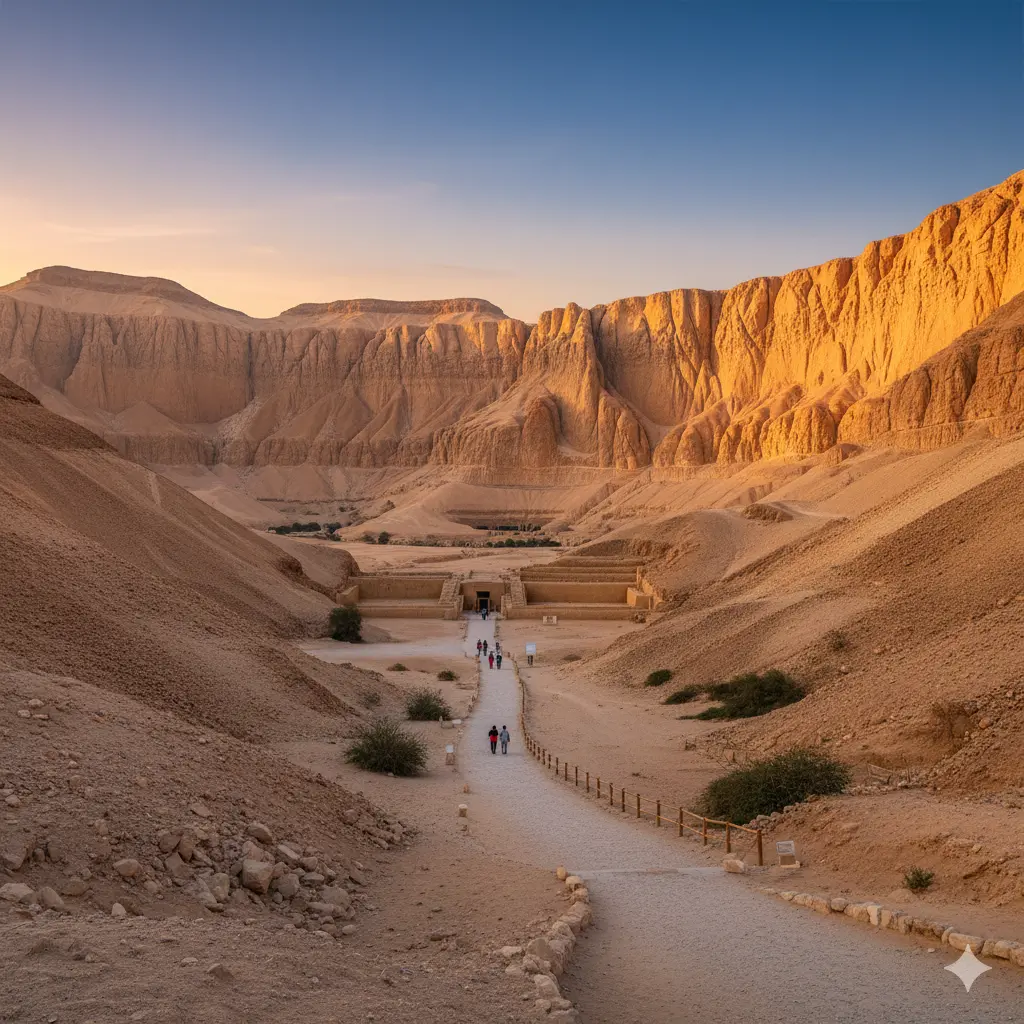
Confirm departure days and direction
Some cruises publish set schedules (for example, sailing days like Saturday/Monday/Thursday are common on certain listings).
Do not assume:
- “Luxor cruise” always means Luxor→Aswan
- “4 days” always means 3 nights
Always confirm:
- Embark day/time
- Disembark day/time
- Which city you end in
Is Nile cruising safe in Egypt in 2026?
Most tourists do Nile cruises in Upper Egypt without serious problems, but the right way to think about safety is: follow official travel advice, use reputable operators, and stay alert in crowded areas. Government travel advisories commonly recommend caution in Egypt overall and provide specific regional guidance.
What official advisories generally say (in plain language)
- The U.S. State Department provides an Egypt travel advisory and safety guidance for U.S. citizens.
- The UK FCDO gives area-by-area guidance and lists places like Luxor and Aswan in its detailed notes about where certain restrictions do and do not apply.
- The Government of Canada advises a high degree of caution and specifically mentions Luxor and Aswan under its guidance.
Because situations can change, check your own government’s latest page close to travel dates.
Practical safety tips for a Luxor–Aswan cruise
- Use official pickup points and keep your booking details handy.
- Do not carry large amounts of cash on touring days.
- Dress modestly for temples and towns (also helps reduce unwanted attention).
- Expect vendors at major sites; polite refusal is normal.
- Keep passport and valuables secure; bring copies for daily touring.
Total trip planning: how many days to budget for Luxor + cruise + Aswan?
If the Nile cruise is the highlight of your Egypt trip, plan at least 5–8 days for the Luxor + cruise + Aswan part (including extra land nights). This makes the trip feel far less rushed than “arrive and immediately board.”
Simple planning options
Option A: “Efficient highlights” (5–6 days total)
- 1 night Luxor (arrive, rest)
- 3-night cruise Luxor→Aswan
- 1 night Aswan (optional Abu Simbel planning the next day)
Option B: “Comfort pace” (7–8 days total)
- 2 nights Luxor (East + West Bank with breathing room)
- 4-night cruise Luxor→Aswan
- 1–2 nights Aswan (Philae + felucca + day trip options)
This extra time can also reduce the feeling that you’re “racing” between temples.
Frequently Asked Questions
How much is a 3-night Nile cruise from Luxor to Aswan in 2026?
A realistic planning range is around $350–$600 per person for budget options and around $650–$1,600 for deluxe, depending on season and what is included. Some guides list shoulder vs peak season ranges for 4D/3N itineraries that show big swings.
At the time of writing, always treat prices as estimates and re-check before booking.
How much is a 4-night Nile cruise from Luxor to Aswan in 2026?
A realistic planning range is around $450–$800 for budget options and around $800–$1,900 for deluxe, depending on season and inclusions.
Luxury or boutique boats can be higher, especially for smaller boats and premium programs.
Is a 3-night Nile cruise enough, or should you choose 4 nights?
For many first-time visitors, 3 nights is enough to see the core temples between Luxor and Aswan. 4 nights is better if you want a calmer pace and more relaxation time onboard.
If heat is a concern or you’re traveling with older relatives, 4 nights often feels easier.
What is included in a Nile cruise from Luxor to Aswan?
Usually: your cabin and meals (often full board). Many packages also include guided visits, entrance fees, and transfers, but not all do—some cruises are sold “without excursions.”
Always ask for an inclusion list in writing.
Are Nile cruises all-inclusive?
Some are close to all-inclusive, but many are not. Drinks, tips, and optional excursions are often extra, and entrance fees may be handled differently depending on the package.
Do not assume “full board” includes drinks.
Do you need to tip on a Nile cruise?
Tipping is common on Nile cruises (crew, guides, drivers). Policies differ by operator and package, so confirm whether there is a suggested amount or a fixed service charge.
At the time of writing, the safest approach is to ask for a written tipping guideline before you travel.
Is a Nile cruise suitable for children or elderly travelers?
Often yes, especially on 4-night trips that feel less rushed. Some guides explicitly note cruises can work for families; the key is choosing a pace that fits your group.
For elderly travelers, check cabin location (stairs/elevator), medical needs, and tour intensity.
Is Nile cruising safe in Egypt in 2026?
Many tourists cruise without major issues, but official government advisories commonly advise caution and provide region-specific guidance. Check your government’s current advice close to departure.
Use common-sense precautions at busy sites and follow local instructions.
What is the best time for a Nile cruise Luxor to Aswan?
For most travelers, October to April is best for comfortable sightseeing weather.
Summer can be extremely hot (often around 41°C / 106°F in July), which can reduce comfort even if prices look good.
How far in advance should you book a Nile cruise in peak season?
For popular months, booking weeks ahead can help you get the ship and cabin you want. Some guides suggest booking around 6–10 weeks ahead for peak periods.
If you are traveling during holiday weeks, booking earlier is usually safer.
Suggested External Links
Only official or highly authoritative sources are suggested below.
Experience Egypt (official tourism promotion portal) — trip basics and travel info
“official Egypt travel information”
Egypt Ministry of Tourism & Antiquities (official ministry site) — official news and information
“Egypt Ministry of Tourism and Antiquities”
Discover Egypt’s Monuments (Ministry of Tourism & Antiquities portal) — background on key heritage sites
“Egypt monuments and heritage sites”
UNESCO: Ancient Thebes with its Necropolis (Luxor) — authoritative site context
“UNESCO Ancient Thebes (Luxor)”
UNESCO: Nubian Monuments from Abu Simbel to Philae — authoritative site context
“UNESCO Abu Simbel to Philae”
U.S. State Department: Egypt Travel Advisory — safety and entry guidance
“U.S. travel advisory for Egypt”
UK FCDO: Egypt travel advice — area-by-area guidance
“UK travel advice for Egypt”
Government of Canada: Egypt travel advice — safety guidance
“Canada travel advice for Egypt”