Nile River History in Ancient Egypt
The history of the Nile River is, in many ways, the history of ancient Egypt itself. For more than 5,000 years, this single waterway shaped where Egyptians lived, what they farmed, how they worshipped, and how their civilization came to dominate the ancient world. This guide traces the Nile’s role through Egyptian history, from the earliest predynastic settlements to the engineering projects that transformed it in the modern era.
The Nile River: Historical Timeline
Why Ancient Egypt Formed Along the Nile
The Gift of the Nile
The Greek historian Herodotus famously described Egypt as “the gift of the Nile,” a phrase that has endured for over two thousand years because it captures a simple truth: without the river, ancient Egyptian civilization could not have developed where and how it did. Surrounded by desert on nearly all sides, the narrow, fertile floodplain created by the Nile’s annual flooding was essentially the only viable place in the region to sustain large-scale farming and permanent settlement.
The Annual Flood That Built a Civilization
Before modern dam control, the Nile flooded predictably every year, arriving in mid-summer and depositing a fresh layer of nutrient-rich black silt across the floodplain as it receded. This predictable cycle allowed early Egyptians to develop sophisticated agricultural planning, dividing their calendar into three seasons — Akhet (flooding), Peret (growing), and Shemu (harvest) — that structured nearly every aspect of daily and religious life.
The Nile in Predynastic and Early Dynastic Egypt
Long before the pharaohs, small farming communities settled along the Nile’s banks as early as 6000 BCE, gradually developing the agricultural surplus, trade networks, and social organization that would eventually give rise to unified Egyptian statehood around 3100 BCE under King Narmer. The Nile’s role as a natural transportation corridor connecting Upper and Lower Egypt is considered one of the key factors that made this early unification possible, allowing rulers to project authority across a kingdom that would otherwise have been difficult to administer.
The Nile During the Old, Middle, and New Kingdoms
Old Kingdom: The Pyramid Age
During the Old Kingdom, the agricultural surplus generated by Nile flooding freed up enough labor and resources to support the construction of Egypt’s greatest pyramids, including those at Giza and Saqqara. The Nile also served as the primary transport route for the massive stone blocks used in construction, floated downriver on barges from quarries in Upper Egypt and Aswan.
Middle Kingdom: Irrigation Expansion
Middle Kingdom pharaohs, particularly during the 12th Dynasty, invested heavily in expanding irrigation infrastructure around the Faiyum region, using the Nile’s waters to reclaim additional farmland and further stabilize Egypt’s food supply beyond the natural floodplain.
New Kingdom: The Nile’s Golden Age
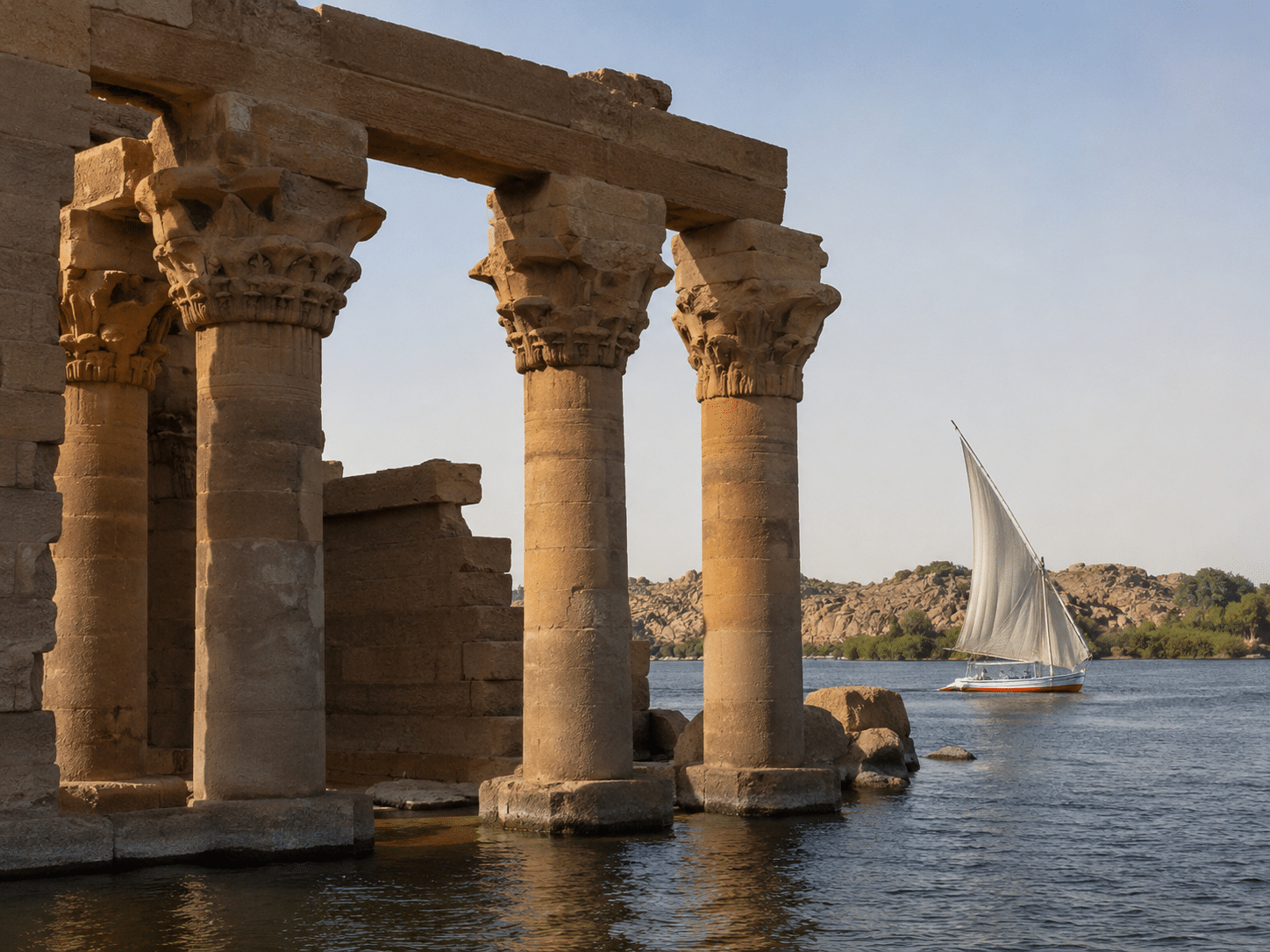
During the New Kingdom, Egypt reached the height of its imperial power, and the Nile became lined with some of history’s most spectacular temple complexes, including Karnak and Luxor Temple. Pharaohs such as Ramesses II built extensively along the riverbanks, deliberately positioning monuments to be seen and admired from the water.
The Nile in the Greco-Roman Period
After Alexander the Great’s conquest of Egypt in 332 BCE, the Ptolemaic dynasty and later Roman administrators continued to rely heavily on the Nile for both agriculture and trade, exporting Egyptian grain across the Mediterranean world. Egypt effectively became the “breadbasket” of the Roman Empire, with Nile-grown wheat shipped to feed the population of Rome itself — a role that underscored just how central the river remained to Egypt’s economic identity even under foreign rule.
The Modern Transformation of the Nile
The Aswan Low Dam and Aswan High Dam
The first Aswan Dam was completed by the British in 1902, an early attempt to control the Nile’s flow for irrigation purposes. It was later superseded by the much larger Aswan High Dam, completed in 1970, which fundamentally transformed the river by ending the annual flood cycle that had defined Egyptian agriculture for thousands of years, replacing it with a year-round, engineered water supply and hydroelectric power source.
The Creation of Lake Nasser
The Aswan High Dam created Lake Nasser, one of the largest artificial lakes in the world, submerging a significant stretch of ancient Nubia and requiring the historic relocation of monuments including the Abu Simbel temples to save them from being lost underwater.
The Nile’s Historical Legacy in Modern Egypt
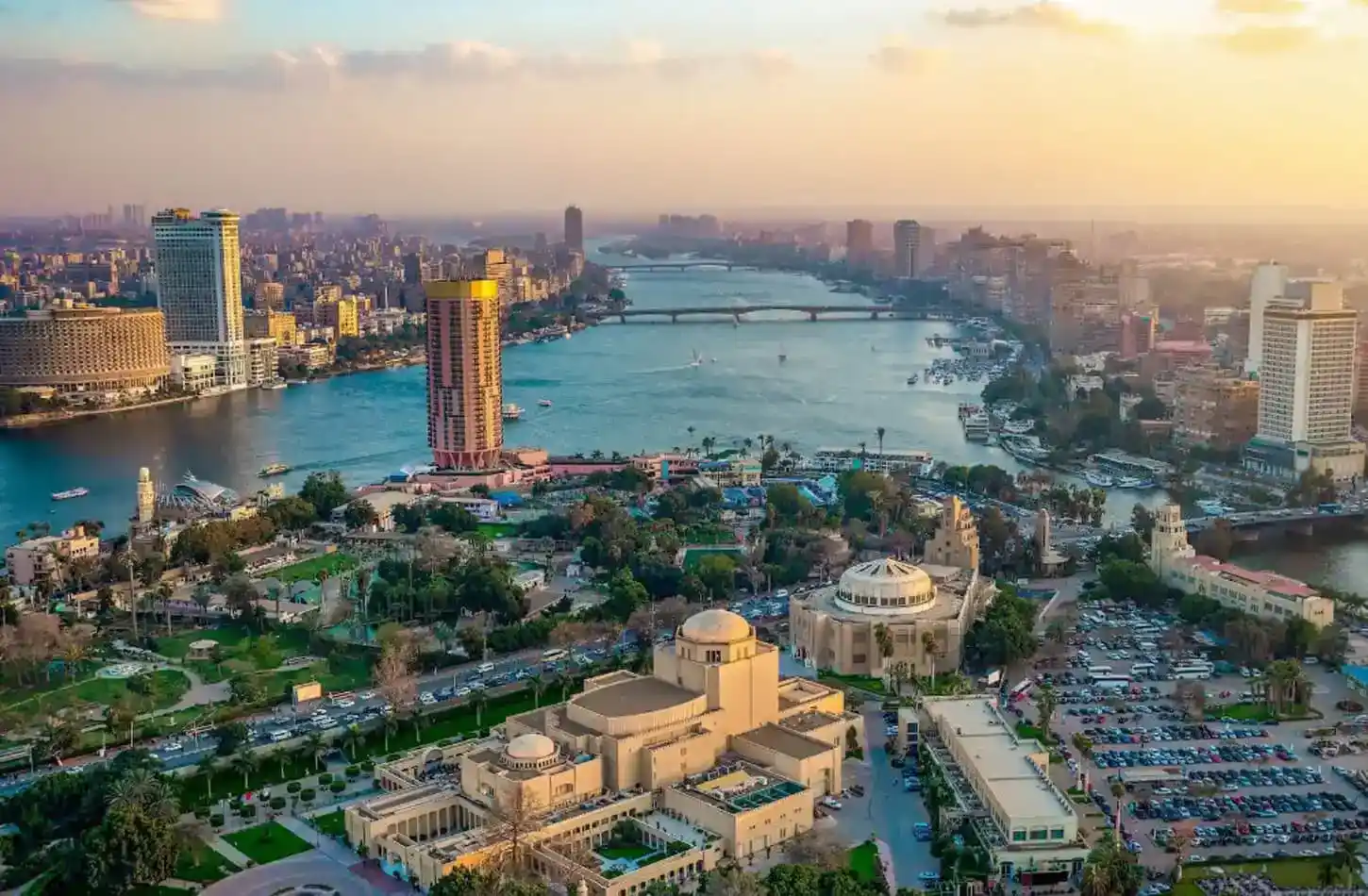
Today, the Nile continues to define where the vast majority of Egyptians live, work, and farm, with over 95% of the population still concentrated along its banks and delta. Its historical role as a unifying force is reflected in the location of nearly every major Egyptian city, from Cairo and Luxor to Aswan, all positioned along the same river that shaped Egyptian civilization from its very beginning.
Frequently Asked Questions
Why is the Nile called “the gift of the Nile”?
The phrase, attributed to the Greek historian Herodotus, reflects how ancient Egyptian civilization depended almost entirely on the Nile’s annual flooding and fertile silt to sustain agriculture in an otherwise desert landscape.
How did the Nile shape ancient Egyptian civilization?
The Nile’s predictable annual flood created fertile farmland, generated agricultural surpluses that supported monument-building and centralized government, and served as a natural transportation corridor that helped unify Egypt into one of the world’s first nation-states.
When did the Nile’s natural flooding stop?
The natural annual flood cycle effectively ended with the completion of the Aswan High Dam in 1970, which replaced it with a controlled, year-round water management system.
Did the Nile always flow the same way it does today?
While its general path has remained largely consistent for millennia, minor course shifts have occurred over time, including changes that contributed to the eventual abandonment of the ancient city of Pi-Ramesses in the Nile Delta.
What role did the Nile play under Roman rule?
Under Roman administration, Egypt’s Nile-fed agriculture made it a major grain exporter, effectively serving as one of the primary breadbaskets supplying the city of Rome itself.
How is the Nile’s history connected to Egypt’s pyramids and temples?
The Nile provided both the agricultural surplus needed to support large construction workforces and the transportation route used to move massive stone blocks from quarries to building sites, including at Giza and Luxor.
Final Thoughts
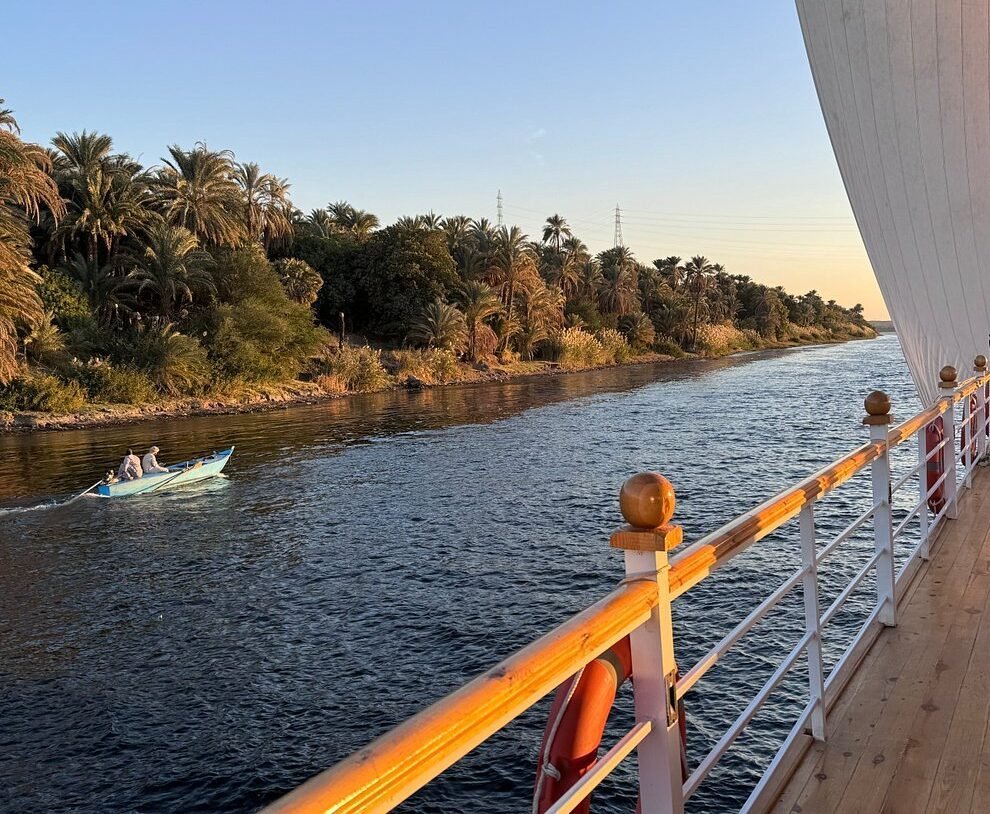
The history of the Nile is inseparable from the history of Egypt itself — from the earliest predynastic farming settlements through the golden age of pharaonic temple-building, and into the modern engineering projects that reshaped the river entirely. Sailing the same waters today, whether on a traditional felucca or a multi-day Nile cruise, remains one of the most direct ways to connect with more than 5,000 years of continuous history along a single river.
🛥️ Want to trace this history firsthand? Pure Nile Tours offers guided Nile cruises between Luxor and Aswan, sailing past the same temples and landscapes that shaped ancient Egyptian civilization. View Tours → (https://pureniletours.com)