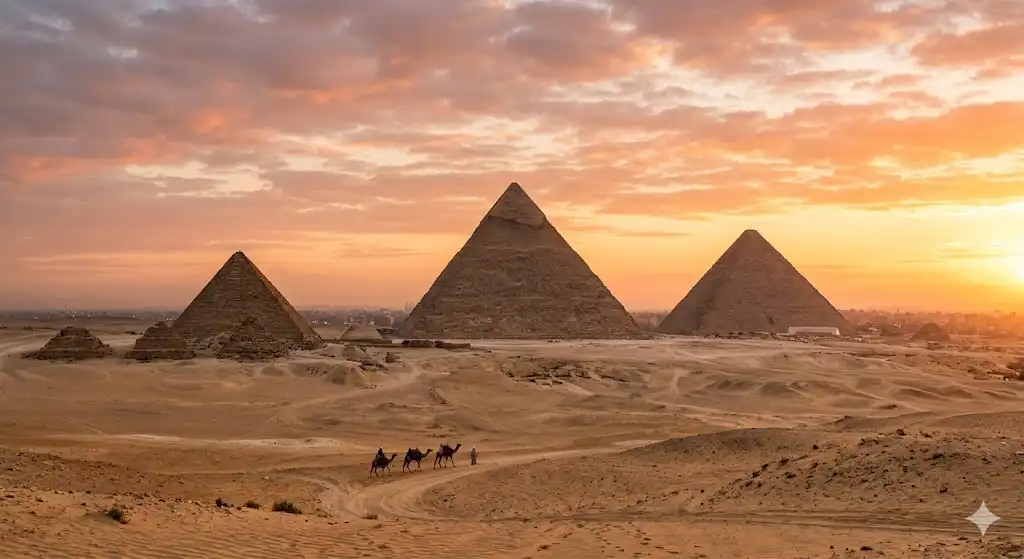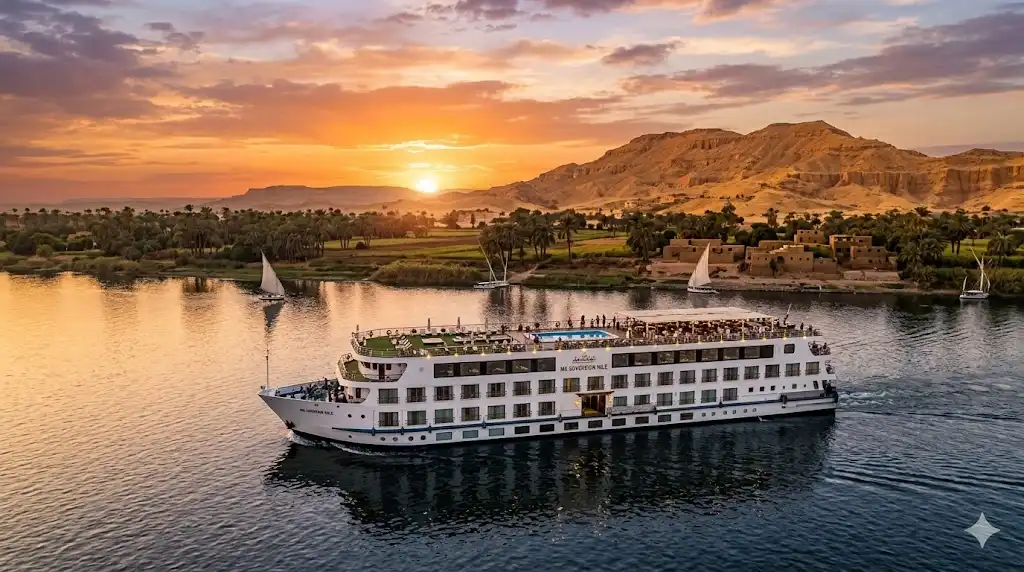
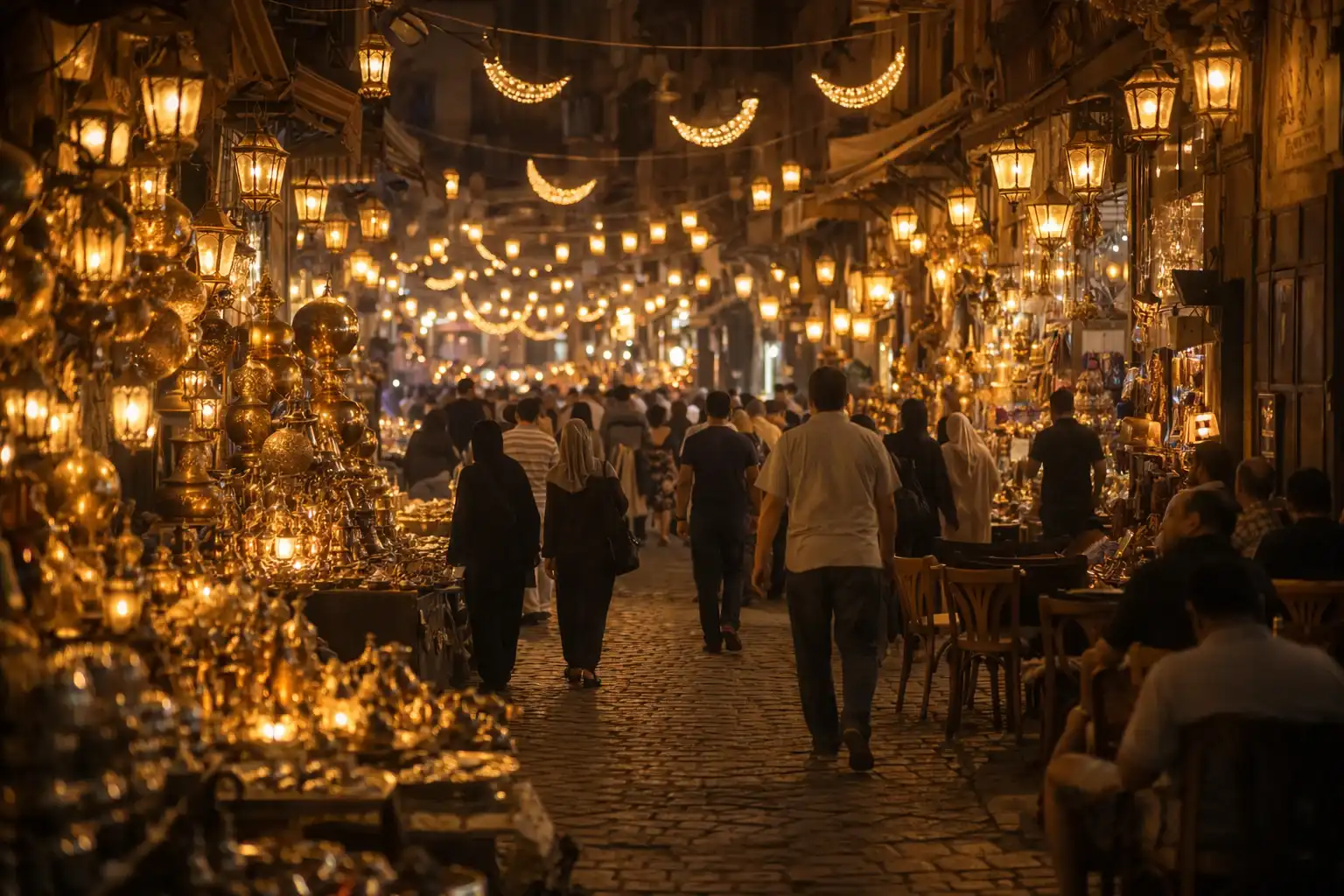
Ramadan vibes in Egypt often feel like two trips in one: calm, slower days followed by lively, community-filled nights. For first-time visitors from the US and UK, the experience is usually very positive – especially when travel plans follow the local rhythm and respectful customs. Because Ramadan dates change each year according to the lunar calendar, and opening hours for attractions and restaurants may shift, it’s wise to double-check schedules during the week of travel through official websites or your hotel concierge.
Quick answer: What is Ramadan like in Egypt for tourists?
Egypt during Ramadan at a Glance
Best places for Ramadan vibes (tourist-friendly):
-
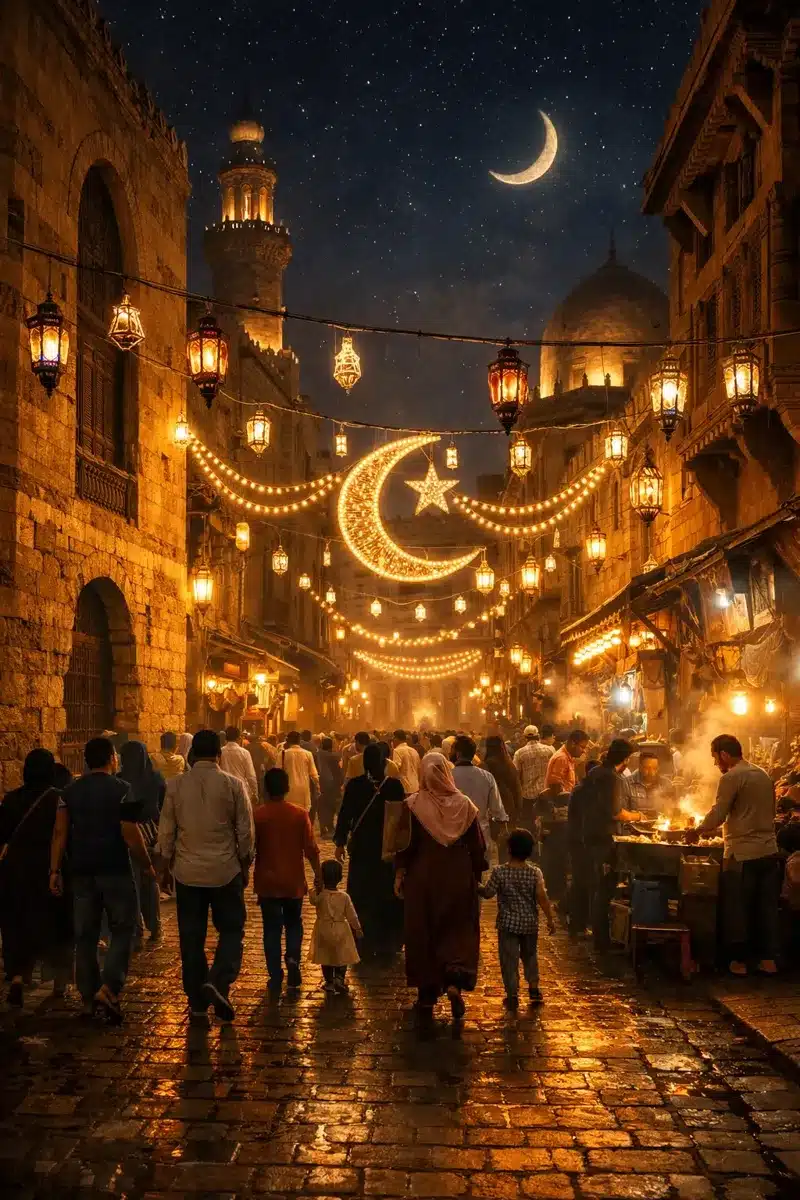
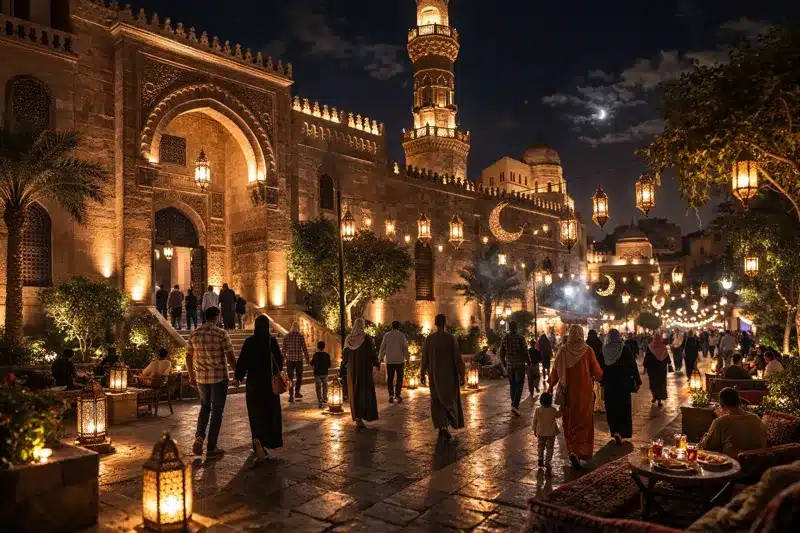
Cairo first: Islamic Cairo after sunset (Al-Hussein area, Khan el Khalili, Al-Muizz Street) delivers the strongest “Ramadan nights in Cairo” feeling.
-
Alexandria: evening corniche strolls and café culture.
-
Luxor/Aswan: calmer nights; hotel-led iftar/suhoor experiences; early mornings for temples.
-
Red Sea resorts: more contained, predictable dining; easier if you want a gentler introduction.
Best time of day for tourists:
-
Mornings (8:00–12:00): top window for pyramids/museums/temples.
-
Late afternoon: rest, pool, or a slow café (some places are quieter).
-
After sunset to late night: the “Ramadan vibes” peak—walks, lights, desserts, tents, social energy.
Top highlights to plan around:
-
An Islamic Cairo night walk (Al-Muizz Street + Khan el Khalili area)
-
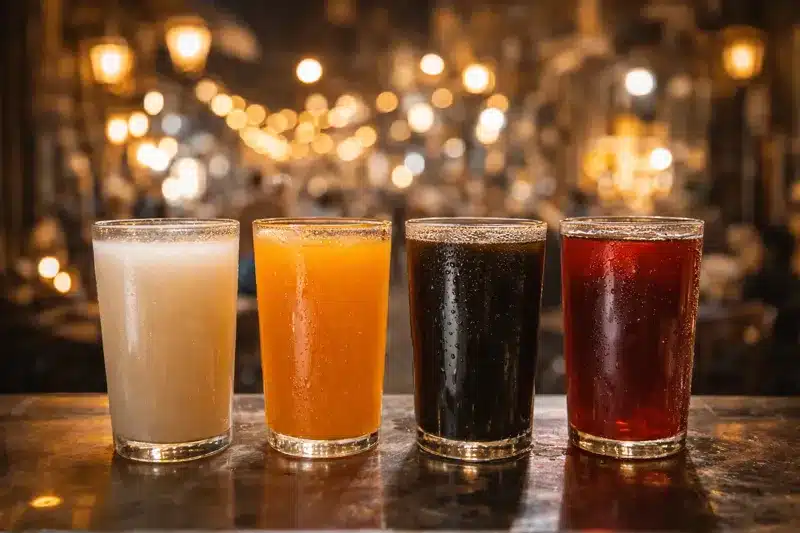
Trying classic Ramadan drinks in Egypt (sobia, qamar el din, tamar hindi)
-
One Ramadan tent experience (iftar or suhoor)
-
A respectful look at taraweeh ambience near major mosques (observe from a distance)
-
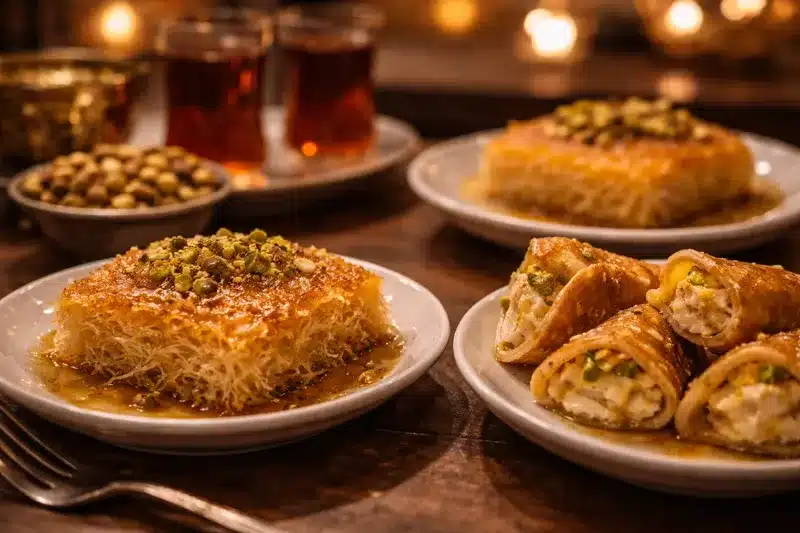
Dessert time: kunafa and qatayef
Table 1: Ramadan day vs night rhythm (what to plan when)
| Time window | Sightseeing | Meals | Transport | Vibe / what you’ll notice |
|---|---|---|---|---|
| Morning (after sunrise) | Best time for major sites | Hotel breakfast is easiest | Roads can be smoother | Normal city pace in tourist zones |
| Midday–late afternoon | Indoor museums can work; energy dips | Daytime dining is limited outside hotels | Traffic builds later | Quieter streets in some areas |
| Pre-iftar (1–2 hrs before sunset) | Avoid long drives if possible | Plan to be settled | Busy, impatient traffic | People rushing home; shops may pause |
| Iftar (sunset) | Pause and observe respectfully | Many venues serve set iftar | Roads can briefly clear then fill | A “reset” moment across the city |
| After iftar–late night | Some attractions/areas feel alive | Best time for local food + desserts | Ride-hailing helpful; late movement | Lights, lanterns, crowds, families |
| Pre-dawn (suhoor window) | Not for most sightseeing | Suhoor tents/venues | Quieter again | Some areas still active; wake-up traditions |
(Timings are approximate and vary by season and location. At the time of writing, confirm daily iftar timing locally.)
Table 3: Budget ranges (per person, per day, approximate)
| Style | Daily spend (USD) | Daily spend (GBP) | What it covers (typical) |
|---|---|---|---|
| Budget | $35–$70 | £28–£55 | Simple hotels/hostels, street food + casual dining, metro/ride-hailing basics |
| Mid-range (default) | $80–$160 | £65–£130 | Comfortable hotel, a mix of cafés + restaurants, a paid experience (like a tent), frequent ride-hailing |
| Luxury | $220–$450+ | £175–£360+ | High-end hotel, upscale iftar/suhoor tent, private driver options, premium dining |
Prices vary by city, season, and exchange rate. At the time of writing, treat these as planning ranges, not fixed quotes.
Best time to visit Egypt: Ramadan vs winter (simple comparison)
-
Winter peak (roughly Nov–Feb): cooler sightseeing weather; standard schedules; often higher demand.
-
Visiting Egypt during Ramadan: unique cultural atmosphere; schedule shifts; some daytime closures; nights are the star.
What changes in Egypt during Ramadan? Discover the Ramadan vibes in Egypt
1) Business hours shift
Many businesses adjust working hours. Some shops open later, take long afternoon breaks, and stay open late into the night—especially in busy areas. Restaurants can be the biggest change: local eateries may pause daytime service and return strongly after sunset.
2) Daytime is calmer, nighttime is social
During fasting hours, you’ll often notice less public eating and a quieter feel in some neighborhoods. After sunset, families and friend groups go out; dessert shops and cafés can be packed; promenades and bazaars feel energetic.
3) Attractions may shorten hours (varies)
Many tourists worry: “Are tourist attractions open during Ramadan in Egypt?” Often yes, but with possible reduced hours or adjusted last entry times depending on the site. Treat this as “varies by attraction”—check official pages or ask your hotel the same day.
4) Traffic patterns are predictable
-
Pre-iftar rush: avoid airport runs or cross-city drives right before sunset if you can.
-
Late-night movement: after iftar and taraweeh, more people are on the roads later than usual.
Visiting Egypt during Ramadan: planning basics (dates, routines, expectations)
Ramadan dates change yearly. Because Ramadan follows the lunar calendar, the start and end dates shift each year and are confirmed locally. If you see “Ramadan in Egypt 2026” content online, use it as a rough planning guide and confirm the actual dates with official announcements closer to travel.
Key terms you’ll hear
-
Iftar: the meal at sunset that breaks the fast.
-
Suhoor: the pre-dawn meal before fasting starts again.
-
Taraweeh: special evening prayers many Muslims attend during Ramadan.
Sleep strategy (especially in Cairo)
-
If you’re sensitive to noise, consider:
-
a room not facing the main street,
-
a hotel known for good soundproofing,
-
earplugs as a backup.
-
-
Plan an afternoon break so you can enjoy the best atmosphere after dark.
A simple daily plan that works
-
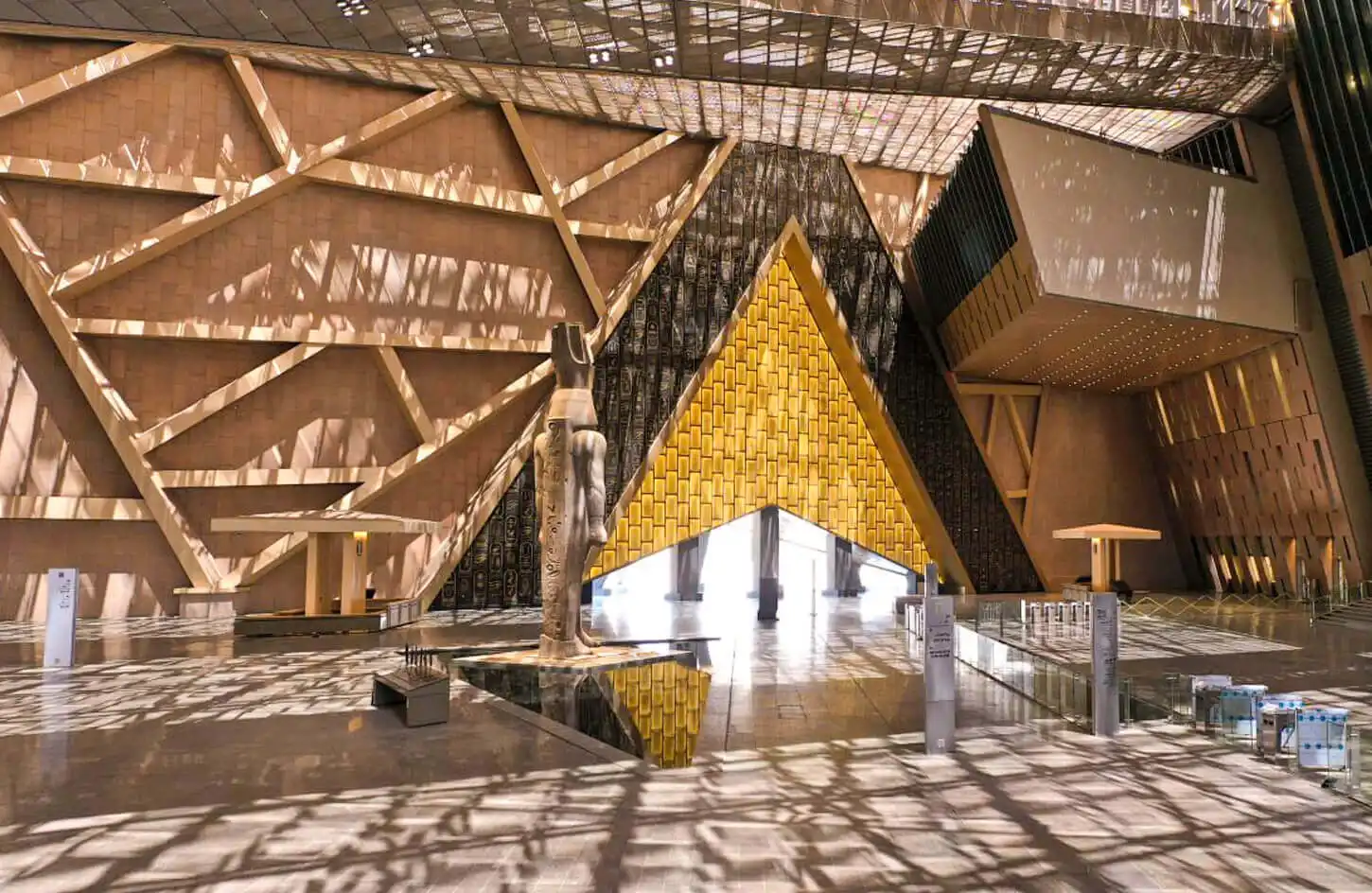
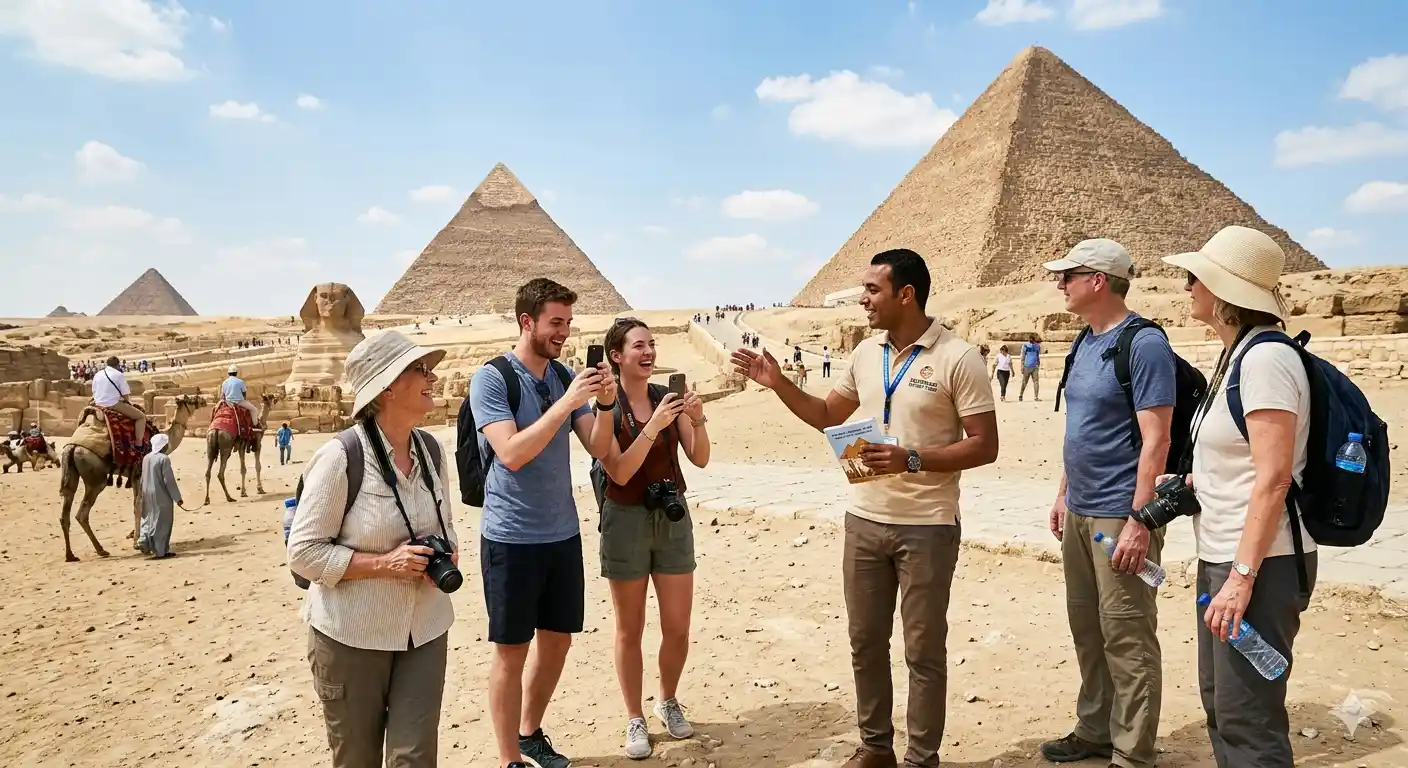
Morning: big-ticket sights (pyramids, museums)
-
Afternoon: rest + light planning
-
Evening: Ramadan vibe walk + food + dessert
Can tourists eat or drink in public during Ramadan in Egypt?
The respectful short answer: Tourists are not required to fast, but it is usually best to avoid eating, drinking, or smoking in public during daylight hours in busy local areas. Choose indoor or private spaces when possible, and follow cues from the people around you.
Practical, tourist-friendly alternatives
-
Hotel breakfast/lunch: Many hotels continue to serve guests during the day.
-
Discreet indoor spots: Some cafés and restaurants (especially in tourist-heavy areas) may serve behind curtains or in quieter indoor rooms—this varies.
-
Delivery: In large cities, delivery can be a simple daytime solution.
-
Carry water, but be mindful: In extreme heat or on long site visits, hydration matters. Consider sipping discreetly away from crowds.
What about kids, medical needs, and long touring days?
-
Children are generally not expected to follow fasting rules, but parents often keep snacks discreet in public.
-
If you have a medical need (diabetes, pregnancy, medications), prioritize health and be discreet. A private corner, your vehicle, or indoors is a good approach.
Do/Don’t etiquette (quick table)
| Do | Don’t |
|---|---|
| Eat and drink in hotel spaces or discreet indoor places | Eat a full meal on a busy street in a local neighborhood at midday |
| Dress modestly in religious/historic areas | Wear very revealing outfits in conservative areas, especially at night crowds |
| Ask before photographing people | Photograph worshippers up close during prayers |
| Plan your day around early sightseeing | Expect “normal” dinner times everywhere |
Official-advice framing (UK/US travelers): For safety and local-customs guidance, check the UK FCDO Egypt advice and US State Department advisory before travel.
-
UK FCDO safety & security page: https://www.gov.uk/foreign-travel-advice/egypt/safety-and-security
-
US State Department Egypt advisory: https://travel.state.gov/en/international-travel/travel-advisories/egypt.html
Ramadan nights in Cairo: where to feel the vibe
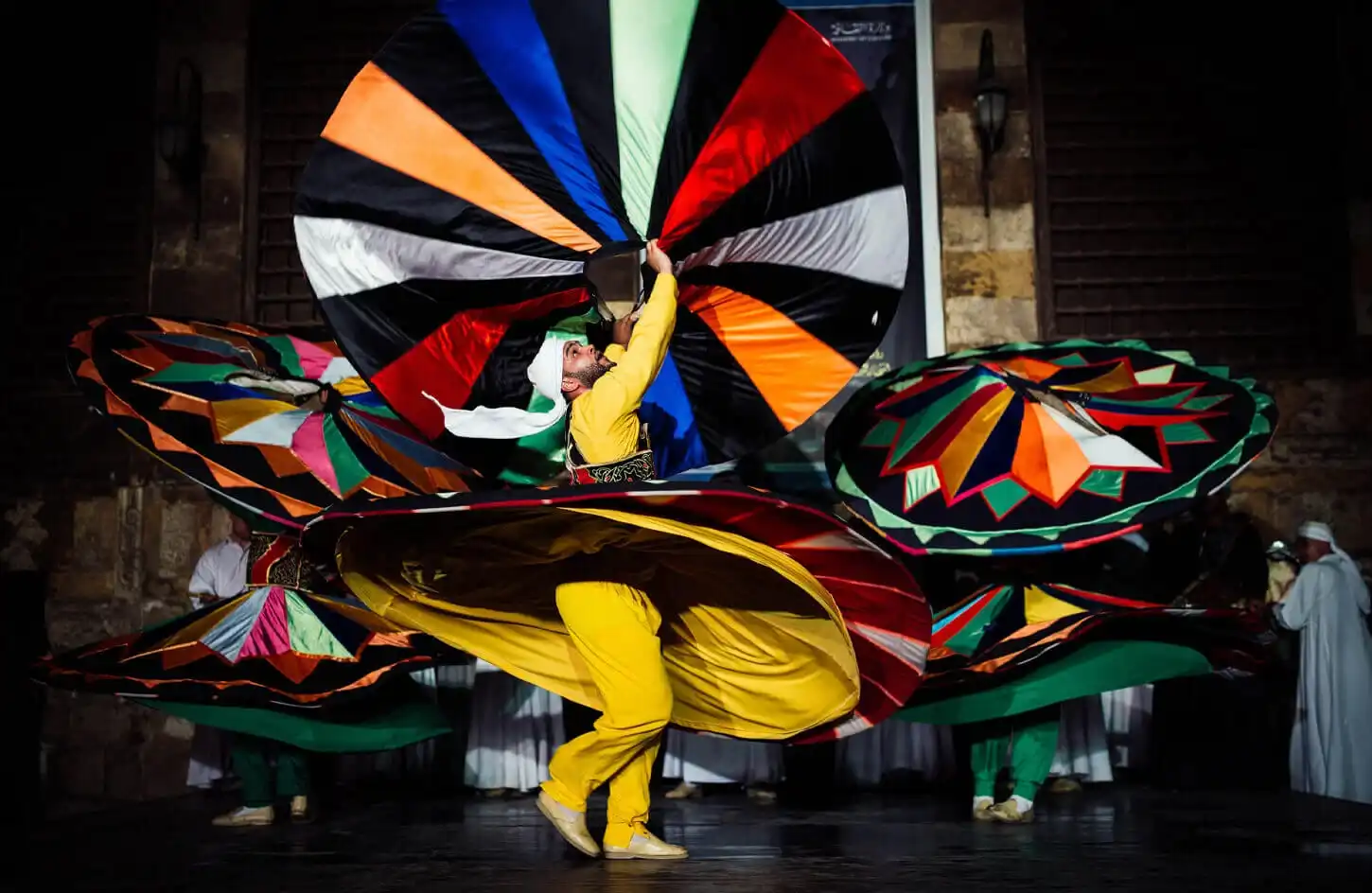
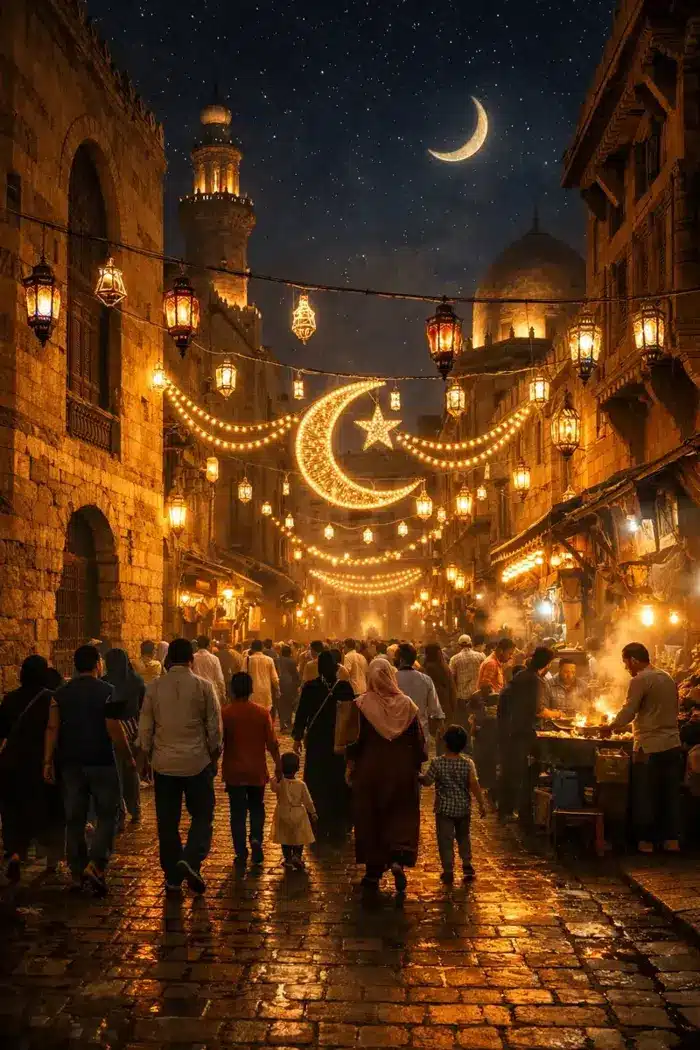
Ramadan in Cairo is famous for a reason: the city becomes more social after sunset, and the historic districts feel like a living festival—without being a staged show for tourists. The goal is to experience it respectfully: walk, observe, taste, and keep your plans simple.
Islamic Cairo night walk Ramadan: Khan el Khalili / Al-Muizz / Al-Hussein area
Best time window: roughly 1–2 hours after iftar through late evening (and sometimes past midnight). Expect crowds, families, and a lot of local joy.
A practical walking route (easy for first-timers)
-
Start near Al-Hussein area (a common landmark zone in Islamic Cairo).
-
Walk toward Khan el Khalili for the market lanes, lanterns, and cafés.
-
Continue to Al-Muizz Street for the “open-air museum” feeling—historic façades, glowing lights, and a strong Ramadan atmosphere.
What you’ll see and feel
-
Lanterns (fanous) and crescent-themed street décor
-
Dessert shops doing brisk business
-
Families strolling late with children (a big clue: this is social, not rowdy)
-
A city “awake” later than usual—more smiles, more street life
Crowd-smart tips (comfort + safety)
-
Pick a clear meeting point in case your group gets separated (a well-lit café entrance works).
-
Keep valuables zipped and close—crowds are perfect for pickpockets in any big city.
-
If someone offers unsolicited “help” or tries to lead you to a shop, a polite, firm “no, thank you” and steady walking usually ends it.
Ramadan decorations Egypt: fanous, crescent lights, street décor
The fanous Ramadan Egypt tradition (Ramadan lanterns) is one of the most visible symbols. You’ll see lanterns hanging in shopfronts, glowing in alleyways, and sold as souvenirs. Decorations also include crescent lights, strings of bulbs, and themed banners—especially around busy commercial streets.
Buying lanterns as souvenirs
-
Expect bargaining in many market areas.
-
If you’re not sure of the “fair” price, ask your hotel for a rough range and decide what convenience is worth to you.
Street snacks and juices after iftar (what to try)
After sunset, it’s prime time for Ramadan drinks in Egypt—sweet, cooling, and often sold at busy counters.
-
Sobia: creamy, lightly coconut/vanilla-ish (varies), served cold
-
Qamar el din: apricot-based drink (often a thick juice)
-
Tamar hindi: tangy tamarind drink (sweet-sour)
-
Karkadeh: hibiscus tea (served cold or hot)
-
Sugarcane juice: fresh and very sweet
How to order (simple)
-
Pointing is normal in busy juice spots.
-
Ask for “no ice” if you’re cautious about water/ice sources.
Safety tips for crowded Cairo nights (simple, realistic)
-
Use ride-hailing rather than negotiating late-night taxi prices if you prefer predictable fares.
-
Avoid flashing cash; keep small notes accessible.
-
If you feel overwhelmed, step into a well-lit café, regroup, then continue.
What are Ramadan tents in Cairo (iftar & suhoor tents)?
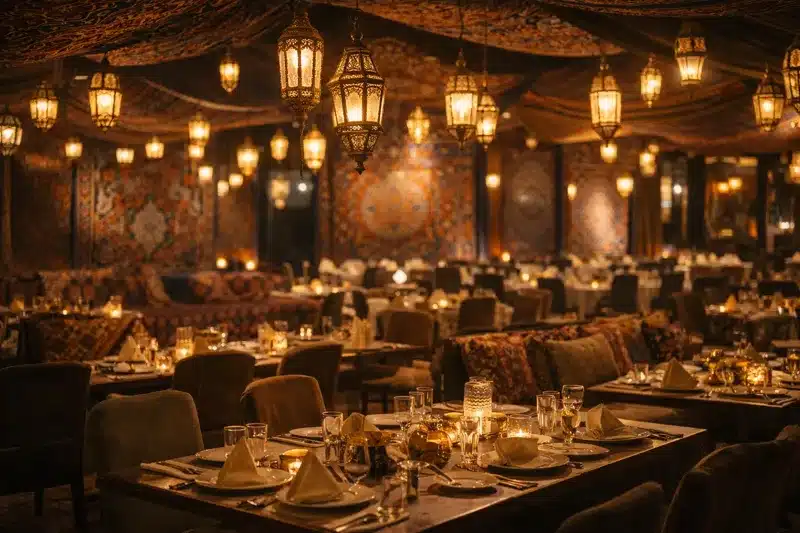
Ramadan vibes in Egypt are easy to experience in Cairo’s famous Ramadan tents. A Ramadan tent is a seasonal dining-and-atmosphere setup—sometimes inside a hotel, sometimes in a dedicated venue—built around Ramadan evenings. Think: set menus, décor, lantern light, and a social vibe. Some feature music, some are more family-focused, and others feel high-end and dressy.
Iftar tents Cairo vs suhoor tents Cairo
- Iftar: starts at sunset and often follows a structured meal format—ideal if you want the classic “break-fast” moment and a lively early evening atmosphere.
- Suhoor: happens later at night (sometimes very late) and tends to feel more relaxed, often with snacks, tea, and long conversations.
At the time of writing, pricing, schedules, and rules change each year, so it’s best to choose the type of tent that matches your comfort and then confirm details directly with your hotel or the venue.
How to choose a tent: a practical checklist
-
Price transparency: Is it a set price per person? Does it include drinks/dessert? Taxes/service?
-
Family-friendly vs “party” vibe: Is it mostly families, couples, mixed groups?
-
Dress code: Smart casual is a safe default; upscale hotel tents may expect more polish.
-
Timing: Are you aiming for sunset iftar or a later-night suhoor experience?
-
Reservation needed: Many popular places require booking, especially weekends.
-
Noise level: Music can be loud in some venues—ask in advance if you prefer calm.
Table 2: Ramadan tent styles (what to expect)
| Tent style | Typical vibe | Best for | Booking tips |
|---|---|---|---|
| Budget / local-style setups | Casual, lively, simple menus | Budget travelers, cultural immersion | Confirm what’s included; go earlier for easier seating |
| Mid-range venues | Comfortable, social, often good food variety | Most first-timers (US/UK) | Ask about set menu vs à la carte; reserve on weekends |
| Upscale hotel tents | Polished décor, higher service, dressier | Luxury travelers, celebrations | Book ahead; ask about minimum spend and start time |
| “Late-night suhoor lounges” | Relaxed, very late hours, tea/snacks | Night owls, groups | Confirm start time; plan transport back after midnight |
Are Ramadan tents worth it in Cairo?
For many visitors, yes—if you treat it as a cultural dining experience, not just dinner. If you dislike crowds, loud music, or set menus, you might prefer a quieter restaurant plus a night walk instead.
Top Ramadan traditions tourists will notice
Fanous (Ramadan lantern)
The Ramadan lantern Egypt tradition is everywhere: homes, shops, streets, cafés. It’s a warm, visual symbol of the season and one of the easiest ways to “feel” the holiday without needing insider knowledge.
Iftar cannon Egypt (cultural symbol)
You may hear references to an iftar cannon tradition—historically used in some places to signal sunset. Whether and where you can hear/see a modern version can vary by city and year. Treat it as a cultural story that locals recognize, not a guaranteed daily “show.”
Musaharati Egypt / musaharati Cairo
In some neighborhoods, a musaharati (a traditional pre-dawn wake-up caller) may be mentioned as part of Ramadan heritage. How visible this is today depends on area and local customs. If you hear late-night drumming or calls, it can be part of the seasonal soundscape—another reason light sleepers may want quieter accommodation.
Taraweeh prayers Cairo (including Al-Azhar Taraweeh, respectfully)
Taraweeh prayers are a major part of Ramadan evenings for many Egyptians. You may notice increased foot traffic near mosques after iftar. If you want to observe the ambience:
-
Keep a respectful distance.
-
Avoid photographing worshippers closely.
-
Dress modestly (covered shoulders and knees as a baseline).
-
If entering a mosque area is allowed, follow posted rules and local guidance.
Best Egyptian food and drinks to try in Ramadan
Ramadan is peak season for comfort food, family-style plates, and sweets.
Egyptian iftar food (common staples)
You’ll often see:
-
Soups and starters (varies)
-
Rice, grilled meats, and hearty mains
-
Lots of bread, dips, and shared plates
-
Desserts served proudly and generously
Dessert spotlight: kunafa Egypt Ramadan, qatayef Egypt Ramadan
-
Kunafa: a sweet pastry (often layered/shredded) with syrup; sometimes filled (cream, nuts).
-
Qatayef: folded pancakes/dumplings, typically stuffed (nuts/cream), then sweetened.
Best desserts in Egypt during Ramadan can be found in busy dessert shops after iftar—look for places with high turnover.
Drinks spotlight (what to try)
-
Sob ia, qamar el din, tamar hindi, karkadeh, sugarcane are common favorites (taste profiles vary by vendor and family style).
Food safety for tourists (simple, non-paranoid)
For a first-time visitor, a cautious-but-relaxed approach works well:
-
Prefer busy places (high turnover).
-
Choose bottled water if you have a sensitive stomach.
-
Be cautious with ice if you’re unsure of water sources.
-
Favor peelable fruit.
-
Carry basic stomach meds just in case (ask a pharmacist if needed).
For a health-prep mindset and routine travel guidance, check the CDC Egypt traveler page:
https://wwwnc.cdc.gov/travel/destinations/traveler/none/egypt
Alcohol during Ramadan in Egypt: what to expect
Can you drink alcohol during Ramadan in Egypt?
In practice, alcohol availability can be more limited during Ramadan and attitudes can be more conservative in public spaces. Many tourists who drink alcohol choose licensed venues (often hotel bars/restaurants) and keep things discreet.
What to do for a smooth experience:
-
Check your hotel policy and opening hours (some venues adjust schedules).
-
Avoid drinking in public streets or behaving loudly after drinking.
-
Plan your transport back (ride-hailing is often the simplest option).
This is a “play it low-key” period—more about atmosphere than nightlife drinking.
Is it safe to go out at night during Ramadan in Egypt?
Many tourists do go out at night during Ramadan—especially in Cairo’s busy areas—because that’s when the city feels most alive. The key is to use common-sense city precautions and follow official guidance for the regions you plan to visit.
Use official advisories to shape decisions (not to panic):
-
UK FCDO Egypt safety & security: https://www.gov.uk/foreign-travel-advice/egypt/safety-and-security
-
US State Department Egypt advisory: https://travel.state.gov/en/international-travel/travel-advisories/egypt.html
Practical night-safety habits (especially in crowded areas)
-
Keep phones and wallets secure; crowds can mean pickpockets.
-
Use ride-hailing for clearer pricing.
-
If negotiating a taxi, agree the price before you get in.
-
Choose well-lit streets and busy routes.
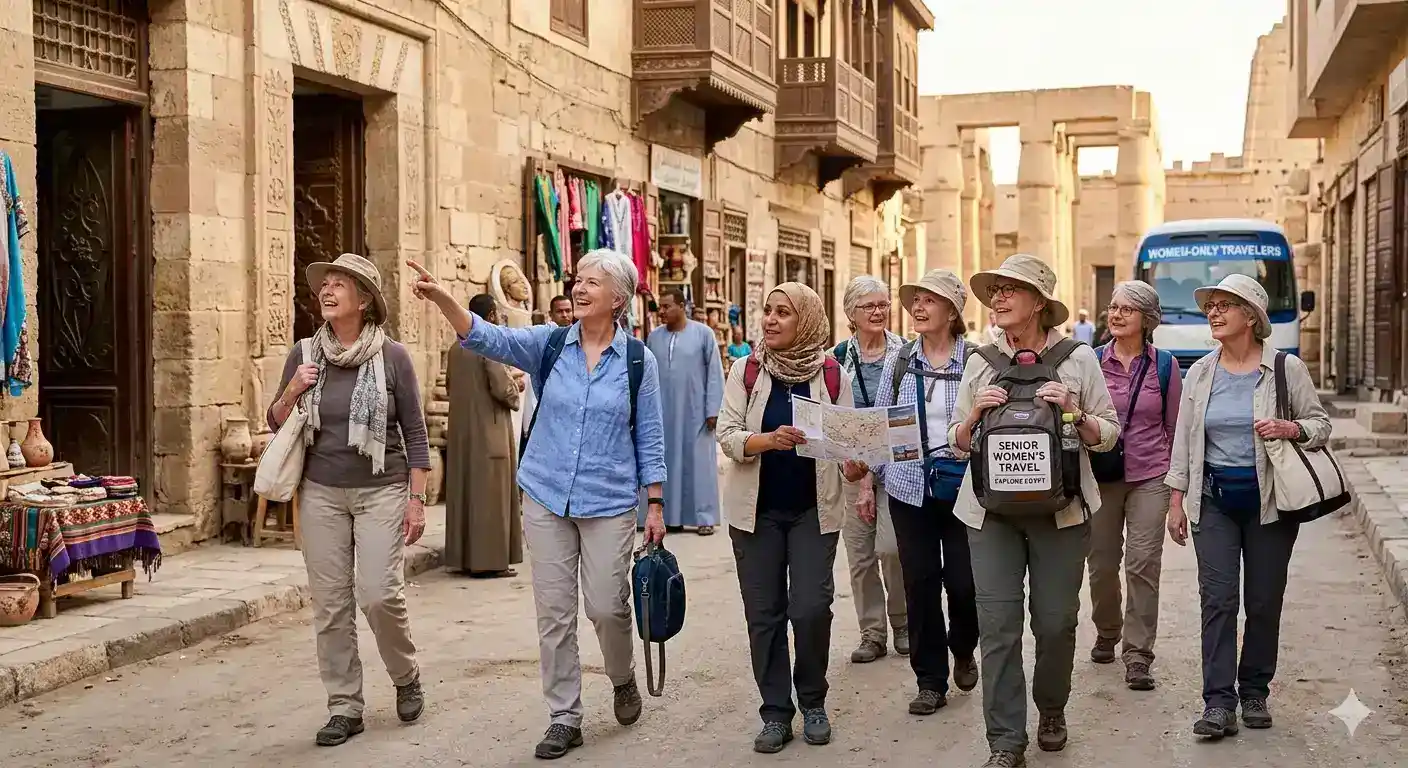
Solo female tips (realistic, helpful)
-
Prefer ride-hailing at night; share trip details with someone you trust.
-
Avoid very quiet streets late; stick to lively areas.
-
If someone is annoying, move toward families or staffed venues (cafés/hotel lobbies).
-
Dress modestly in conservative areas; it reduces attention (not a guarantee, but it helps).
Where to experience Ramadan vibes outside Cairo
Alexandria
Alexandria’s vibe often centers on evening strolls and café culture—especially along the corniche. Ramadan evenings can feel social and breezy, with a “local holiday” mood rather than Cairo’s intense historic-core crowds.
Best approach: daytime sightseeing + relaxed dinner + dessert-and-walk nights.
Luxor and Aswan
In Upper Egypt, many visitors notice a calmer pace at night compared to Cairo. You can still experience Ramadan through:
-
hotel iftar/suhoor offerings,
-
evening walks in safe, well-used areas,
-
respectful observation of prayer-time movement.
Planning tip: start temple visits early; confirm closing times locally (they can vary).
Red Sea resorts (Hurghada / Sharm area)
Resorts are often the easiest option if you want:
-
predictable dining (even in daytime),
-
a contained environment,
-
a softer introduction to Ramadan customs.
You may still see Ramadan décor and special meals, but the experience is more “hotel-led” than street-led.
Sample itineraries
2-day Cairo Ramadan vibe plan (first-timer friendly)
Day 1 (classic sights + night atmosphere)
-
Morning: Giza Plateau (go early)
-
Midday: rest + late lunch in hotel or a discreet indoor spot
-
Late afternoon: avoid long drives right before iftar
-
Evening: Ramadan night walk in Islamic Cairo (Al-Hussein area → Khan el Khalili → Al-Muizz)
-
Dessert stop: kunafa / qatayef + a Ramadan drink (sobia or qamar el din)
Day 2 (museum + tent experience)
-
Morning: major museum visit (confirm hours)
-
Afternoon: downtime + prep for a late night
-
Evening: book a Ramadan tent for iftar (or a late suhoor lounge)
-
Late night: short, safe walk near your hotel neighborhood; early taxi/ride-hailing back
4–5 day Cairo + Luxor/Aswan plan (culture + atmosphere)
Idea: keep Cairo for “vibes nights,” then go south for temples with early starts.
Itinerary table (sample pacing)
| Day | Base | Morning | Afternoon | Night |
|---|---|---|---|---|
| 1 | Cairo | Arrive + settle | Rest | Easy neighborhood dinner |
| 2 | Cairo | Pyramids (early) | Recharge | Islamic Cairo Ramadan night walk |
| 3 | Cairo | Museum (confirm hours) | Travel prep | Ramadan tent (iftar or suhoor) |
| 4 | Luxor | Temple visits (early) | Hotel rest | Calm local dinner / hotel iftar |
| 5 | Aswan (optional) | Scenic/temples (early) | Relax | Early night or gentle promenade |
(Adjust based on flight/train times and official opening hours. At the time of writing, schedules can change during Ramadan—confirm locally.)
Practical tips checklist (comfort + respect)
Money, cash, tipping
-
Carry small notes for tips and small purchases.
-
Tipping is common in many tourism-related situations; ask your hotel for current norms.
SIM/eSIM & internet
-
An eSIM can be convenient for US/UK travelers; confirm your phone compatibility before departure.
-
Keep a screenshot of your hotel address in Arabic (helpful for drivers).
Dress code & etiquette
-
In historic/religious areas: cover shoulders and knees; carry a light scarf.
-
In upscale hotels: smart casual is fine; in tent venues, slightly dressier can help.
Transport after midnight
-
Ride-hailing is often easiest for predictable fares.
-
Build in extra time: late-night traffic can be busy in popular areas.
Photography etiquette
-
Ask before photographing people, especially families and workers.
-
Avoid close-up photos of worshippers during prayer.
Visas and entry basics (verify before travel)
For many travelers, Egypt’s official e-Visa portal is the best starting point. At the time of writing, it’s sensible to apply at least a week before departure, but always verify current processing guidance.
https://www.visa2egypt.gov.eg/eVisa/Home?lang=en
Frequently Asked Questions
Is it a good time to visit Egypt during Ramadan?
It can be a great time if you’re flexible. Days are calmer, and nights can be unforgettable—especially in Cairo.
If your trip style depends on daytime café-hopping, early nights, and fixed schedules, you may prefer non-Ramadan weeks.
Egypt during Ramadan what to expect as a first-time visitor?
Expect a shifted rhythm: early sightseeing, quieter afternoons, and social evenings. Some dining spots close during the day, while hotels often keep serving guests.
Are tourist attractions open during Ramadan in Egypt?
Many major attractions remain open, but hours can change. At the time of writing, the safest plan is to check official channels (or confirm through your hotel) the same day you plan to visit.
Restaurants opening hours during Ramadan Egypt: what’s typical?
Local restaurants may close during fasting hours and reopen after sunset. Hotel restaurants are usually the most reliable daytime option for tourists.
Can tourists eat in public during Ramadan in Egypt?
Tourists are not expected to fast, but it’s respectful to avoid eating/drinking in public during daylight in busy local areas. Choose indoor or hotel spaces when possible.
What should tourists wear during Ramadan in Egypt?
Aim for modest, breathable clothing—especially in Islamic Cairo and around mosques. Covered shoulders and knees are a safe baseline. Lightweight layers help for warm days and cooler evenings.
What is suhoor and what time is it?
Suhoor is the pre-dawn meal before fasting begins again. Timing changes daily with sunrise. At the time of writing, confirm locally (your hotel can tell you the approximate window).
What time do people break the fast in Egypt?
At sunset (iftar). Exact timing changes daily. Restaurants and tents often time service around sunset.
Ramadan in Egypt for tourists: will hotels still serve food in the day?
Many hotels continue serving guests during the day, especially those catering to international travelers. Policies vary, so check with your accommodation.
Ramadan nights in Cairo: where are the best areas?
For first-timers, Islamic Cairo is the headline area: Khan el Khalili, Al-Muizz Street, and the Al-Hussein surroundings. Go after iftar for the full atmosphere.
Khan el Khalili Ramadan: is it too crowded?
It can be crowded, especially on weekends. Go with secure belongings, choose a meeting point, and take breaks in cafés. If crowds feel overwhelming, visit earlier in the evening.
Al-Muizz Street Ramadan: is it safe for a night walk?
Many visitors walk Al-Muizz at night during Ramadan because it’s lively and well-used. Still, use city precautions: keep valuables close and avoid isolated side streets late.
Islamic Cairo night walk Ramadan: what’s the simplest plan?
Eat first, then walk a short loop: Al-Hussein area → Khan el Khalili lanes → Al-Muizz Street → café stop → ride-hailing back.
Are Ramadan tents worth it in Cairo?
Often yes—if you want a one-stop, festive dining experience. Choose based on vibe (family vs late-night lounge), ask what’s included, and reserve on busy nights.
Best iftar in Cairo: do you need to book?
For popular venues and hotel tents, booking is often needed. For casual local iftar, you may find walk-in options, but expect crowds right at sunset.
Best suhoor in Cairo: what should you expect?
Suhoor is late and social in some venues—tea, snacks, desserts, and lingering conversation. Plan transport back and don’t schedule an early start the next morning.
Taraweeh prayers Cairo: can tourists watch?
You can observe the atmosphere from a respectful distance in public areas. Avoid close-up photos and dress modestly. If you want to enter a mosque, follow posted rules and local guidance.
Al-Azhar Taraweeh: can non-Muslims attend?
Rules and access can vary. At the time of writing, it’s best to treat it as a place to respectfully observe the surrounding ambience rather than assuming entry. Ask your hotel or a trusted local guide about etiquette and access that week.
Musaharati Cairo: will tourists hear it?
Some areas may have late-night Ramadan sounds or wake-up traditions, but it varies by neighborhood and year. If you’re a light sleeper, choose quieter accommodation.
Ramadan drinks in Egypt: what should you try first?
Start with sobia (cool, creamy) and tamar hindi (sweet-tangy). If you like apricot flavors, try qamar el din.
What to eat at iftar in Egypt if you’re new to Egyptian food?
Try a simple mix: soup or salad, a grilled main, rice, and finish with kunafa or qatayef. Don’t over-order—portions can be generous.
Best desserts in Egypt during Ramadan: is kunafa always available?
Kunafa is extremely common in Ramadan season, often alongside qatayef. Availability is usually highest after sunset.
Is tap water safe in Egypt?
Many travelers stick to bottled water, especially if they have sensitive stomachs. For a health-prep mindset, review CDC guidance before travel.
What health prep is recommended (CDC mindset)?
Check routine vaccinations, pack basic meds, and use food-and-water caution if you’re prone to stomach issues. Start with the CDC Egypt traveler page.
https://wwwnc.cdc.gov/travel/destinations/traveler/none/egypt
Is Uber/ride-hailing reliable late at night in Cairo?
Ride-hailing is widely used in Cairo and can be convenient late at night, but availability and wait times can vary by neighborhood and peak moments (like right after iftar). Have a backup plan via your hotel.
Can you drink alcohol during Ramadan in Egypt?
Availability can be more limited, and many visitors choose licensed hotel venues and keep things discreet. Always follow venue rules and local norms.
Visiting Egypt during Ramadan: any final “don’t do this” advice?
Avoid public arguments, avoid political gatherings, don’t photograph people closely without permission, and don’t eat/drink openly in crowded local areas during the day if it’s easy to avoid.
Suggested External Links
-
UK FCDO Egypt travel advice (safety + local customs context)
URL: UK FCDO Egypt safety and security advice -
US State Department Egypt travel advisory (US traveler safety framing)
URL: US State Department travel advisory for Egypt -
Official Egypt e-Visa portal (entry + timing verification)
URL: Official Egypt e-Visa application portal -
CDC Egypt Traveler View (health prep + food/water guidance)
URL: CDC Egypt traveler health guidance -
Cultural Development Fund (official cultural institution; cultural nights context)
URL: Egypt Cultural Development Fund official site -
State Information Service cultural institutions page (background context)
URL: Egypt cultural institutions overview (SIS) -
UK FCDO main Egypt advice hub (entry requirements + updates)
URL: UK FCDO Egypt travel advice overview