Is it dangerous to travel to Egypt now? For tourists visiting Cairo, Luxor, Aswan, Hurghada, and the Nile cruise corridor, the answer is no. Egypt continues to welcome millions of international visitors in 2026 across all major tourist destinations. Two specific restricted zones exist — both far outside any standard itinerary. The risks tourists actually encounter involve petty scams and traffic, not violent crime.
⚠️ Safety Notice
The US State Department currently rates Egypt at Level 2: Exercise Increased Caution. Two zones carry specific Do Not Travel designations: the Northern and Middle Sinai Peninsula and Western Desert areas bordering Libya. Neither zone includes Cairo, Luxor, Aswan, Hurghada, Alexandria, or the Nile cruise route.
At the time of writing, all major tourist destinations are operating normally. Always verify your government’s official travel advisory before booking — details can change: US State Department | UK FCDO | Australian DFAT
Is It Dangerous to Travel to Egypt Now — The Short Answer
Egypt’s main tourist corridor is safe for international visitors. Security personnel are stationed at every major archaeological site, airport, and hotel entrance across the country. Bag scanners at hotel lobbies are standard practice at all mid-range and above properties.
Is it dangerous to travel to Egypt gets complicated because government advisories use cautious language countrywide while their actual restrictions target only two specific border zones. Level 2 — Exercise Increased Caution — is the same rating the US State Department applies to France, Germany, and dozens of other mainstream travel destinations. It does not indicate a dangerous country for tourism.
Travelling with a reputable tour operator removes most practical risk. Private transport, licensed Egyptologist guides, and pre-arranged entrance fees mean no independent navigation through unfamiliar areas, no unlicensed taxis, and no exposure to the scam networks around temple gates. The full current picture — including a breakdown of what travel advisories actually mean for the tourist circuit — is covered in the Is Egypt Safe for Tourists in 2026? guide on pureniletours.com.
Where Is Egypt Safe — and Where to Avoid
The geography of safety in Egypt is clear. Tourist destinations and restricted zones do not overlap.
Safe — standard tourist circuit:
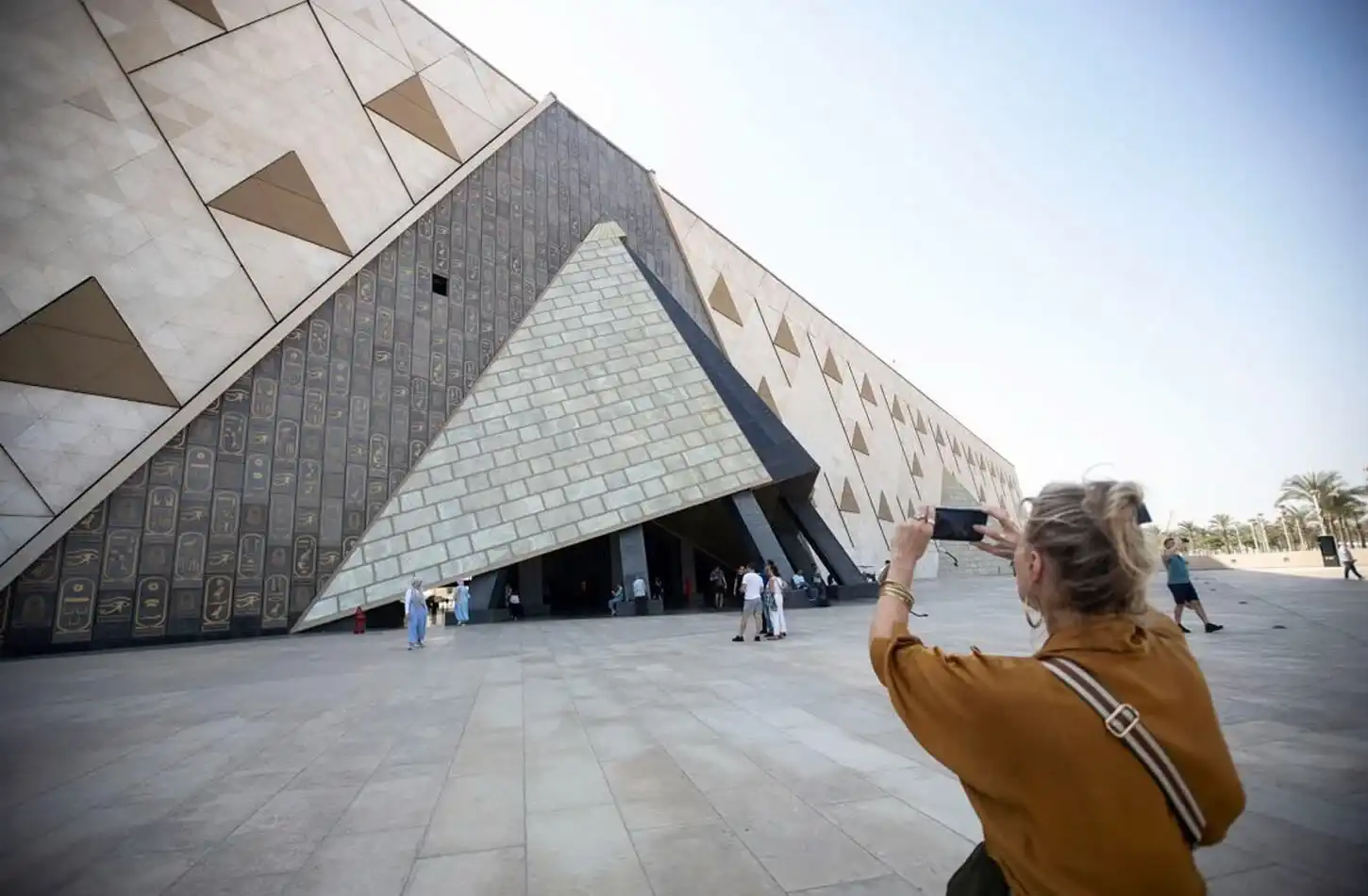
- Cairo and Giza: Pyramids of Giza, Grand Egyptian Museum, Old Cairo, Khan El Khalili
- Luxor: Valley of the Kings, Karnak Temple, Hatshepsut Temple, Luxor Temple
- Aswan: Philae Temple, Abu Simbel, Unfinished Obelisk, Nubian villages
- Nile cruise corridor: Luxor to Aswan via Edfu and Kom Ombo
- Hurghada and Sharm El-Sheikh: Red Sea resort zones, airports operating normally
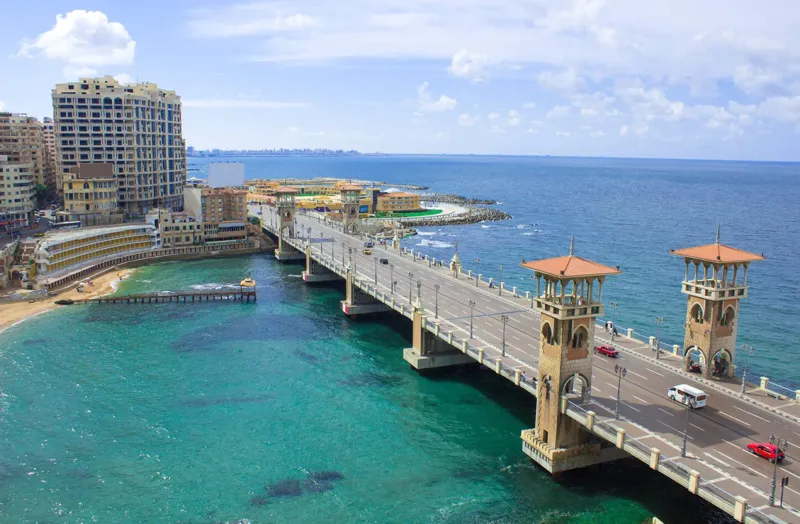
- Alexandria: Mediterranean coast, no elevated restrictions
Do Not Travel — hard government restrictions:
- Northern and Middle Sinai Peninsula: active security operations, not part of any tourist itinerary
- Western Desert border zones near Libya: firm restriction from US, UK, and Australian governments
Sharm El-Sheikh is in South Sinai and carries no restriction — the Do Not Travel designation applies to the north only. Every Pure Nile Tours itinerary operates exclusively within the safe tourist corridor.
Is It Dangerous to Travel to Egypt for Solo Female Travelers
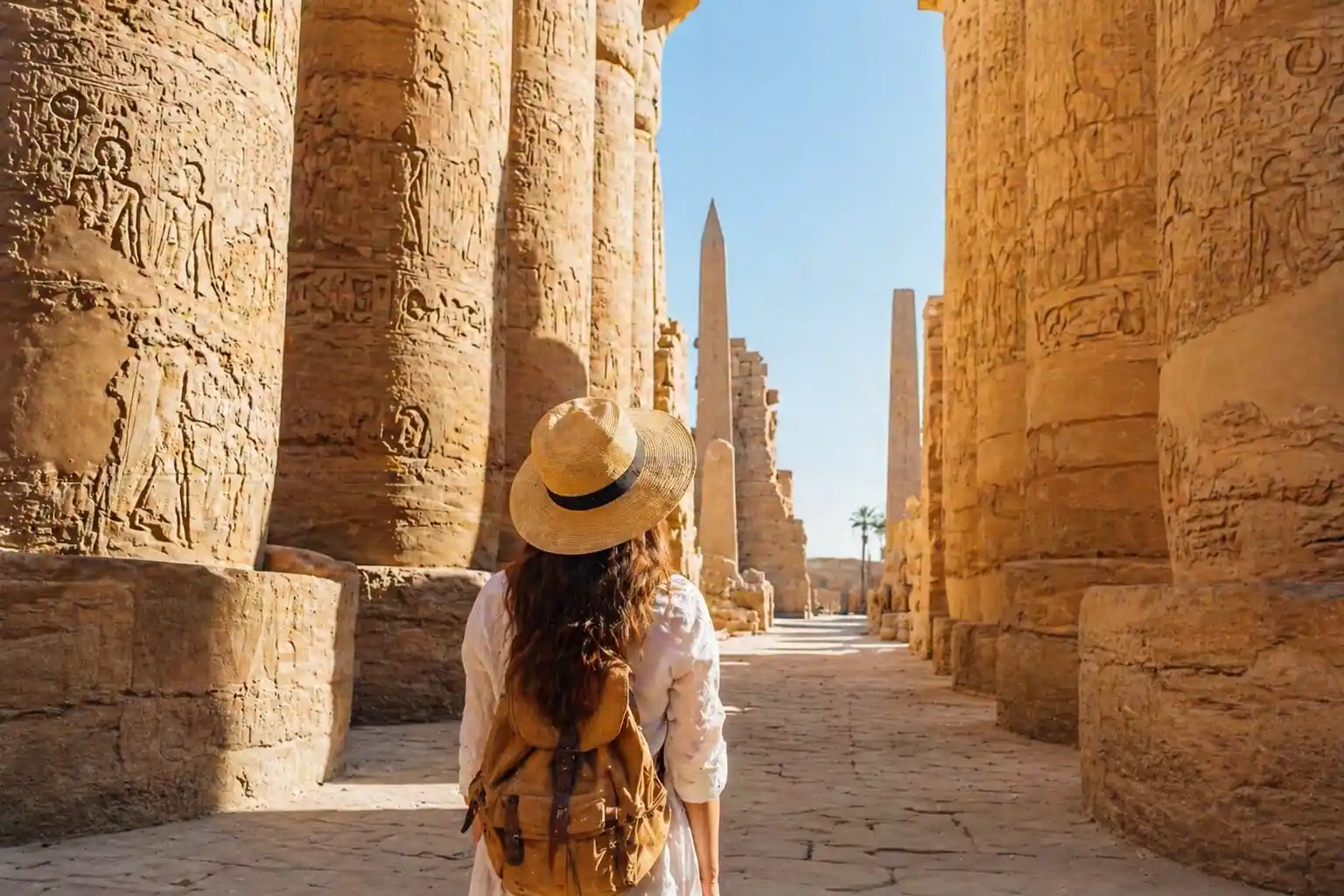
Is it dangerous to travel to Egypt as a woman alone? Physical safety risk is low across all major tourist destinations. Street harassment in crowded markets and busy streets is more frequent than in many Western European cities — unwanted comments and attention are the primary concern, not physical violence.
The risk reduces significantly with specific precautions: use private transport arranged by your tour operator rather than hailing street taxis; sit in the back seat of any taxi; dress conservatively outside resort areas — covered shoulders and loose trousers; and book guided excursions rather than exploring temple sites independently.
Inside organised tour groups, at hotels, and at archaeological sites with security present, the experience is consistently positive for solo female travellers. The Egypt Travel Guide for Solo Adventurers covers gender-specific safety in detail, including which transport options and market areas require extra awareness.
The Real Risks: Scams, Petty Crime and Traffic
The risks tourists actually face in Egypt are practical, not violent. Knowing them in advance removes almost all of them.
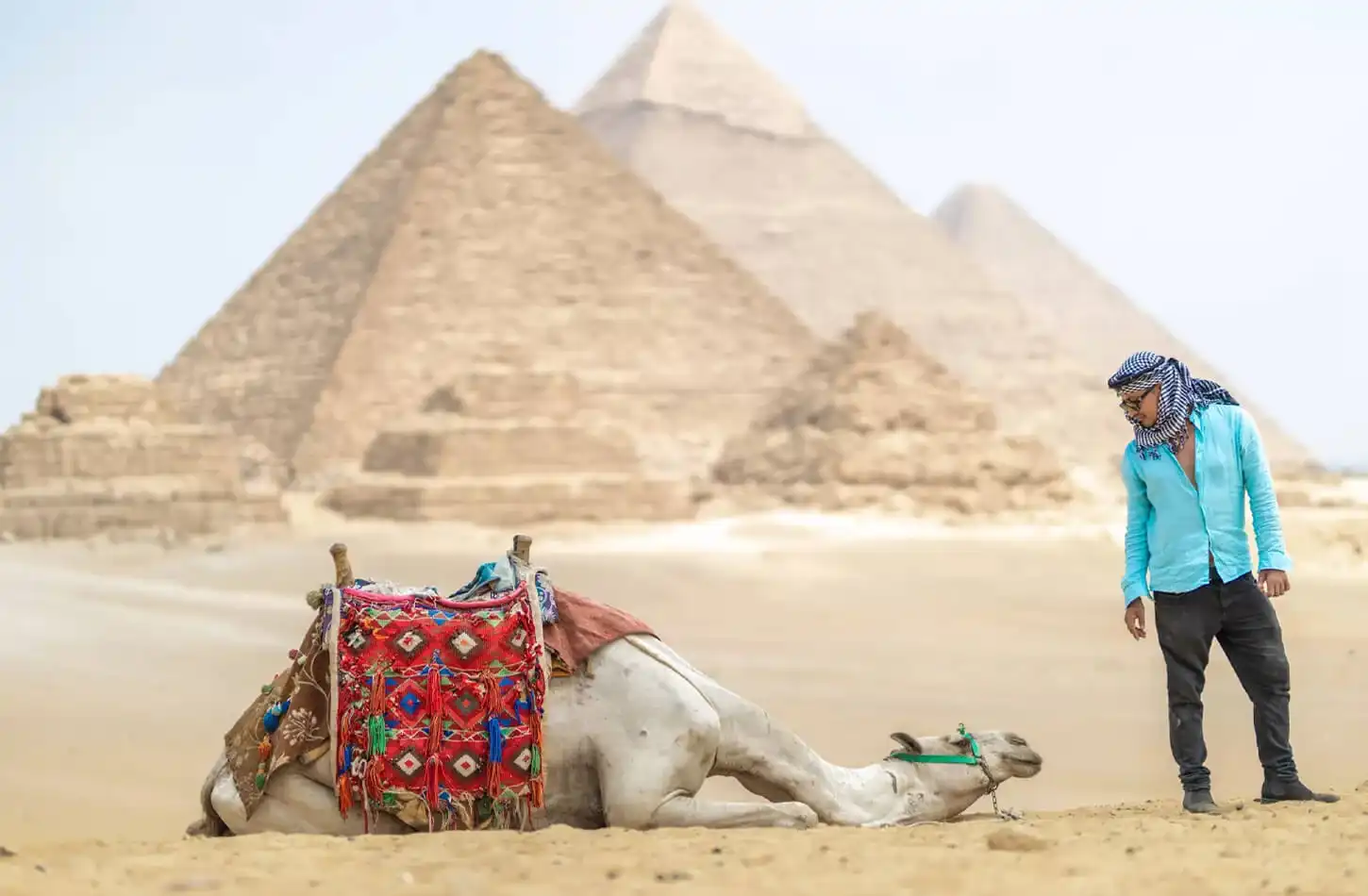
Scams at tourist sites: Unofficial sellers approach at Pyramid and temple entrances claiming to be official guides or offering free help. None are official. Every Pure Nile Tours guide carries a licensed Egyptologist credential. Decline all unsolicited offers and keep walking — persistent sellers move on quickly when they receive no engagement.
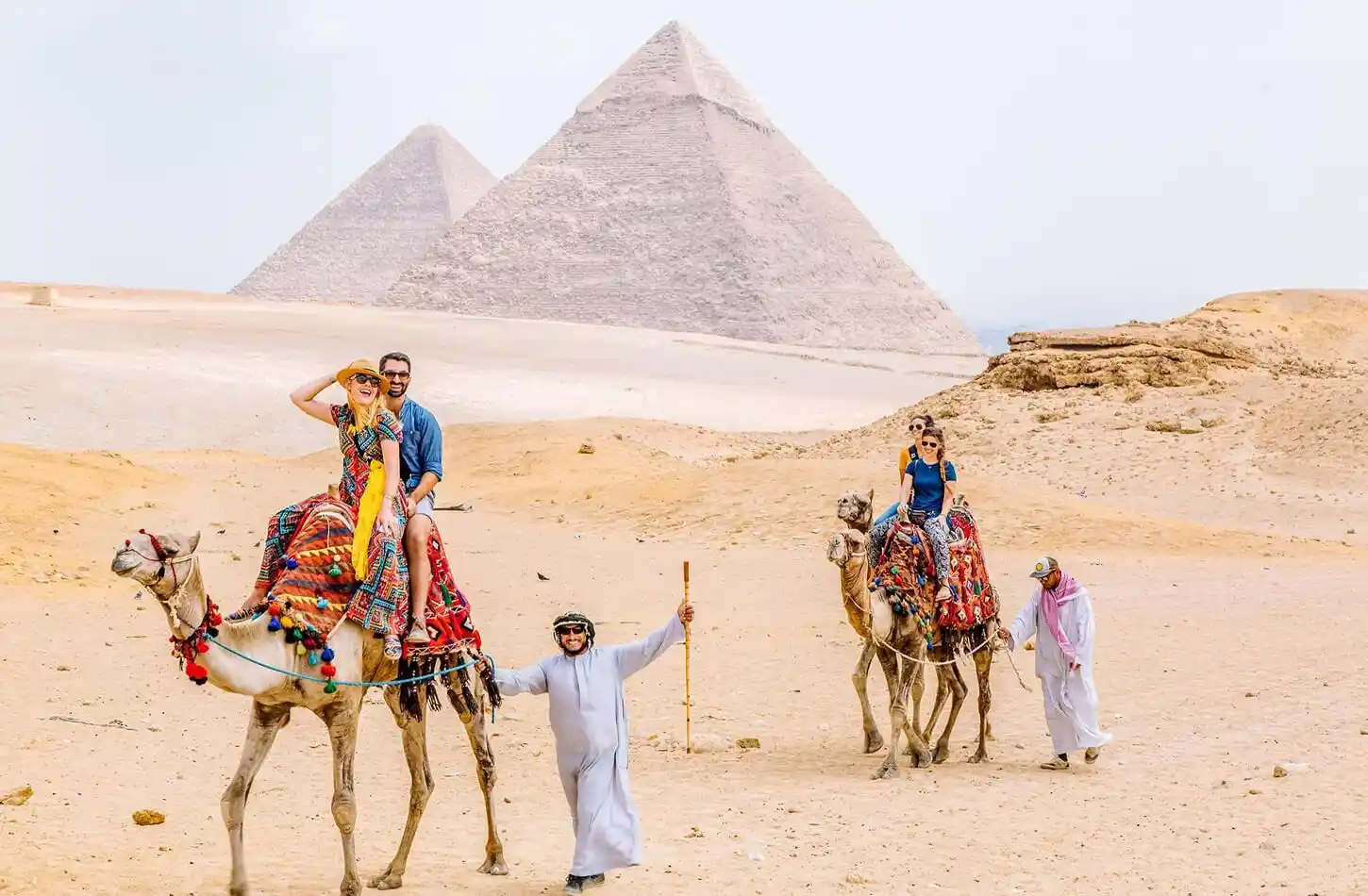
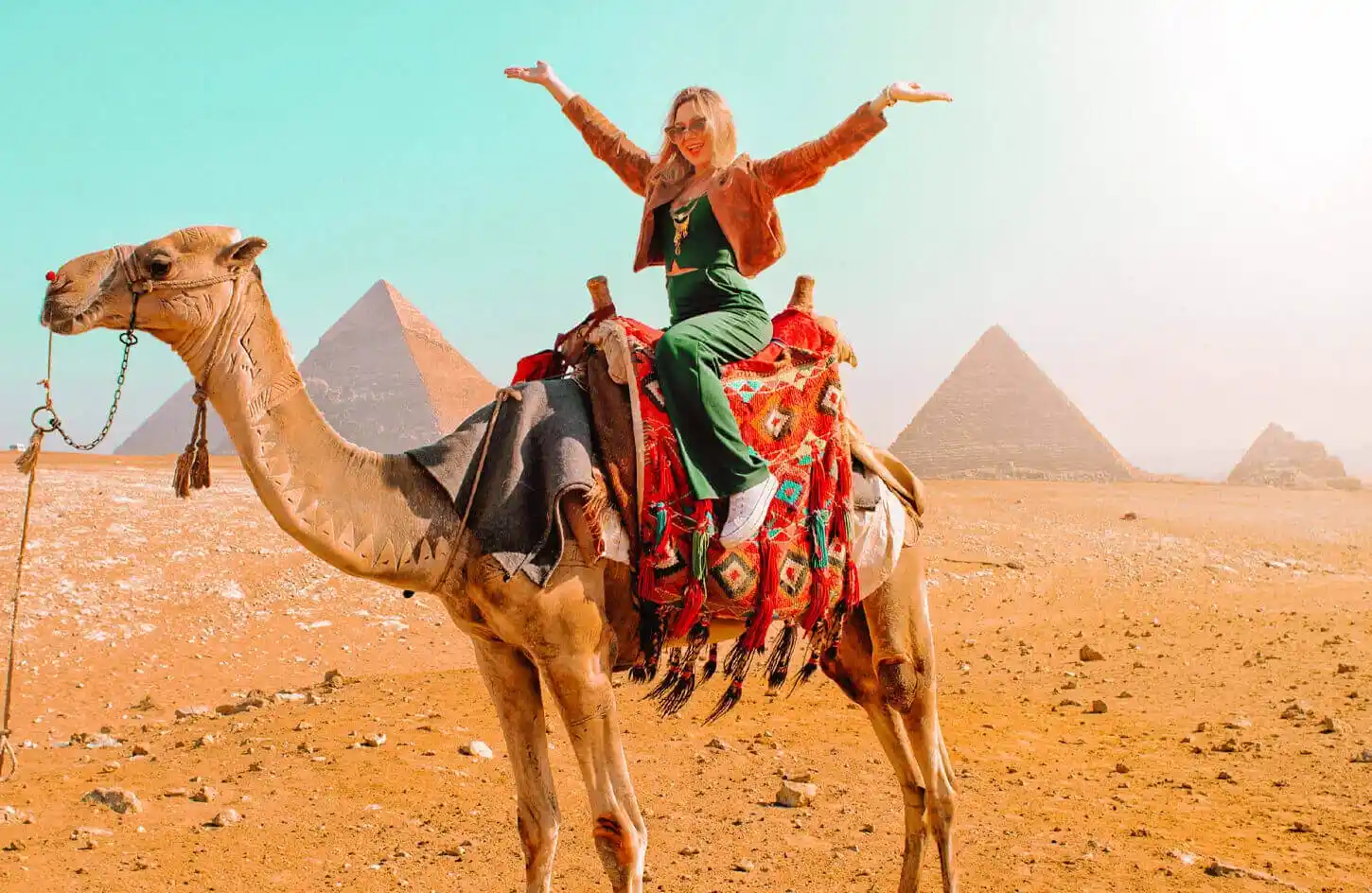
Common scam patterns: overcharging for camel or horse rides near Giza (agree the full round-trip price before mounting); fake government-certified papyrus shops; taxi drivers claiming your hotel has closed to redirect you to a commission property. Keep passport copies on your phone and main cash in a money belt in crowded markets.
Traffic: Egypt’s road accident rate is among the highest in the world. Cairo traffic in particular — where most signals are non-functional and lane discipline is absent — is hazardous for anyone unfamiliar with it. Private hired transport through your tour operator is the right choice throughout any Egypt trip. Uber operates in Cairo and is a reliable metered alternative to street taxis.
Food and water: Tap water is not safe to drink anywhere in Egypt. Bottled water costs under 10 EGP (under $0.20) per 1.5 litre and is available everywhere. Food prepared in hotel kitchens and on Nile cruise ships is safe; street food at busy established stalls with freshly cooked hot food carries low risk.
Is It Dangerous to Travel to Egypt on a Nile Cruise
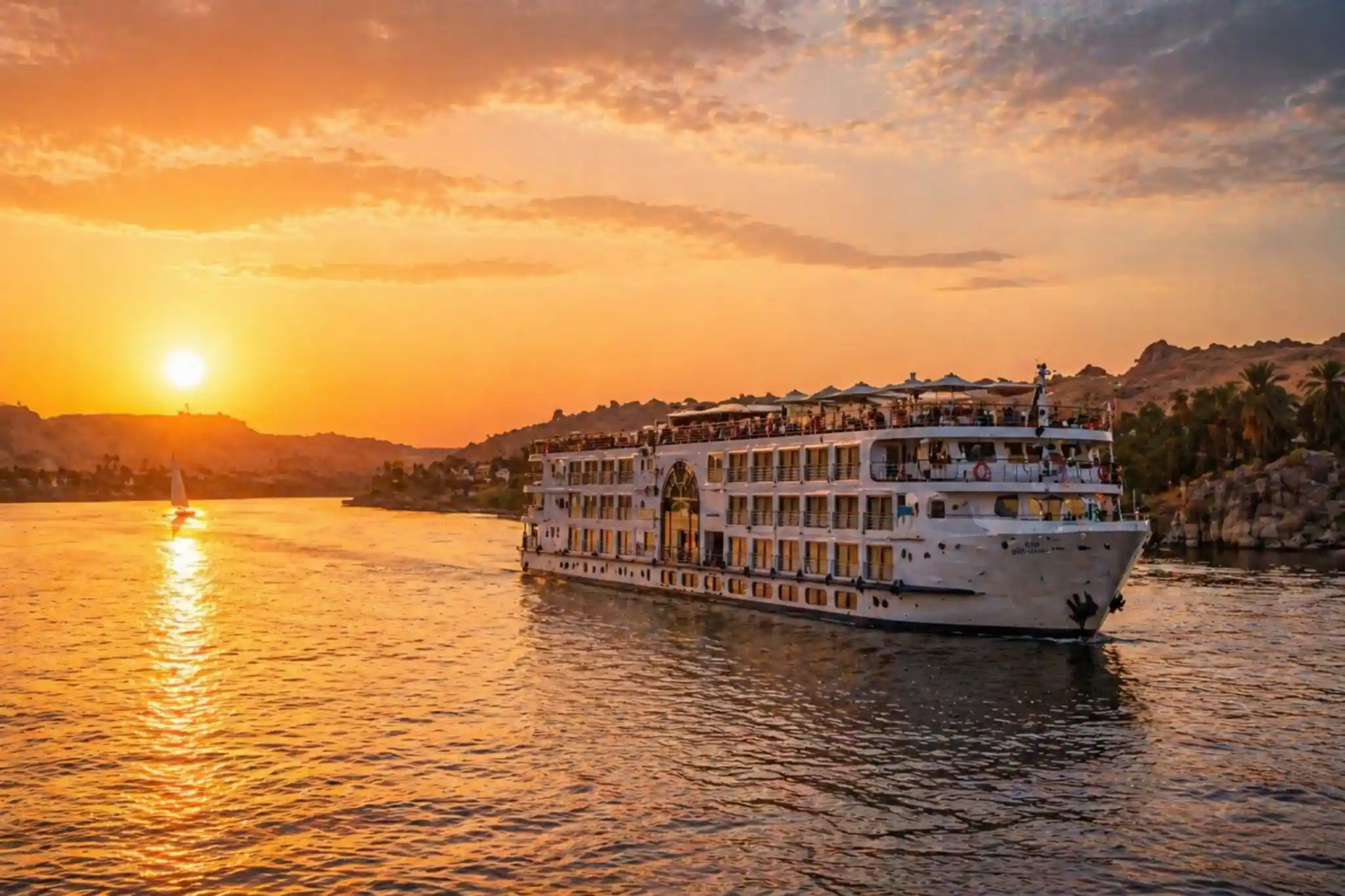
A Nile cruise is the lowest-risk format for experiencing Upper Egypt. The ship is a controlled, secure environment: all meals prepared on board, private guided excursions from dock to temple and back, and transport managed entirely by the operator. No independent navigation is required at any point on the itinerary.
The Luxor–Aswan corridor carries no specific travel advisory from any government. Security personnel are present at all major sites along the route. The Nebu Nile Cruise operates with Egyptologist guide groups of 1–8 guests maximum — small enough that the guide maintains direct contact with every passenger at every site throughout the excursion.
Is it dangerous to travel to Egypt on a cruise specifically? A guided Nile cruise removes every risk factor that independent travel creates: no unlicensed taxis, no scam exposure at temple gates, no unfamiliar streets, no language barrier at payments or checkpoints. It is the most structured and therefore safest format available for experiencing Egypt’s ancient sites.
Is Cairo Safe to Visit in 2026
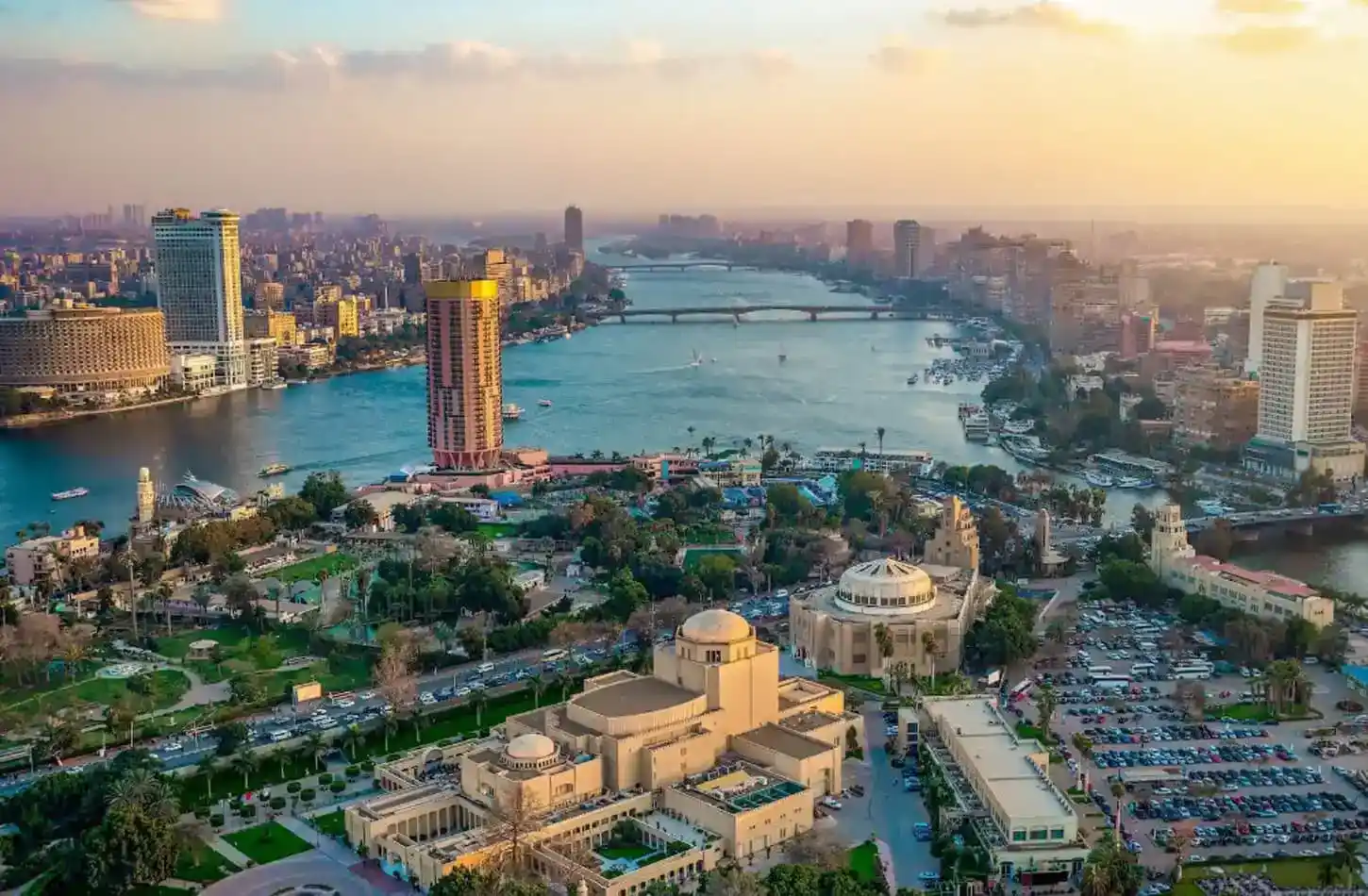
Cairo is safe for tourists on a guided itinerary. Police and security personnel are consistently present at the Pyramids of Giza, the Grand Egyptian Museum, Khan El Khalili, and Old Cairo. Hotels run bag X-ray scanners at entrances. The tourist areas of Cairo — Giza, Zamalek, Downtown, Coptic Cairo — operate under significantly heavier security than residential neighbourhoods.
The main practical risks in Cairo are scams near the Pyramids — the most concentrated scam environment in Egypt — and traffic. Both are neutralised by travelling with a guide and using private transport. At night, use Uber or your hotel’s car service rather than unlicensed street taxis, and avoid unfamiliar streets after midnight.
For full preparation on Cairo logistics — neighbourhoods, daily costs, transport, and temple entry — the Exploring Egypt: Essential Tips for First-Time Travelers guide covers everything needed before arrival.
Egypt Travel Advisory: What Governments Say in 2026
The table below reflects official government positions at time of writing. Verify current advisories directly before booking.
| Government | Advisory Level | Restricted Zones |
|---|---|---|
| US State Department | Level 2: Exercise Increased Caution | North/Middle Sinai; Western Desert border |
| UK FCDO | Advise against travel to specific zones | North Sinai; Libya border areas |
| Australian DFAT | High degree of caution | North Sinai; Egyptian-Libyan border |
| Canadian GCTT | High degree of caution | North Sinai; Egyptian-Libyan border |
At the time of writing — details can change. Always verify official sources before travel.
None of the four governments advise against travel to Cairo, Luxor, Aswan, Hurghada, Alexandria, or the Nile cruise corridor. Level 2 is not a warning against visiting Egypt — it is the standard advisory language applied to dozens of popular international destinations worldwide.
Safety Tips That Actually Reduce Risk
Before arrival:
- Register your trip with your country’s embassy — free and takes under 5 minutes
- Purchase travel insurance covering medical evacuation; emergency facilities outside major cities are limited; a minimum $100,000 evacuation coverage is the standard recommendation
- Save the Pure Nile Tours contact number and your hotel address offline before landing — airport Wi-Fi is inconsistent
At tourist sites:
- Walk past anyone approaching with “welcome, where are you from?” near a Pyramid or temple entrance — this opens every commission-based pitch without exception
- Keep $5–$10 equivalent in EGP in a separate pocket for tips and small purchases; avoid opening your main wallet in crowded areas
- Photograph your passport, visa, and travel insurance policy; store copies in cloud storage
On the street:
- Dress conservatively outside resort areas: covered shoulders and knees for women; long trousers for men at religious sites
- Avoid any gathering that appears to be a demonstration — even peaceful ones can change quickly, and bystanders can be caught up in the situation
- Use Uber or hotel transport throughout Cairo rather than unlicensed street taxis at any hour
For detailed guidance on dress codes, photography rules at temples, bargaining etiquette at markets, and behaviour at religious sites, the Egypt’s Cultural Etiquette: A Guide for Travelers post covers every situation likely to arise on a standard Egypt itinerary.
Frequently Asked Questions
Is it dangerous to travel to Egypt now in 2026?
For tourists on the standard circuit — Cairo, Luxor, Aswan, Hurghada, Alexandria — Egypt is not dangerous. Violent crime against tourists is rare across all major destinations. The US State Department rates Egypt at Level 2 (Exercise Increased Caution), the same level currently applied to France, Germany, and the UK. Two zones carry Do Not Travel designations: the Northern and Middle Sinai Peninsula and Western Desert border areas near Libya. Neither overlaps with any standard tourist itinerary.
Is Egypt safe for solo female travelers?
Egypt is physically safe for solo female travellers, but street harassment in crowded areas requires active management. The risk reduces significantly with private transport, conservative dress outside resort zones, and guided excursions. Solo cabins with no single supplement are available on selected Pure Nile Tours cruise packages — removing the cost barrier that often pushes solo travellers toward independent, unguided travel.
What areas of Egypt should tourists avoid?
The Northern and Middle Sinai Peninsula and Western Desert zones bordering Libya carry Do Not Travel advisories from multiple governments. Sharm El-Sheikh in South Sinai is not under restriction and operates normally. Cairo, Giza, Luxor, Aswan, Hurghada, and Alexandria are all accessible without restriction.
Is Cairo safe for tourists?
Cairo is safe for tourists on a guided itinerary. Heavy security presence at all major attractions deters serious crime. The practical risks are pyramid-gate scams and traffic — both eliminated by travelling with a Pure Nile Tours guide and using private transport throughout.
Do I need travel insurance for Egypt?
Yes. Travel insurance covering medical evacuation is strongly recommended. Emergency facilities outside major Egyptian cities are limited. A minimum $100,000 medical evacuation policy is the standard recommendation for Egypt and the wider Middle East region.
Is it safe to drink tap water in Egypt?
No. Tap water is not safe to drink anywhere in Egypt, including hotel rooms. Bottled water costs under $0.20 per 1.5 litre and is available at every hotel, shop, and tourist site throughout the country. Use bottled water for drinking and brushing teeth for the entire duration of the trip.
Do I need a visa for Egypt?
At the time of writing, most nationalities — including US, UK, EU, Australian, and Canadian citizens — can purchase an Egypt e-visa online before travel or obtain a visa on arrival at Cairo, Luxor, and Aswan airports. The standard tourist visa costs $25. Details can change — check the Egypt Visa Requirements for Travelers guide and your government’s official entry requirements before booking.