Last updated: January 2026
Yes, tourists can drink alcohol in Egypt—mainly in licensed venues like some hotels, licensed restaurants, certain resorts, and many Nile cruises. Avoid public drinking (streets, parks, transport, public beaches)—it can lead to arrest. During Ramadan, be discreet and expect reduced or changed service.
Introduction and what this guide covers
Alcohol exists in Egypt, and many tourists do have a beer, wine, or cocktail during their holiday. The important part is where you drink and how you behave. Egypt is a Muslim-majority country, and alcohol is not part of everyday public life in many areas. In practice, drinking is mostly connected to licensed venues such as international-style hotels, tourist resorts, some licensed restaurants/bars in major cities, and many tourist Nile cruises.
This guide is written for tourists who want a clear, practical answer, not guesswork. It explains:
- What “allowed” usually means in real travel life (licensed venue rules)
- Where you can drink without creating problems (hotels, resorts, some city venues, cruises)
- Where alcohol is NOT allowed and why this matters (public drinking is the biggest risk)
- What changes during Ramadan (hours, discretion, public etiquette)
- How to buy alcohol (duty-free and licensed shops, with “confirm locally” guidance)
- Drinking age and ID checks (what venues enforce + how police checks can happen)
- Safety and respect tips (avoid trouble, avoid unsafe alcohol, plan transport)
- Costs (kept light, no unreliable price tables)
- FAQ (common questions tourists ask, answered clearly)
At the time of writing (January 2026), rules, licensing, venue policies, and enforcement can vary by location and situation. This is travel information, not legal advice. If you need the official wording for your nationality, check government travel advice and follow your hotel/resort guidance during your stay.
Alcohol in Egypt at a Glance (Quick rules)
Quick answer: You can drink alcohol in Egypt as a tourist, but you should do it only in licensed venues. The biggest risk is drinking in public places or being visibly drunk outside licensed venues.
The short practical summary
- Legal reality for tourists: Alcohol is available, but it is closely linked to licensed restaurants, bars, private homes, and certain tourist resorts. Outside these contexts, drinking can become a legal and social problem.
- The clearest “safe” places to drink:
- International-style hotels (mid-range and luxury)
- Tourist resorts in places like Hurghada and Sharm el-Sheikh
- Some licensed bars and restaurants in major cities (not everywhere)
- Nile cruises that cater to international tourists
- The biggest tourist mistake: drinking in public (street, public transport, parks, public beaches) or walking around visibly drunk.
- Ramadan changes the “feel” of public life: even where alcohol is available, be more discreet and respectful, especially in public spaces during daylight hours.
- Carry ID: police ID checks can happen. Not having your passport/ID and visa details can create serious delays.
- Do not drink and drive: if you are driving, do not drink at all. Plan transport before you start drinking.
Do & Don’t checklist
Do
- Drink in licensed venues (hotel bars, licensed restaurants, resorts, tourist cruises).
- Keep your behavior calm and respectful, especially outside resorts and nightlife areas.
- Keep your drink with you; do not accept open drinks from strangers.
- Use taxis/ride-hailing after drinking (or ask your hotel to arrange a car).
- Carry your passport/ID (or follow your hotel’s advice on what is acceptable for routine checks).
Don’t
- Don’t drink in the street or in unlicensed public places.
- Don’t get visibly drunk in public or start arguments (this attracts attention fast).
- Don’t assume a resort wristband means you can drink anywhere in town.
- Don’t argue with security/police if you are told to stop—leave politely.
- Don’t drive after any alcohol.
Quick rules box (save this)
- Best pattern: Licensed venue → pay & tip → taxi/ride-hailing → hotel
- If unsure: choose a major hotel bar instead of guessing a random place
- Zero tolerance habit: no open containers outside venues
Table: Fast rules by situation (tourist-focused)
| Situation | Usually OK? | What to do |
|---|---|---|
| International hotel bar / restaurant | Usually yes (if licensed) | Ask about serving hours and Ramadan changes |
| All-inclusive resort bar | Usually yes (inside resort zones) | Keep drinks inside resort areas |
| Licensed restaurant/bar in Cairo/Alexandria | Sometimes | Ask concierge or call ahead; keep it discreet |
| Nile cruise bar | Often yes (tourist cruises) | Follow ship rules; do not take drinks off-board |
| Street / public parks / public transport | No (high risk) | Drink only in licensed venues |
| Public beach | Usually no (unless private resort rules) | Use resort/private beach areas if permitted |
Where you can drink alcohol (licensed venues)
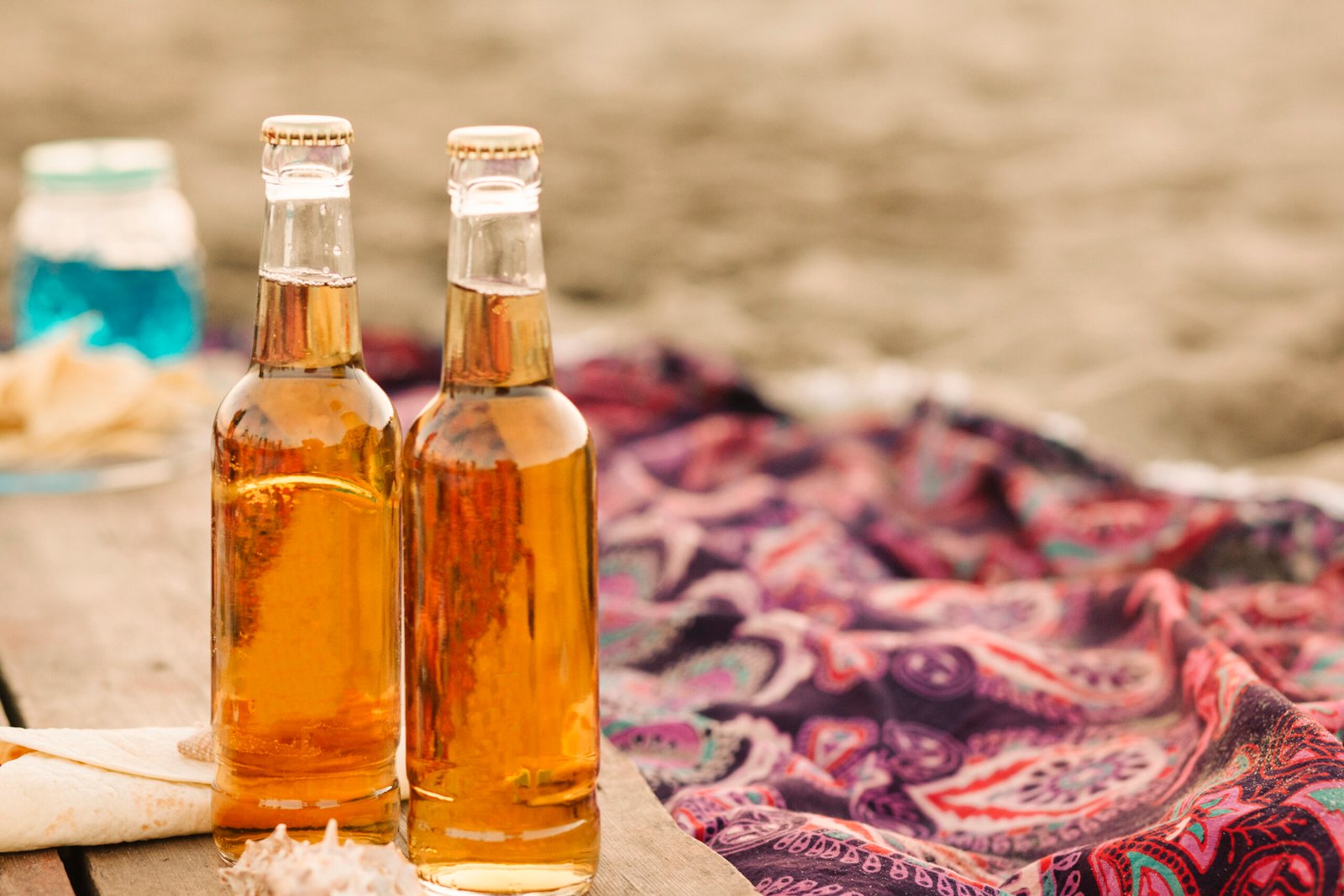
Direct answer: Tourists can usually drink alcohol in licensed restaurants and bars, private homes (if invited), certain tourist resorts, and many international hotels. The key is that the place is licensed and used to serving alcohol discreetly to visitors.
Below are the most common tourist situations. Each section starts with a short “what to expect” and “what to do” so you can make quick choices on the ground.
Hotels in Egypt (international-style)
- What to expect: Many mid-range and luxury hotels in tourist areas have a lobby bar, rooftop bar, restaurant service, or a lounge that serves alcohol. Some hotels are alcohol-free by choice.
- What to do: Before booking, ask: “Do you have a licensed bar?” On arrival, ask about hours and Ramadan changes. If you want to drink, hotels are usually the simplest and lowest-risk option.
- What to avoid: Taking an open drink outside the hotel, walking around the street with a beer, or getting loud in the lobby or outside the entrance.
Why hotels are “easy mode” for tourists: Hotels that cater to international guests typically know the rules, have security, and have staff trained to handle uncomfortable situations quietly. This reduces both legal risk and personal safety risk. It also helps if you need transport late at night—hotel taxi desks are often the most reliable option.
How to choose the right hotel if alcohol matters to you:
- Look for hotels described as international-style, business hotels, or full-service hotels (these are more likely to have bars).
- Confirm bar availability before you book. Do not assume. Even a “nice” hotel can be alcohol-free.
- Ask about where alcohol is served (lobby bar, rooftop, restaurant, pool bar) and when it is served (some places have set hours).
Can you drink in your hotel room? Often yes, but it depends on the property. Some hotels allow guests to keep alcohol in their rooms. Some have stricter policies about outside alcohol in public areas like pools and restaurants. Large resorts may have security checks and may not allow outside alcohol into public resort spaces.
Practical tip: If you plan to drink, keep the night simple: drink inside the bar → pay and tip → ask staff to arrange a taxi → go directly back to your room.
Tourist resorts (Hurghada / Sharm el-Sheikh / Red Sea towns)
- What to expect: Resorts in major Red Sea destinations are often the most predictable places for tourists to drink alcohol. In many all-inclusive resorts, alcohol service can feel normal inside the resort compound.
- What to do: Keep drinks inside resort bars, restaurants, and pool areas. Follow resort rules and staff guidance (some areas may be “no glass,” or some bars may close earlier).
- What to avoid: Do not assume you can take alcohol into public streets, public transport, or public beaches. A resort wristband is not permission outside the resort.
All-inclusive vs. pay-as-you-go:
- All-inclusive: often includes some drinks, sometimes only house beer/spirits, and sometimes only at certain hours.
- Half board / bed & breakfast: alcohol is usually extra, and hotel bars can be expensive compared to shops.
Resort “bubbles” and why they matter: Resort towns are still Egyptian towns. Inside the resort, alcohol may be normal and openly served. Outside, the social expectations and enforcement can change quickly from street to street. Staying inside the resort compound is usually the safest choice if you want to drink.
Cairo & Alexandria (licensed places in big cities)
- What to expect: Alcohol exists in big cities, but it is not “everywhere.” Many everyday local cafés do not serve alcohol. The easiest options are often hotel bars and a smaller set of licensed restaurants.
- What to do: Ask your hotel concierge for licensed venues known to be tourist-friendly. If you are not sure a venue is licensed, do not guess—use a major hotel bar instead.
- What to avoid: Avoid bar-hopping through random streets with open containers. Avoid loud “party behavior” outside venues. Avoid trying to drink in conservative local cafés.
How tourists usually drink in Cairo/Alexandria: Most tourists who want a drink choose a known, controlled setting: a hotel restaurant with dinner, a hotel rooftop bar, or a licensed restaurant attached to a hotel. This is less about “luxury” and more about reducing risk.
Neighborhood reality (simple version): In Cairo, areas with more international hotels and business dining tend to have more licensed options. Some neighborhoods can feel very conservative even if they are busy. If you are unsure, the hotel area is a safer choice than experimenting late at night.
Nile cruises (tourist boats)
- What to expect: Many tourist-focused Nile cruises have a bar or lounge and serve alcohol as part of the onboard hospitality.
- What to do: Follow the “ship rules” about where you can carry drinks. Ask staff whether drinks are allowed on the sun deck and during docking.
- What to avoid: Do not assume you can take drinks off-board during temple visits and stops.
Why cruises are often easy for tourists: The environment is controlled, staff are used to visitors, and you are not navigating city streets. However, cruise rules still matter, and discretion is still smart during stops and excursions.
Where alcohol is NOT allowed (high-risk)
Direct answer: Alcohol is not safe to consume in Egypt in public places like streets and other unlicensed areas. For tourists, public drinking is the fastest way to create legal trouble and unwanted attention.
High-risk places and situations for tourists
These are the situations that most often cause problems (even if you do not mean to offend anyone):
- Walking down the street with an open beer
- Drinking in public squares or parks
- Drinking on public transport
- Drinking on public beaches (not the same as a private resort beach)
- Drinking near religious sites (mosques and surrounding areas)
- Visible drunken behavior in public (shouting, arguing, harassment)
- Carrying open containers between venues (“just a short walk” is still risky)
Common misunderstandings to avoid (short version)
- “It’s okay if it’s hidden in a cup.” Still risky. The problem is being in an unlicensed public place, not only visibility.
- “I’m in a tourist city, so the street is fine.” Tourist cities can still have conservative areas and local enforcement.
- “The hotel wristband means I can drink outside.” A wristband is for your package, not legal permission in public.
- “A short walk to the taxi is fine.” Better: finish your drink inside, then leave without an open container.
Table 1: Where alcohol is usually allowed vs not allowed in Egypt
This table is a practical guide for tourists. Local rules can vary, and venue licensing matters.
| Place / situation | Is alcohol usually allowed for tourists? | What to do instead |
|---|---|---|
| International hotel bar / restaurant | Usually yes (if licensed) | Ask staff about serving hours and rules |
| All-inclusive resort bar (Hurghada / Sharm) | Usually yes (inside resort) | Keep drinks inside resort areas |
| Licensed restaurant in Cairo/Alexandria | Often yes in some places | Call ahead or ask concierge |
| Nile cruise bar | Often yes on tourist cruises | Follow boat rules; avoid taking drinks off-board |
| Your private hotel room (where hotel permits) | Often yes | Check hotel policy on outside alcohol |
| Street, sidewalks, public squares | No (high risk) | Drink at a licensed venue instead |
| Public parks / public beaches | Usually no (high risk) | Use resort/private areas where permitted |
| Local café in conservative area | Usually no | Order tea/coffee; enjoy non-alcoholic drinks |
| Mosque area / religious sites | No | Avoid alcohol entirely near religious sites |
| Taxi / ride-hailing car with an open drink | Risky | Finish at venue; carry sealed items discreetly |
What to do if you are told to stop (security/police)
If a guard, manager, or police officer tells you to stop drinking or to leave:
- Stay calm and polite (even if you feel it is unfair).
- Do not argue or raise your voice.
- Put the drink down, pay if needed, and leave.
- Go back to your hotel using a taxi/ride-hailing.
- Have your passport/ID ready if asked.
Official reference: For the official wording on alcohol laws and public behavior, see the GOV.UK Egypt travel advice page (link in “Suggested External Links” below).
Ramadan: what changes for tourists
You can sometimes drink alcohol in Egypt during Ramadan in tourist hotels and some licensed venues, but availability and serving style can change. During Ramadan, it is culturally sensitive to eat, drink, or smoke in public during daylight hours. You are not expected to fast as a tourist, but you are expected to be respectful.
What Ramadan is, in simple travel terms
Ramadan is a holy month for Muslims. The dates change every year because it follows the Islamic lunar calendar. If your trip overlaps Ramadan, expect a different daily rhythm: later evenings, quieter daytime streets in some areas, and more attention to polite behavior.
In practical tourist terms, Ramadan often means:
- Some restaurants and cafés change hours (more activity after sunset).
- Some venues serve alcohol more discreetly or reduce service.
- Hotels may separate non-fasting guests in certain dining areas (venue policy varies).
- There can be more traffic and more rushed driving near dusk (around iftar time).
What changes for alcohol specifically
There is no single rule that applies everywhere in the same way. Licensing and local practice matter. In many tourist settings, you may notice:
- Some hotels continue alcohol service, but may be more discreet.
- Some restaurants pause alcohol service or serve only in specific sections.
- Opening hours can change (especially for bars).
- Service can slow down around iftar (sunset meal) because staff are busy.
Quick Ramadan tips (5 points)
- Ask your hotel: “Do you serve alcohol during Ramadan, and where?”
- Check daily bar hours (do not assume the same hours every day).
- Avoid eating/drinking in public during daylight hours (especially in conservative areas).
- Dress a bit more modestly when outside resort zones and around religious areas.
- Plan transport around dusk (roads can be busy when people head home).
Official reference: For official guidance on Ramadan etiquette, dress codes, and public behavior, see the GOV.UK Egypt travel advice page (linked below).
Where to buy alcohol in Egypt (duty-free & licensed shops)
Tourists usually buy alcohol through hotel/resort bars, licensed restaurants/bars, licensed alcohol shops in major tourist areas, and sometimes duty-free services. The biggest rule is to buy from reputable, licensed channels, not informal sellers.
Duty-free on arrival (the 48-hour rule: confirm locally)
Some duty-free operators in Egypt state that services are available to arriving tourists within 48 hours of arrival. However, real-life procedures can vary by airport, terminal, staffing, and policy updates. The safe approach is to treat it as “often possible,” not guaranteed, and confirm at the counter when you arrive.
Practical steps that help:
- Keep receipts for anything you buy.
- Keep bottles sealed until you are in a private place (hotel room or resort).
- Pack safely (breakage is a common travel problem).
- Ask staff what rules apply today (hours, access window, purchase procedures).
- Follow customs instructions if questioned (stay polite, show receipts).
Important caution: Limits, taxes, and access rules can change. Avoid relying on old social media posts. Confirm locally at the duty-free counter.
Licensed shops (in big cities and tourist zones)
In major tourist areas, you may find licensed alcohol retailers. These are usually easier to find in large cities and resort zones, and much harder in conservative areas.
What tourists should expect:
- Selection may be limited compared to Europe/US.
- Imported drinks are often more expensive than local options.
- Some shops may ask for ID or a passport.
- Some shops can be discreet (signage and location may not be obvious).
What to do:
- Ask your hotel concierge for a licensed shop location.
- Use maps, but do not rely only on anonymous reviews.
- Avoid buying from informal sellers (quality and legal risk).
Outside major tourist areas
Outside major tourist zones, alcohol may be difficult to find. This is normal. If alcohol matters to your holiday, plan your base in areas where rules are clear (international hotels and resorts).
What you may notice in conservative areas:
- Few or no obvious alcohol shops
- No alcohol in local cafés
- More negative attention if you try to drink publicly
Planning tip: If you are going to smaller towns, desert areas, or remote villages, do not assume alcohol will be available. If you drink, plan to do it at your hotel/resort.
What is the drinking age in Egypt? Drinking age & ID checks
In real tourist life, many licensed venues apply a 21+ policy and may ask for ID, especially in hotels and more formal venues. If you are under 21, expect refusal in many tourist-facing places.
Why “venue policy” matters more than internet debates
Tourists often search for “the legal drinking age,” but what matters for your trip is what venues enforce. In many hotel bars and formal venues, staff may refuse service if you are under 21 or if you cannot show acceptable ID. Even if enforcement feels inconsistent in some places, relying on inconsistency is risky and can create bigger problems.
Why carrying ID matters more than you might expect
In Egypt, police checks can happen. Not having proper ID and visa details can lead to questioning and delays. This is why many travelers keep their documentation accessible when going out at night.
Practical ID strategy (tourist-friendly)
- Safest choice: carry your passport when you go out at night.
- If you prefer not to carry it, ask your hotel what they recommend. Some travelers carry a photocopy and keep the original in the safe (expectations can vary).
- Keep visa details accessible (paper or digital).
- Keep your hotel address and phone number saved on your phone, in case you need help.
Useful official help numbers (tourist-focused)
Numbers can change. Confirm with your hotel reception if you are unsure.
- Tourism police: 126
- Ministry of Tourism and Antiquities hotline: 19654
Official reference: These numbers are listed on the official “Experience Egypt” portal and the Ministry of Tourism and Antiquities channels (linked below).
Safety & etiquette (avoid trouble)
The safest way to drink in Egypt is to stay in licensed venues, keep your behavior calm and respectful, plan transport, watch your drink, and avoid public drinking—especially during Ramadan.
Rule #1: stay in licensed venues
If you remember only one thing, remember this: licensed venue rules protect you. Licensed venues reduce legal risk, reduce conflict, and usually have staff and security who know how to handle problems.
Watch your drink (spiking risk)
Drink spiking can happen in any country. Basic habits reduce risk:
- Keep your drink in sight (do not leave it unattended).
- Avoid accepting open drinks from strangers.
- If something tastes or smells unusual, stop drinking.
- If you suddenly feel much more drunk than expected, get help fast (contact staff, hotel security, or your travel companions).
Avoid unusually cheap or unlabelled spirits (quality risk)
Counterfeit or contaminated alcohol is a known risk in some travel destinations. You do not need to panic, but you should avoid “too cheap” spirits from informal sellers. Safer choices include:
- Buying only from licensed hotels, reputable restaurants, and licensed shops
- Choosing sealed, properly labeled products
- Watching your cocktail being made in front of you in a reputable venue
Transport after drinking
Transport planning is a major safety issue. The goal is to avoid wandering around late at night while intoxicated.
- Use your hotel taxi desk or reputable ride-hailing.
- Avoid long walks at night in unfamiliar areas.
- If you are changing venues, plan the route and transport before you start drinking.
- If a place feels uncomfortable, leave early and go back to your hotel.
Do not drink and drive
If you are driving in Egypt, do not drink at all. Even one drink can create serious legal and safety problems. For nightlife, taxis/ride-hailing are the safer option.
Respect and etiquette (simple rules)
Egypt is culturally conservative in many areas. You do not have to “overthink” everything, but simple respect makes your trip smoother:
- Keep voices down in public at night.
- Avoid swearing and aggressive behavior.
- Avoid public affection outside tourist zones.
- Dress a bit more modestly when leaving resort areas, especially during Ramadan and near religious sites.
Extra notes for solo travelers and women
- Choose well-known hotels and venues with visible security.
- Prefer hotel bars or established venues over unknown places.
- Avoid leaving a venue alone late at night if possible. Ask staff to help arrange a taxi.
- If someone is bothering you, move closer to staff, pay and leave.
Example scenario: a respectful evening out (simple templates)
Template 1: Cairo evening (mid-range traveler)
- Dinner at your hotel restaurant or a licensed restaurant recommended by the concierge.
- One or two drinks with dinner, kept at the table.
- If you want a second stop, choose a hotel bar (ask concierge where is licensed and safe).
- Pay, tip politely, ask staff to arrange a taxi/ride.
- Go directly back to your hotel. No open containers outside.
- Keep passport/ID accessible in case of checks.
Template 2: Hurghada resort evening
- Drink at the resort bar or restaurant.
- Stay inside resort areas (pool/bar/restaurant zones).
- If you go out, use a licensed venue recommended by the resort and go by taxi/ride-hailing.
- Return to the resort directly after.
Official references: For public behavior, ID checks, and alcohol laws, see GOV.UK travel advice. For drink-safety basics, see Travel Aware and CDC guidance (linked below).
Costs (keep it light)
Prices and exchange rates can change quickly in any country, and alcohol prices vary a lot by venue. Instead of giving unreliable numbers, use these practical budgeting rules:
- Licensed shops are usually cheaper than hotel and resort bars.
- Imported alcohol is usually more expensive than local beer/wine options.
- Always ask to see the menu before you order, especially at hotel rooftop bars.
- Check your bill for service charge (common in hotels and restaurants).
- Tipping: small tips or rounding up is common for good service (bars, hotels, drivers).
- Carry small cash notes in case card machines fail or tips are easier in cash.
Tip: If you want to keep costs under control, have your drinks with dinner at a hotel restaurant and avoid multiple venue changes.
Further reading (internal links)
Suggested supporting cluster articles (use these for internal linking):
- Drinking in Public in Egypt: What Tourists Should Know (2026)
- Buying Alcohol in Egypt: Duty-Free, Licensed Shops & Tips
- Alcohol in Egypt Hotels & All-Inclusive Resorts: Rules & What to Expect
- Ramadan in Egypt for Tourists: Food, Alcohol & Etiquette (2026)
Frequently Asked Questions
1) Can tourists drink alcohol in Egypt?
Yes, tourists can drink alcohol in Egypt, but mainly in licensed venues such as hotel bars, licensed restaurants, certain tourist resorts, and many Nile cruises. The biggest mistake is drinking in public places such as streets and public transport.
2) Is alcohol legal in Egypt for tourists?
Alcohol is available legally in licensed venues, and tourists can use those venues. The same local laws apply to tourists, and public drinking outside licensed places can create serious trouble. This guide is practical travel guidance, not legal advice—always follow venue rules and official travel advice.
3) Is it allowed to drink alcohol in public in Egypt?
No. Public drinking is high risk in Egypt. Avoid streets, parks, public beaches, and public transport. If you want a drink, do it inside a licensed venue and leave without an open container.
4) Can I drink alcohol in Cairo?
Sometimes yes, mainly in international hotel bars and some licensed restaurants. It is not “everywhere,” and many local cafés do not serve alcohol. The simplest approach is to use your hotel bar or ask the concierge for licensed places.
5) Can I drink alcohol in Egypt hotels?
Often yes, especially in mid-range and luxury hotels that cater to international guests. But not all hotels serve alcohol, and some are alcohol-free by choice. If alcohol matters to you, confirm before you book and ask about serving hours.
6) Can I drink alcohol in Hurghada or Sharm el-Sheikh?
Yes, many tourists drink inside resorts and licensed venues in major Red Sea destinations. The key rule is still the same: keep drinking inside licensed/resort areas and avoid public drinking outside.
7) Can I drink alcohol on the beach in Egypt?
It depends on the type of beach. On a private resort beach, alcohol is often served under resort rules. On a public beach, alcohol is usually not appropriate and can be risky. When in doubt, drink inside your resort or at a licensed venue.
8) Can I drink alcohol on a Nile cruise?
Often yes on tourist Nile cruises, where a bar or lounge is common. Follow the ship’s rules and do not assume you can take drinks off the boat during stops.
9) Can you drink alcohol in Egypt during Ramadan?
Sometimes yes, especially in tourist hotels and resorts, but availability and serving style can change. During Ramadan, avoid eating or drinking in public during daylight hours and be discreet outside tourist zones. Ask your hotel what is available and where.
10) Where can I buy alcohol in Egypt?
Common options are hotel/resort bars, licensed restaurants, licensed shops in major tourist areas, and some duty-free services for arrivals. Availability can be limited outside major tourist areas, so plan accordingly.
11) Can I buy alcohol in supermarkets in Egypt?
Usually, supermarkets are not the main place tourists buy alcohol. Alcohol is more commonly found in licensed shops and tourist hotels/bars, and availability varies a lot by location.
12) Can I bring alcohol into Egypt in my luggage?
Possibly, but customs rules and allowances can change and can be confusing. If it matters to you, check official guidance for your nationality before travel and confirm locally. Many tourists find duty-free services easier than guessing luggage rules.
13) Is there a “48-hour” duty-free rule in Egypt?
Some duty-free operators in Egypt state that services are available to arriving tourists within 48 hours of arrival. Policies and procedures can change, so confirm locally at the duty-free counter and follow customs instructions.
14) What is the drinking age in Egypt?
In practical tourist life, many licensed venues apply a 21+ policy and may ask for ID, especially in hotels and formal venues. If you are under 21, expect refusal in many tourist-facing places.
15) Is it safe to drink cocktails and spirits in Egypt?
It is safer to drink alcohol only from reputable, licensed venues (hotel bars, licensed restaurants) and to avoid unusually cheap or unlabelled spirits from informal sellers. Watch your drink being made, keep it with you, and get help quickly if you feel unwell.
Helpful internal links: Cairo | Luxor | Aswan
Suggested External Links
Only official or highly authoritative sources. Details can change—always confirm before travel.
- GOV.UK – Egypt travel advice (Safety & security)
- U.S. Department of State – Egypt Travel Advisory
- Experience Egypt (official tourism portal) – FAQ / useful numbers
- Official Egypt e‑Visa portal
- Ministry of Tourism and Antiquities – hotline service 19654
- Egypt Duty Free Shops – services for arrivals within 48 hours
- EGYPTAIR Duty Free – arrivals within 48 hours (company info)
- CDC – Egypt (traveler health information)
- CDC Yellow Book – poisonings and toxic exposures during travel
- Travel Aware (FCDO campaign) – spiking and methanol poisoning