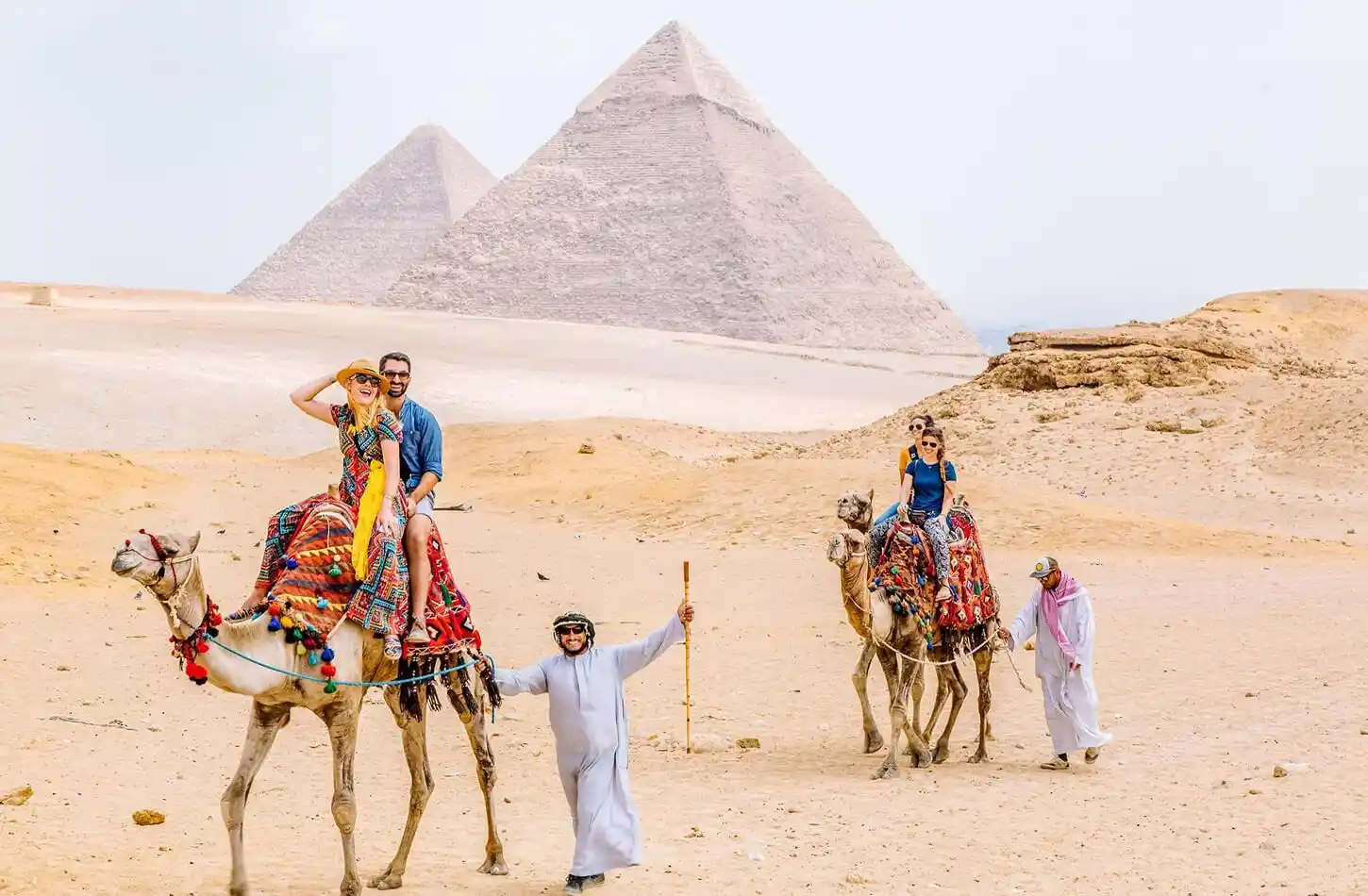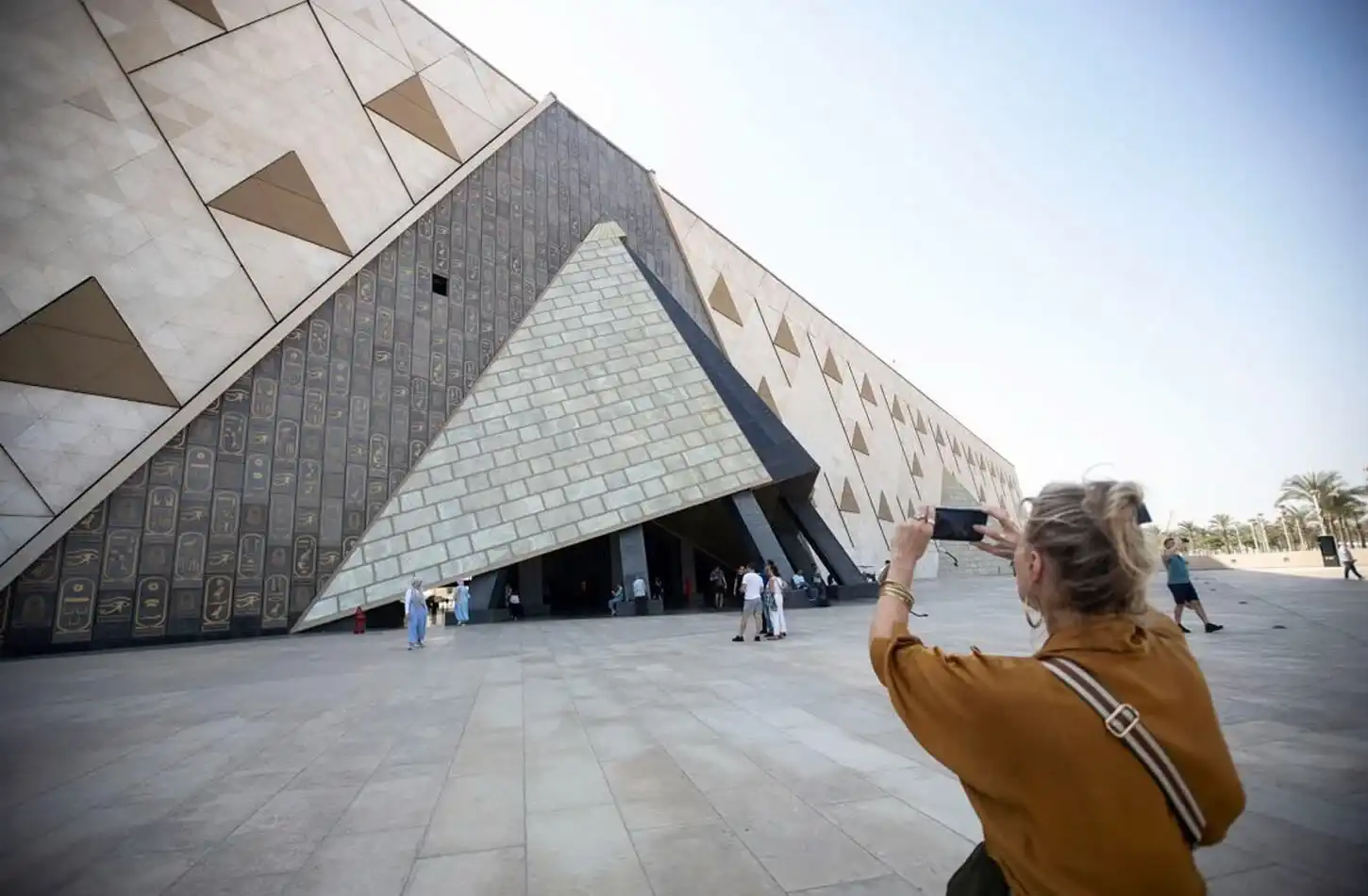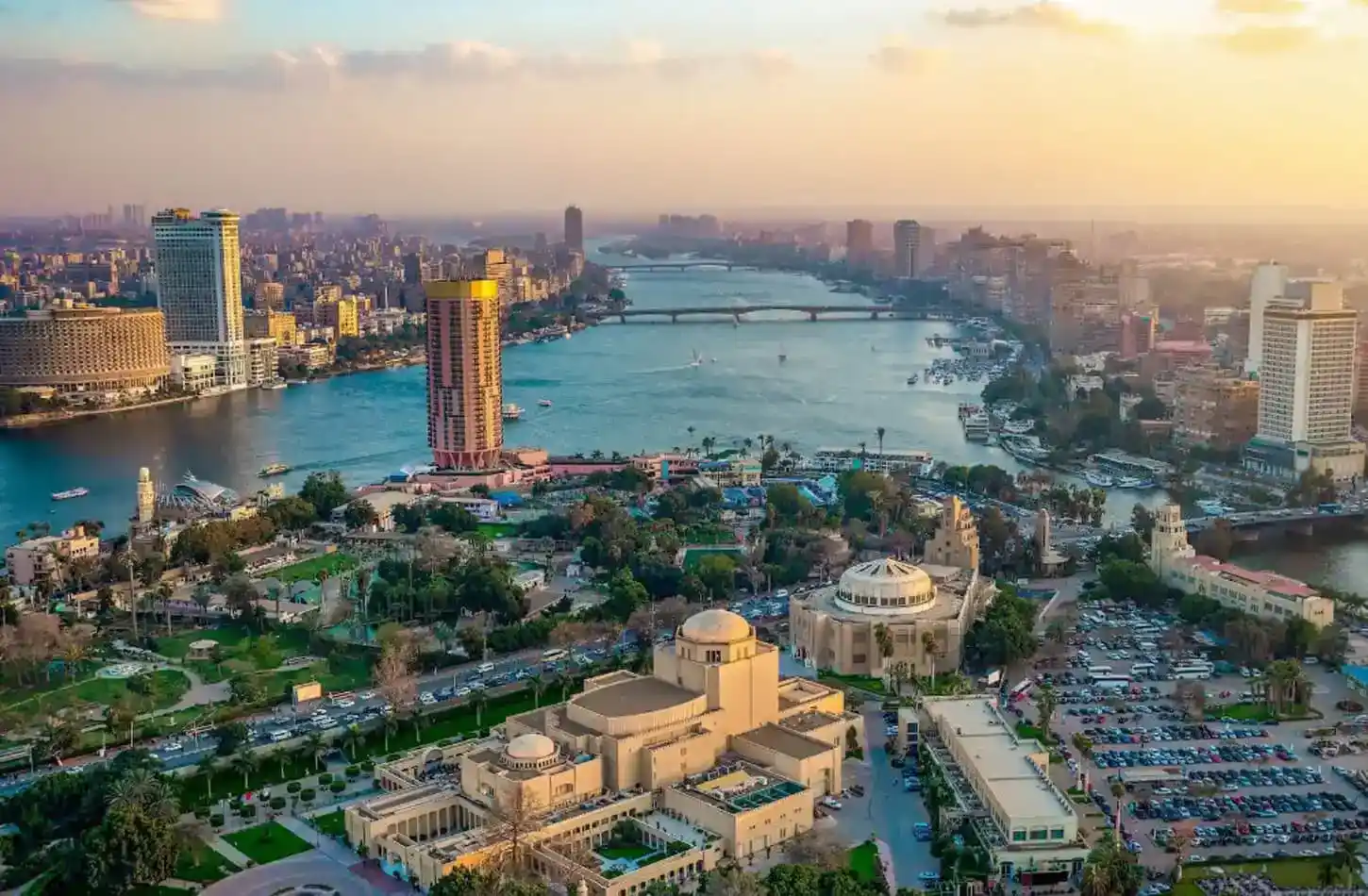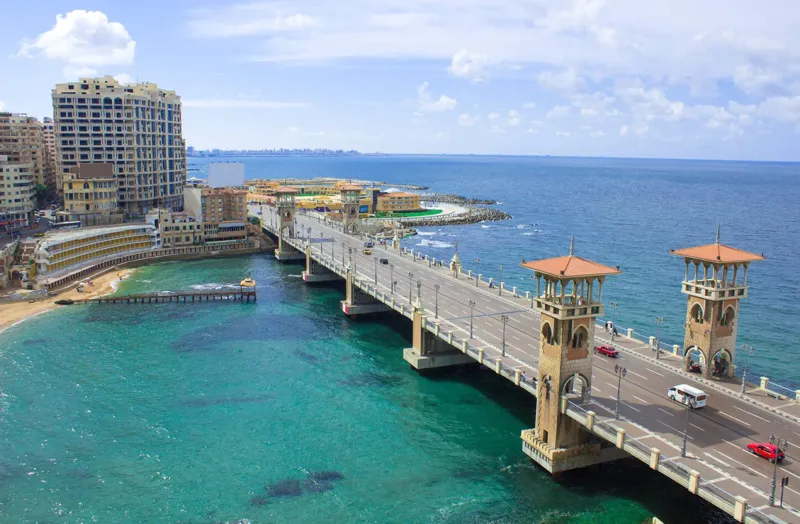
The Egypt travel advisory picture in 2026 is more nuanced than any single headline suggests. The US State Department currently rates Egypt at Level 2: Exercise Increased Caution — the same level as France, Germany, and dozens of other popular tourist destinations. The UK FCDO and Australian DFAT both allow travel to Egypt’s main tourist zones. Cairo, Luxor, Aswan, Hurghada, and the Nile cruise corridor are all accessible. This guide breaks down the current travel advisory for Egypt by country, zone, and practical impact — so you can make an informed booking decision.
Egypt Travel Advisory at a Glance
| Country | Advisory Level | Main Tourist Areas | Zones to Avoid |
|---|---|---|---|
| 🇺🇸 USA | Level 2: Exercise Increased Caution | Cairo, Luxor, Aswan, Red Sea — accessible | Northern & Middle Sinai, Western Desert border zones |
| 🇬🇧 UK (FCDO) | Normal vigilance in tourist areas | Cairo, Alexandria, Luxor, Aswan, Hurghada, Sharm — accessible | North Sinai Governorate, within 20 km of Egypt-Libya border, parts of South Sinai beyond St Catherine-Nuweibaa road |
| 🇦🇺 Australia | Exercise a high degree of caution overall | Tourist zones accessible | Northern Sinai, Libya border area, parts of Western Desert |
| 🇨🇦 Canada | Exercise a high degree of caution | Tourist zones accessible | North Sinai, Libya border, parts of Western Desert |
Updated per US Embassy Cairo security alert, April 7, 2026, and UK FCDO Egypt travel advice, March 2026.
Key facts before you read further:
- The US State Department Level 2 advisory for Egypt is a baseline rating that has been in place for years — it does not signal a new or imminent threat to Cairo or the Nile corridor
- The UK FCDO and Australian DFAT do not advise against travel to Egypt’s main tourist destinations
- The Nile cruise route (Luxor–Aswan), Cairo, Hurghada, and Sharm El-Sheikh are all classified as accessible by every major Western government advisory
- Regional tensions following events in early 2026 have added a layer of caution across the broader Middle East — but Egypt’s tourist infrastructure, Tourism Police presence, and airport operations have remained unaffected
Current Egypt Travel Advisory: US State Department (USA)
The official US travel advisory Egypt rating is Level 2: Exercise Increased Caution, as confirmed by the US Embassy Cairo in its most recent security alert (April 7, 2026). The Egypt travel advisory USA Level 2 designation cites terrorism, crime, and health as the reasons for the rating. This is the same level assigned to countries including Belgium, France, Italy, and the United Kingdom.
The US Embassy Cairo confirmed in March 2026 that the State Department’s Travel Advisory for Egypt remains unchanged at Level 2 ‘Exercise Increased Caution,’ with ‘Do Not Travel’ guidance for the Northern and Middle Sinai as well as parts of the Western Desert. Egyptian airspace remained open and all commercial airports operational as of that date.
The four US advisory levels are: Level 1 (Exercise Normal Precautions), Level 2 (Exercise Increased Caution), Level 3 (Reconsider Travel), and Level 4 (Do Not Travel). Egypt at Level 2 means US authorities are aware of risks but are not advising against travel to the country overall. The Level 2 designation for Egypt is not a recent change — it has been the baseline rating for several years and reflects long-standing risk factors rather than an acute crisis.
What Level 2 Means for the Cairo Egypt Travel Advisory
The Cairo Egypt travel advisory sits within the Level 2 overall country rating. Cairo is not subject to any specific elevated sub-zone advisory from the US State Department. The US Embassy in Cairo operates normally, located at 5 Tawfik Diab Street, Garden City. American travellers in Cairo should follow the same precautions recommended for any major city: avoid large demonstrations, stay alert near religious sites and diplomatic buildings, and monitor US Embassy updates via the STEP programme (step.state.gov).
As of April 7, 2026, the US Embassy Cairo advised US citizens to exercise caution and stay alert at locations publicly associated with the United States, keep a low profile, avoid all demonstrations and large gatherings, monitor local media, and follow the instructions of local authorities. These are standard precautions, not acute warnings.
Do Not Travel Zones in Egypt (USA)
Within the overall Level 2 advisory, the US State Department designates two specific sub-zones at the higher “Do Not Travel” level:
- Northern and Middle Sinai Peninsula — due to active terrorism and armed conflict. The tourist resort areas of South Sinai (Sharm El-Sheikh, Dahab, Nuweibaa) are not included in this restriction.
- Parts of the Western Desert — specifically remote border areas away from established tourist routes. The road between Giza and Farafra (used for White Desert tours with licensed operators) is not under a blanket prohibition, but the US advises caution.
The standard tourist itinerary in Egypt — Cairo, Giza, Luxor, Aswan, Nile cruise, Hurghada — does not pass through any Do Not Travel zone.
Current Egypt Travel Advisory: UK FCDO
The UK FCDO Egypt travel advisory allows travel to all of Egypt’s main tourist destinations. The FCDO advises against all travel to within 20 km of the Egypt-Libya border (except the town of El Salloum, where all but essential travel is advised against), against all travel to the North Sinai Governorate, and against all but essential travel to the northern part of the South Sinai Governorate beyond the St Catherine-Nuweibaa road, except for the coastal areas.
The FCDO specifically notes that Luxor, Qina, Aswan, Abu Simbel, and the Valley of the Kings are within the accessible zone — a direct confirmation that the Nile cruise route is safe under UK government travel advice. The UK government still considers Cairo, Alexandria, Luxor, Aswan, and the Red Sea resorts (Sharm El-Sheikh, Hurghada) safe for travel, though it warns of a “heightened risk of regional tension” and advises travellers to take sensible precautions.
The FCDO updated its Egypt advice in March 2026 in the context of broader regional tensions. The update added a note about heightened regional risk across the Middle East but did not change the fundamental access status of Egypt’s tourist zones.
Where FCDO Advises Against Travel in Egypt
The UK FCDO’s restricted zones in Egypt are:
- North Sinai Governorate — all travel advised against
- Within 20 km of the Egypt-Libya border — all travel advised against (except El Salloum: all but essential travel)
- Northern South Sinai beyond the St Catherine-Nuweibaa road — all but essential travel, except for the coastal areas along the west and east of the peninsula
- Ismailiyah Governorate east of the Suez Canal — all but essential travel
- Area west of the Nile Valley and Nile Delta — all but essential travel, except for Luxor, Qina, Aswan, Abu Simbel, the Valley of the Kings, and specific road corridors used for desert tourism with licensed operators
- Hala’ib Triangle and Bir Tawil Trapezoid — all but essential travel
None of these restrictions apply to Cairo, Giza, Alexandria, Luxor, Aswan, Hurghada, or the Nile cruise route.
Current Egypt Travel Advisory: Australia & Canada
The Australian DFAT (Smartraveller) rating for Egypt is “Exercise a high degree of caution overall,” with sub-zone advice against travel to North Sinai and the Libya border region. Australian nationals can travel to Cairo, the Nile corridor, and Red Sea resorts under this advisory. The DFAT advice is updated regularly at smartraveller.gov.au.
Canada (Global Affairs Canada) also advises “Exercise a high degree of caution” for Egypt overall, with “Avoid non-essential travel” to North Sinai. Like the US, UK, and Australian advisories, the Canadian advice does not restrict travel to Cairo, Luxor, Aswan, or the Red Sea resorts. Canadian nationals should check travel.gc.ca for the most current guidance before departure.
Both the Australian and Canadian advisories align closely with the US State Department Level 2 assessment — tourism in Egypt’s established visitor zones remains possible and widely practiced under all four governments’ guidance.
What the Egypt Travel Advisory Means for Tourist Areas
Cairo
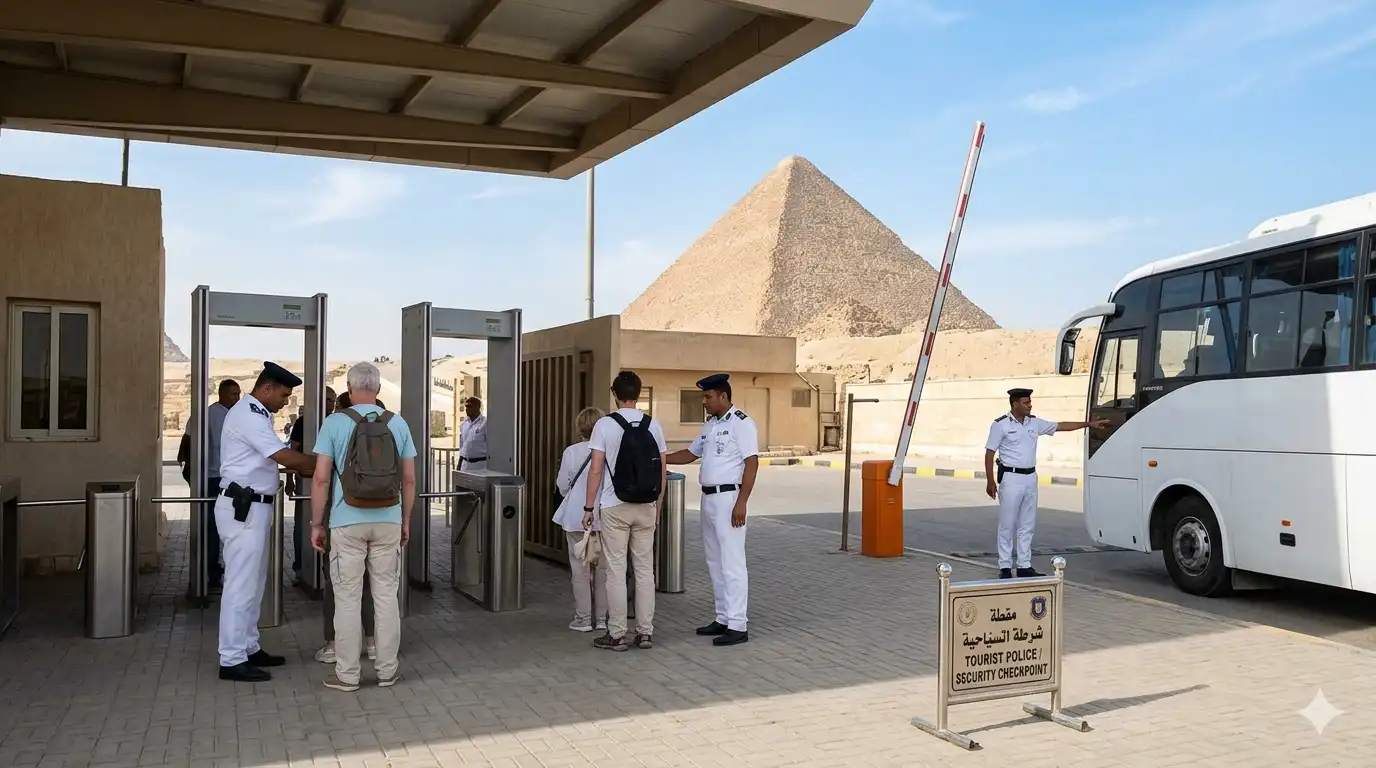
The Cairo Egypt travel advisory from every major Western government permits travel to the capital. Cairo’s tourist sites — the Giza Plateau, Grand Egyptian Museum, Khan El-Khalili, Egyptian Museum in Tahrir, Islamic Cairo — all sit well within the city’s tourist infrastructure. Specialised Tourism Police (Tourist Police, dial 126) are deployed at all major sites. The US Embassy at Garden City operates normally. For practical safety guidance specific to Cairo, Is Egypt Safe for Tourists in 2026? covers the current situation in detail.
Luxor & Aswan (Nile Cruise Route)
The UK FCDO explicitly names Luxor, Aswan, Abu Simbel, and the Valley of the Kings as accessible under its Egypt travel advisory. The US State Department’s Level 2 rating does not apply any sub-zone restriction to the Nile corridor. The Luxor–Aswan route is the most heavily policed tourist corridor in Egypt — Tourism Police patrol every major site, and cruise ships on the river operate under security protocols that have been in place since the 1990s. For current pricing on the Nile cruise, Nile Cruise Luxor to Aswan Prices 2026 has the full breakdown.
Hurghada & Red Sea
Hurghada and the Red Sea coast are accessible under all major Western government advisories. The UK FCDO lists Red Sea resorts as safe; the US Level 2 rating does not add any sub-zone restriction to Hurghada or the northern Red Sea coast. Nile cruise routes between Luxor and Aswan, as well as Red Sea destinations such as Sharm El Sheikh and Hurghada, were recording robust bookings from European and American travellers. Hurghada is also the starting point for combined Egypt itineraries that include Cairo and the Nile — the 9 Day Cairo, Nile Cruise & Hurghada Experience covers this format.
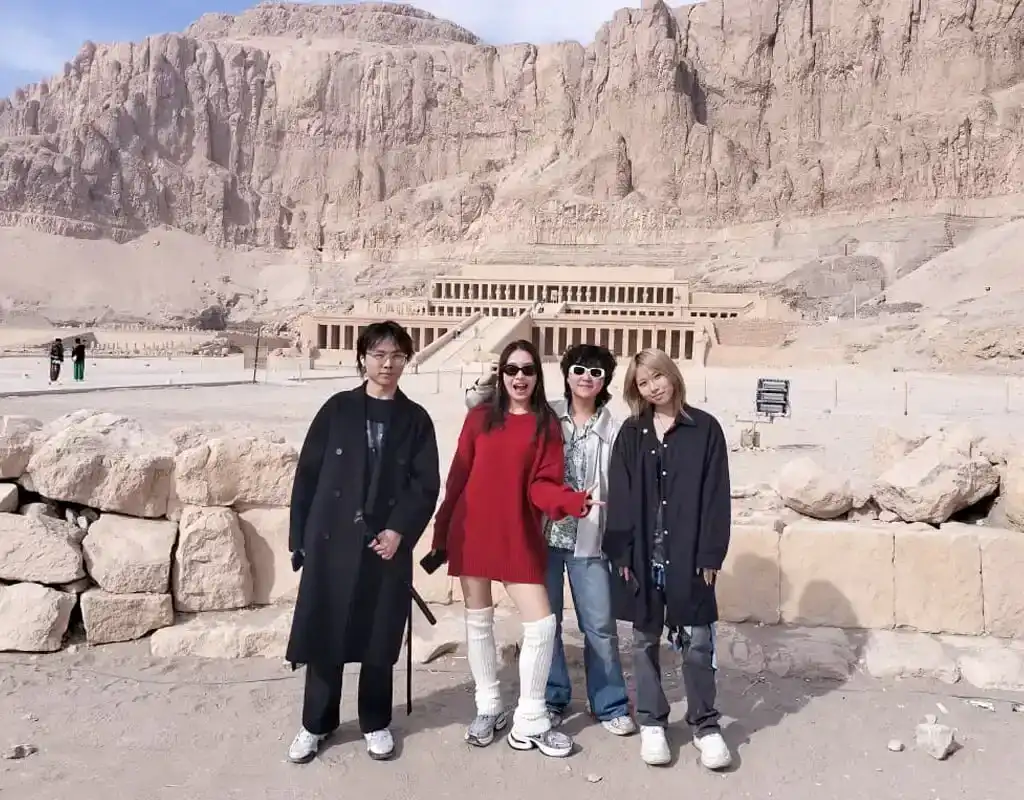
Sharm El-Sheikh
Sharm El-Sheikh sits on the southern tip of the Sinai Peninsula — geographically in Sinai but not within the North or Middle Sinai zone covered by travel restrictions. The US State Department’s Do Not Travel designation applies to the Northern and Middle Sinai, not to South Sinai’s coastal resort areas. The UK FCDO specifically excludes the coastal areas of South Sinai from its heightened restrictions. Sharm El-Sheikh’s international airport operates normally; some UK airlines have maintained historical restrictions on Sharm flights since 2015 independent of current FCDO advice — check with your specific airline.
How to Stay Safe in Egypt as a Tourist
The practical safety steps below apply to any trip to Egypt under the current travel advisory:
Before departure:
- Register with your government’s traveller registration system: US STEP (step.state.gov), UK LOCATE (locate.fco.gov.uk), Australian DFAT registration, or Canada’s Registration of Canadians Abroad
- Purchase comprehensive travel insurance that covers Egypt and includes medical evacuation — confirm your insurer covers destinations with active Level 2 advisories (most do)
- Save your embassy’s emergency number in your phone: US Embassy Cairo (+20-2-2797-3300), UK Embassy Cairo (+20-2-2791-6000)
- Download offline maps of Cairo and Luxor — connectivity can be intermittent in parts of the Western Desert
At the sites:
- Stay close to your licensed guide at the Giza Plateau — the highest concentration of touts and unsolicited services in Egypt clusters near the Sphinx exit and the panorama area
- Avoid carrying large amounts of cash; use a crossbody bag worn in front in market areas
- Do not photograph military installations, government buildings, bridges, or airports — Egyptian law prohibits this and police enforce it
- Avoid demonstrations and political gatherings without exception
Travel logistics:
- Book organised tours with licensed Egyptian operators — Tourism Ministry registration numbers are a legitimate verification step
- Confirm your airline’s current status for flights into Cairo or Luxor, particularly if connecting through Gulf airports — regional airspace has been subject to disruption in early 2026
- Keep travel documents (passport, visa, travel insurance) accessible at all times; police checkpoints on desert highways require ID
For a detailed practical guide on navigating Egypt safely, how to travel safely in Egypt covers site-specific advice, common scams, and emergency contacts. For cultural safety — dress code, social norms, and behaviour at religious sites — cultural etiquette in Egypt gives the full picture.
Egypt Entry Requirements & Visa in 2026
Entry into Egypt requires a visa for most Western nationalities. Two options at the time of writing:
e-Visa (recommended): Apply online at visa2egypt.gov.eg before departure. Cost: USD $25. Processing: 3–5 business days. Single or multiple entry options available. The e-visa is recommended for peak season travel to avoid 45–60-minute arrival queues at Cairo International Airport.
Visa on Arrival: Available at Cairo, Luxor, Aswan, and Sharm El-Sheikh airports. Cost: USD $25, payable in USD, euros, or GBP (cash only). No pre-application required. GCC nationals and some other nationalities are exempt from visa requirements.
Dual US-Egyptian citizens should be aware that Egyptian law considers them solely Egyptian citizens — the US Embassy’s ability to assist in a legal dispute or detention is limited in these cases, as noted directly in the US State Department advisory. For a full nationality-by-nationality breakdown of visa requirements, Egypt visa requirements has the current information.
Travel Insurance for Egypt in 2026
Travel insurance that covers Egypt is standard and widely available from major insurers in the US, UK, Australia, and Canada. The US Level 2 advisory and UK FCDO “exercise caution” designation for tourist areas do not typically invalidate travel insurance — the trigger for invalidation is travel to zones where the government specifically advises against all travel (such as North Sinai).
Key things to confirm with your insurer before booking:
- Medical evacuation cover — Egypt’s private hospitals in Cairo and Luxor are well-equipped, but evacuation cover provides a safety net
- Trip cancellation or disruption cover — regional airspace issues in early 2026 caused some flight disruptions, and having cancellation cover gives flexibility
- Cover for activities: Nile cruises, Red Sea diving, and desert tours may require specific adventure activity endorsements depending on your policy
The UK FCDO warns that travel insurance could be invalidated if you travel to areas where FCDO advises against all travel. For tourist itineraries in Cairo, Luxor, Aswan, and Hurghada, this risk does not apply. Check your policy wording specifically rather than relying on general assurances. For planning advice before you book, planning a trip to Egypt covers the full pre-departure logistics including insurance considerations.
Egypt Travel Advisory: Regions to Avoid
The table below summarises the restricted zones across all four major Western advisories. Standard tourist itineraries — Cairo, Nile cruise, Red Sea — do not intersect with any of these zones.
| Region | US State Dept | UK FCDO | Australia DFAT | Canada |
|---|---|---|---|---|
| North Sinai Governorate | Do Not Travel | Advise against all travel | Avoid all travel | Avoid non-essential |
| Middle Sinai | Do Not Travel | Avoid all but essential | Avoid all travel | Avoid non-essential |
| Within 20 km Egypt-Libya border | Do Not Travel | Advise against all travel | Avoid all travel | Avoid non-essential |
| Parts of Western Desert (border zones) | Do Not Travel | Avoid all but essential (exceptions for tourist roads) | Avoid all travel | Avoid non-essential |
| South Sinai coastal resorts (Sharm, Dahab) | Level 2 caution | Accessible (coastal exception applies) | Exercise caution | Exercise caution |
| Cairo | Level 2 caution | Accessible | Accessible | Accessible |
| Luxor, Aswan, Nile corridor | Level 2 caution | Explicitly accessible | Accessible | Accessible |
| Hurghada, Red Sea coast | Level 2 caution | Accessible | Accessible | Accessible |
Is the Egypt Travel Advisory Stopping Tourists in 2026?
The evidence from early 2026 suggests that the Level 2 advisory and regional tensions have not caused a major collapse in Egypt tourism. Egypt’s tourism sector entered 2026 on a stronger footing, buoyed by high-profile archaeological openings, improved infrastructure and the country’s relatively lower risk rating compared with some regional neighbours. Red Sea destinations such as Sharm El Sheikh and Hurghada, as well as Nile cruise routes between Luxor and Aswan, were recording robust bookings from European and American travellers.
The Grand Egyptian Museum, which opened fully in 2024, has driven a significant increase in Cairo itineraries. Nile cruise ship capacity across Luxor and Aswan remains high, with most ships running at or near full occupancy during the October–March peak season. The regional tensions of early 2026 caused a short-term spike in cancellation queries and some US travellers to delay bookings — but Egypt’s Tourism Police presence at all major sites, the stability of the Nile corridor, and the continued operation of Cairo International Airport have meant that organised tour operators report ongoing departures without incident.
How to Register with Your Embassy Before Travelling to Egypt
Every major Western government offers a free traveller registration service that delivers emergency alerts directly to your email or phone. Registration is not mandatory but is strongly recommended under the current Egypt travel advisory:
- US citizens: Smart Traveler Enrollment Program (STEP) at step.state.gov — provides automatic security alerts from the US Embassy Cairo by email
- UK citizens: Register on the FCDO’s LOCATE service — available through the gov.uk travel advice pages
- Australian citizens: Register at smartraveller.gov.au
- Canadian citizens: Registration of Canadians Abroad at travel.gc.ca
Registration takes under 5 minutes and means your embassy knows you are in the country if an emergency arises. US Embassy Cairo emergency line: +1-202-501-4444 (from abroad) or +1-888-407-4747 (from the US and Canada).
Planning Your Egypt Trip Under the Current Advisory
The current Egypt travel advisory — Level 2 from the US, normal vigilance in tourist zones from the UK and Australia — does not prevent travel to Egypt’s main tourist corridor. Millions of international visitors travel to Egypt annually; Cairo, Luxor, Aswan, and the Red Sea coast receive consistent tourism throughout the year.
The practical impact of the advisory on your planning:
Choose organised tours over independent travel. Organised tours with licensed Egyptian operators provide licensed guides, dedicated Tourism Police access, and logistics management that reduces individual exposure to unpredictable situations. The 8-Day All-Inclusive Cairo & Nile Cruise Tour and similar packaged itineraries handle all transportation, site access, and security-adjacent logistics so you don’t have to.
Book cancellation-flexible fares and tours. Regional situations can evolve — booking with flexible cancellation terms (or with travel insurance that covers disruption) gives you options if the advisory level changes before your departure date. Most Egypt tour operators offer date-change flexibility during periods of regional uncertainty.
Check your airline’s current status. Some flight routes crossing Gulf airspace were subject to cancellations and rerouting in early 2026. Confirm your airline’s Egypt service is operating normally before booking non-refundable tickets. Cairo International Airport and Luxor Airport have continued to operate without disruption.
Read the full advisory for your nationality. The summaries in this article reflect the situation at the time of writing — always check the primary source for your government’s current advice before booking. Details can and do change. For a complete Egypt pre-trip planning guide, planning a trip to Egypt covers itinerary structures, budget, and logistics in one place.

Tips for US Travellers Under the Egypt Travel Advisory USA
American citizens researching the Egypt travel advisory USA designation should understand the Level 2 system before making a decision. Level 2 is a standard risk rating — not an evacuation notice, not an imminent threat warning, and not the same as Level 3 (Reconsider Travel) or Level 4 (Do Not Travel).
Enroll in STEP before departure. The Smart Traveler Enrollment Program is the US government’s primary method of reaching American citizens abroad in an emergency. Enrollment is free, takes 5 minutes, and means the US Embassy Cairo can contact you directly if conditions change.
Dual US-Egyptian nationals: Egyptian law treats dual citizens as solely Egyptian citizens. If detained or arrested, US Embassy assistance is limited. This is noted explicitly in the State Department advisory and should be factored into your risk assessment if this applies to you.
Medications: If you plan to bring prescription medication into Egypt, be aware that not all medications that are legal in the US are allowed. Keep your medicine in its original packaging and carry a letter from your doctor that notes the medication is for personal use, the required dosage, the condition you’re being treated for, and the amount you’re bringing. The Ministry of Health will check your medication when you arrive.
Scams: Internet romance and financial scams targeting Americans are common — this appears in the State Department advisory and is worth noting for travellers who may have been approached online before arrival. At the tourist sites, pyramid plateau hustling (camel handlers, unofficial guides, photograph-then-pay) is the most common issue American visitors report. A licensed guide eliminates most of this friction.
For a complete guide to solo and independent travel in Egypt, including safety by location, Egypt solo travel guide covers what to expect by city and site type. For first-time visitors, Egypt travel tips for first-time visitors covers the practical ground from arrival to departure.
Frequently Asked Questions
What is the current Egypt travel advisory level for US citizens?
At the time of writing, the US State Department Egypt travel advisory is Level 2: Exercise Increased Caution. This has been confirmed by the US Embassy Cairo as recently as April 7, 2026. Level 2 means US authorities are aware of risks — terrorism, crime, and health are cited — but are not advising against travel to Egypt overall. The Do Not Travel sub-zone advisory applies to the Northern and Middle Sinai Peninsula and to parts of the Western Desert border zones. Cairo, Luxor, Aswan, Hurghada, and the Nile cruise corridor are all outside the Do Not Travel zones.
Is it safe to travel to Cairo, Egypt right now?
The Cairo Egypt travel advisory from all major Western governments permits travel to the capital. The US Embassy in Cairo operates normally. The UK FCDO classifies Cairo as accessible. Tourism Police are deployed at all major sites including the Giza Plateau, Egyptian Museum, Grand Egyptian Museum, and Khan El-Khalili. Standard precautions apply: avoid demonstrations, stay alert near diplomatic buildings and religious sites, keep a low profile. For travellers on organised tours with licensed operators, the practical safety environment in Cairo is well-managed.
What is the FCDO travel advice for Egypt?
The UK FCDO Egypt travel advice permits travel to Cairo, Alexandria, Luxor, Aswan, the Nile corridor, Hurghada, and South Sinai coastal resorts. The FCDO advises against all travel to the North Sinai Governorate and within 20 km of the Egypt-Libya border. It advises against all but essential travel to the northern part of South Sinai beyond the St Catherine-Nuweibaa road (coastal areas are excepted), the Ismailiyah Governorate east of the Suez Canal, and the area west of the Nile Valley and Nile Delta (with exceptions including Luxor, Aswan, Abu Simbel, and the Valley of the Kings). The FCDO updated its Egypt advice in March 2026 to note heightened regional tension but did not change the access status of Egypt’s tourist destinations.
Does the Egypt travel advisory affect Nile cruises?
No — the Nile cruise route between Luxor and Aswan is explicitly classified as accessible under all major Western advisories. The UK FCDO specifically names Luxor, Aswan, Abu Simbel, and the Valley of the Kings as within its accessible zone. The US State Department Level 2 advisory applies no sub-zone restriction to the Nile corridor. Nile cruise ships operate under established security protocols, and Tourism Police are present at all temple docking points. For current sailing options and pricing, Nile Cruise Luxor to Aswan Prices 2026 has the full market overview.
Is Hurghada safe under the current Egypt travel advisory?
Yes. Hurghada and the Red Sea coast are accessible under US, UK, Australian, and Canadian travel advisories. The UK FCDO classifies Red Sea resorts as safe; the US Level 2 advisory applies no sub-zone restriction to Hurghada. Tourism infrastructure on the Red Sea coast — all-inclusive resorts, airport operations, tourist police presence — remained fully operational through the regional tensions of early 2026. Hurghada is also the base for combined Egypt itineraries including Cairo and Nile cruise packages.
Do I need travel insurance for Egypt given the current advisory?
Yes. Travel insurance is strongly recommended for any Egypt trip regardless of the advisory level. A Level 2 advisory does not typically invalidate travel insurance — the invalidation risk applies only to travel to zones explicitly covered by “advise against all travel” warnings (such as North Sinai). Confirm with your insurer that Egypt is covered under your policy, that medical evacuation is included, and that trip cancellation or disruption cover is active. Regional airspace disruptions in early 2026 affected some connecting flights through Gulf airports — disruption cover provides flexibility if your routing is affected.
What areas of Egypt should I avoid in 2026?
Under the current Egypt travel advisory, the areas to avoid are:
- North Sinai Governorate — all governments advise against travel here due to active armed conflict and terrorism
- Within 20 km of the Egypt-Libya border — restricted by all major advisories
- Middle Sinai (US “Do Not Travel” designation)
- Remote Western Desert border zones away from established tourist routes
The Giza Plateau, Cairo, Alexandria, Luxor, Aswan, Nile cruise route, Hurghada, Dahab, and South Sinai coastal resorts including Sharm El-Sheikh are all outside these restricted zones.
Should I cancel my Egypt trip because of the travel advisory?
That depends on your departure date and current advisory level at the time you read this. At the time of writing, Egypt at Level 2 does not require cancellation — it requires informed preparation. Millions of international visitors travel to Egypt annually on the same Level 2 baseline. The practical steps that reduce risk: book with a licensed tour operator, register with your embassy, purchase comprehensive travel insurance with disruption cover, check your airline’s current status, and monitor your government’s advisory in the weeks before departure. For a structured Egypt tour that handles all logistics, Egypt tour packages covers available itineraries by length and destination.
What does “Exercise Increased Caution” mean for Egypt?
“Exercise Increased Caution” is the US State Department’s Level 2 advisory designation. It means travellers should be aware that risks exist and should take specific precautions — but it does not mean the country is unsafe for tourism. Level 2 is applied to dozens of Western European countries, including France, Germany, and Belgium. The practical difference between Level 1 and Level 2 is primarily heightened awareness: stay alert in crowds, avoid demonstrations, monitor local news, and register with your embassy. Level 3 (Reconsider Travel) and Level 4 (Do Not Travel) signal meaningfully higher risk — Egypt’s Level 2 does not.
How do I register with the US Embassy in Egypt before travelling?
US citizens travelling to Egypt should enrol in the Smart Traveler Enrollment Program (STEP) at step.state.gov before departure. STEP registration links your travel dates and contact information to the US Embassy Cairo, which then delivers automatic security alerts by email. In an emergency, STEP registration means the Embassy can contact you directly and account for your whereabouts. Emergency contact for US citizens abroad: +1-202-501-4444 (from abroad) or +1-888-407-4747 (from the US and Canada). The US Embassy Cairo address: 5 Tawfik Diab Street, Garden City, Cairo.
Is Egypt safe for solo female travellers under the current advisory?
Solo female travel in Egypt is possible and widely practiced — but the State Department advisory specifically notes that harassment of women, including foreigners, is a problem in Egypt. It can include verbal comments, gestures, and unwanted physical contact, and is most common in crowded market areas and public spaces in Cairo rather than at organised archaeological sites. Practical mitigation: travel with a licensed guide for site visits, dress modestly in public (shoulders and knees covered), use ride-hailing apps (Uber operates in Cairo) rather than street taxis, and avoid walking alone at night in unfamiliar neighbourhoods. The Egypt solo travel guide covers the specific considerations for solo female visitors in detail.