
Money in Egypt is simpler than many first-time visitors fear, but a few local habits make a big difference: having small notes, knowing where cards work and where they do not, and understanding how prices are quoted. This guide explains the Egyptian pound, exchange rates, ATMs, cards, how much cash to carry and how to avoid common money problems on your trip.
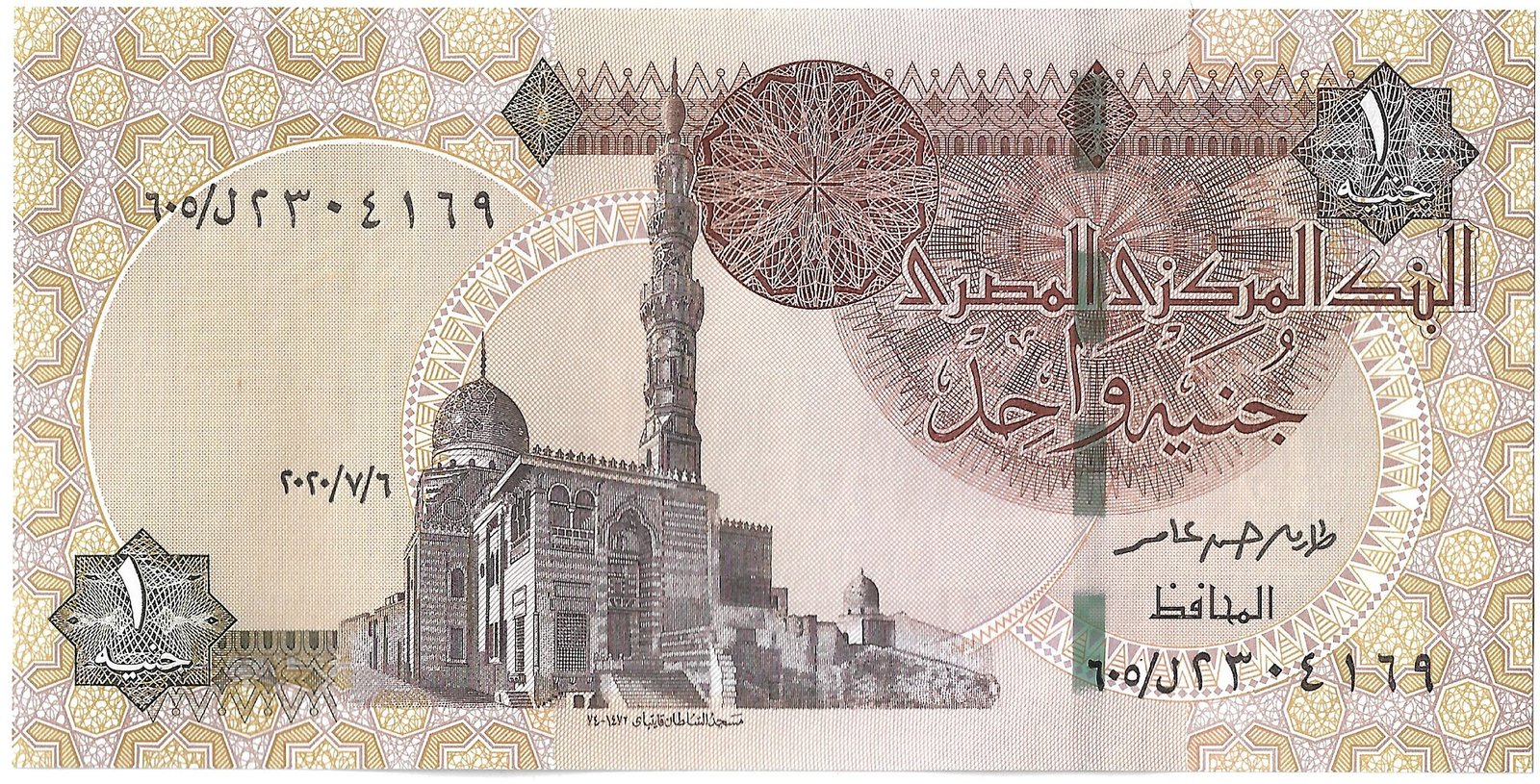
Exchange rates move. In late October 2026, US$1 was worth about EGP 56. Check the current rate before you travel.
Egyptian Money at a Glance
- Currency: the Egyptian pound (EGP), often written LE or E£. One pound has 100 piastres.
- Exchange rate: about EGP 56 to US$1 in October 2026.
- Cards: Visa and Mastercard are widely accepted in hotels, larger restaurants, shops and many ticket offices.
- Cash: still essential for tips, taxis, markets and small cafés.
- ATMs: easy to find in cities and tourist towns.
Egyptian Banknotes and Coins
Banknotes come in 5, 10, 20, 50, 100 and 200 pounds. Newer 10- and 20-pound notes are made of polymer (plastic) and circulate alongside older paper notes. Coins of 50 piastres and 1 pound are common for very small amounts.
Small notes are valuable in Egypt. Many taxi drivers, toilet attendants and small shops cannot change a 200-pound note, and tipping with large notes is awkward. Whenever you can, break large notes in supermarkets, hotels and restaurants, and keep a stock of 10, 20 and 50-pound notes.
The Exchange Rate and Prices
The Egyptian pound has lost much of its value against the dollar and euro since 2022, after several devaluations and the float of the currency in 2024. For visitors, that makes everyday costs such as food, local transport and taxis cheap. However, many tourist services, including hotels, Nile cruises and tours, are priced in US dollars or euros, while entry tickets to monuments are priced in Egyptian pounds and have increased.
Getting Cash: ATMs
ATMs are the easiest way to get Egyptian pounds. You will find them at airports, in hotel lobbies, shopping centres and on main streets in Cairo, Luxor, Aswan, Hurghada and Sharm El Sheikh. Tips:
- Use ATMs attached to bank branches or inside hotels and malls, which are safer and less likely to be tampered with.
- Choose to be charged in Egyptian pounds, not your home currency, to avoid poor conversion rates.
- Check your bank’s foreign transaction and ATM fees before you travel.
- Withdrawal limits per transaction vary by bank and card, so you may need to withdraw more than once.
- ATMs are scarce in the Western Desert oases and on some Nile cruise stops, so withdraw enough before you go.
Exchanging Money
You can exchange US dollars, euros and pounds sterling at banks, official exchange offices (forex bureaus) and the airport. Bring clean, undamaged notes, as torn or marked notes may be refused. Only use banks and licensed exchange offices; changing money with individuals on the street is illegal and risky.
Using Credit and Debit Cards
Cards are accepted in most hotels, Nile cruise ships, mid-range and upscale restaurants, supermarkets and shopping centres. Many major monuments and museums also accept card payments at the ticket office, and some prefer them, so always carry a card when sightseeing. Contactless payments and mobile wallets work in many places in Cairo.
Cards are less useful in local cafés, bazaars, small shops, felucca rides and taxis. Tell your bank you are travelling to Egypt to avoid blocks, and carry a second card as a backup.
How Much Cash Should You Carry?
On a typical guided trip where your hotel, cruise and tours are prepaid, the equivalent of about US$30–50 per person per day in Egyptian pounds is usually enough for tips, snacks, drinks, toilets and small purchases. If you are travelling independently and paying for transport and meals as you go, plan for more. Keep cash in two places, and use a money belt or zipped inside pocket in crowded areas.
Paying in US Dollars or Euros
Tour operators, cruise ships and some hotels quote and accept US dollars or euros. For larger tips, such as guides and cruise crew, foreign banknotes are welcome. For everything else, paying in Egyptian pounds is cheaper and simpler, because prices converted on the spot are rarely in your favour. Never use foreign coins, which cannot be exchanged.
Tipping and Small Payments
Tipping is part of daily life in Egypt, and it is where small notes matter most. Our tipping in Egypt guide lists typical amounts for guides, drivers, cruise crew and hotel staff.
Bargaining
In bazaars such as Khan el-Khalili and the souks of Luxor and Aswan, prices are rarely fixed. Bargaining is expected and can be friendly. Decide what an item is worth to you, start well below the first price and walk away politely if you cannot agree. Supermarkets, pharmacies and shops with price tags have fixed prices. See our guide to shopping for souvenirs in Egypt.
Avoiding Money Problems
- Always agree the price, the currency and what is included before a ride or service begins.
- Check your change, especially between similar-looking notes.
- Be careful with “pound or dollar?” confusion: some sellers quote a price in pounds and later claim they meant dollars.
- Do not let anyone help you at an ATM.
- Keep receipts for larger purchases.
For more on avoiding tricks aimed at tourists, read our guide to common scams in Egypt, and for a full budget see our Egypt trip cost guide.
Customs Rules for Cash
There are limits on how much Egyptian and foreign currency you can bring into or take out of Egypt without declaring it, and they change from time to time. If you plan to carry a large amount of cash, check the current rules with Egyptian customs or your embassy before you travel.
Prices: What Things Cost
To help you judge prices, here are rough everyday costs in late 2026:
- A bottle of water from a shop: EGP 10–20.
- A plate of koshari or falafel sandwich: EGP 20–80.
- A coffee in a café: EGP 40–120.
- A short Uber ride in Cairo: EGP 60–200.
- A main course in a mid-range restaurant: EGP 250–600.
- A local beer in a licensed bar: EGP 150–300.
Prices in tourist areas, hotels and at monuments are higher.
Paying at Monuments and Museums
Entry tickets are priced in Egyptian pounds. At major sites such as the Giza Pyramids, the Grand Egyptian Museum, Karnak and the Valley of the Kings, card payment is common at the ticket office, and some sites prefer it. At smaller sites, be prepared to pay in cash. Student discounts require a valid ISIC card.
Travel Money Checklist
- Two bank cards from different banks, plus a small amount of US dollars or euros for emergencies.
- Your bank informed of your travel dates.
- Egyptian pounds withdrawn on arrival at the airport ATM.
- A stock of small notes for tips and taxis.
- A money belt or zipped pocket for cash in crowded areas.
- Envelopes for tips for guides, drivers and the cruise crew.
Frequently Asked Questions
What currency is used in Egypt?
The Egyptian pound (EGP), also written LE or E£. In October 2026, US$1 was worth about EGP 56.
Can I use US dollars in Egypt?
For tours, cruises, some hotels and larger tips, yes. For everyday purchases, taxis and small tips, Egyptian pounds are better and usually cheaper.
Are credit cards accepted in Egypt?
Yes, in most hotels, cruise ships, larger restaurants, shops and many monument ticket offices. Carry cash for markets, taxis, tips and small cafés.
Is it better to exchange money before going to Egypt?
Usually not. You will normally get a better rate by withdrawing Egyptian pounds from an ATM or exchanging at a bank or licensed exchange office after you arrive.
How much cash do I need per day in Egypt?
On a prepaid guided trip, about US$30–50 per person per day in Egyptian pounds covers tips, drinks and small purchases.